
Last updated November 25, 2026
 Sweep & inspection
 Caps & crowns
 Flue relining
 Masonry repair
 Gas fireplace service
Level 1 sweep and inspection to the NFPA 211 annual standard - flue, crown, cap, and flashing checked and photographed
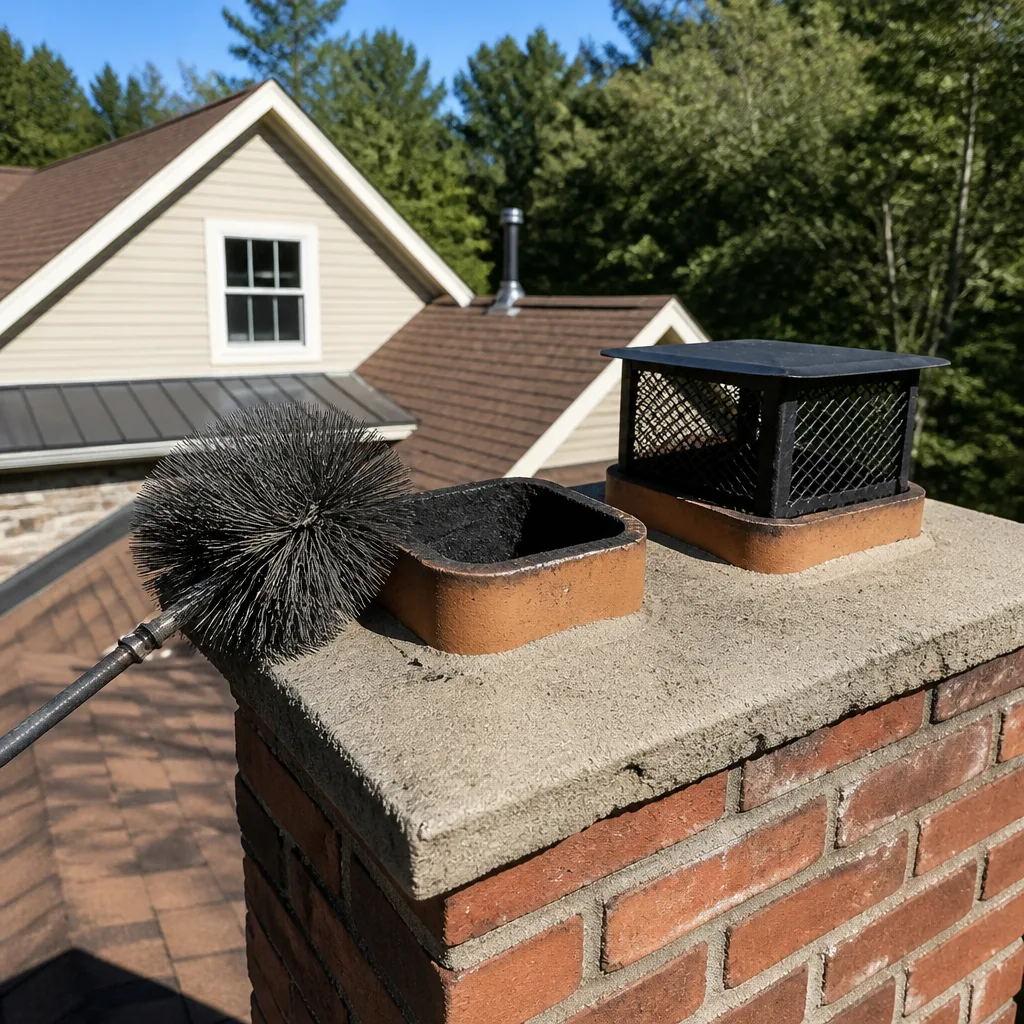
Chimney sweep logs do not sweep chimneys. They loosen some creosote - which then falls where a brush and vacuum still have to collect it.
Chimney Cleaning Warning Signs: A Cypress Homeowner’s Reference Guide
Most people assume a chimney problem announces itself with smoke, and if there’s no smoke there’s no problem. Here’s the trouble with that assumption. By the time a chimney produces visible smoke in the room, it’s already failing at the one job it exists to do, and it may have been declining quietly for a couple of seasons before you noticed. The real warning signs are subtler and they show up in places you don’t usually look: the brick face a few feet from the roof, the floor of the firebox after a rain, the color of a flame. This guide walks through the signals a Cypress homeowner can actually see and smell, maps each one to the system component behind it, and gives you a severity framework so you know what can wait and what can’t.
Quick Answer
The most important chimney warning signs are efflorescence (white staining), spalling brick, cracked crowns or caps, smoke rolling back into the room, strong odors on warm days, and dark staining on the flue or firebox. Those point to water intrusion, blockages, or creosote buildup, and if you see smoke rollout, a strong tar smell, or stained creosote on the flue, stop using the fireplace until it has been inspected.
Styles & brands we work with
- Sweep & inspection
- Caps & crowns
- Flue relining
- Masonry repair
- Gas fireplace service
Table of Contents
- Exterior Warning Signs: What the Brick and Crown Are Telling You
- Interior Warning Signs: Smoke, Staining, and Firebox Clues
- The Smell Taxonomy: Campfire, Tar, and Musty
- Draft Failure: Cold Flue vs. Blockage
- Gas Fireplace Warning Signs in Cypress Homes
- Severity Framework: Schedule Soon vs. Do Not Use
- Cypress Seasons and How They Affect Your Chimney
- Common Mistakes to Avoid
Exterior Warning Signs: What the Brick and Crown Are Telling You
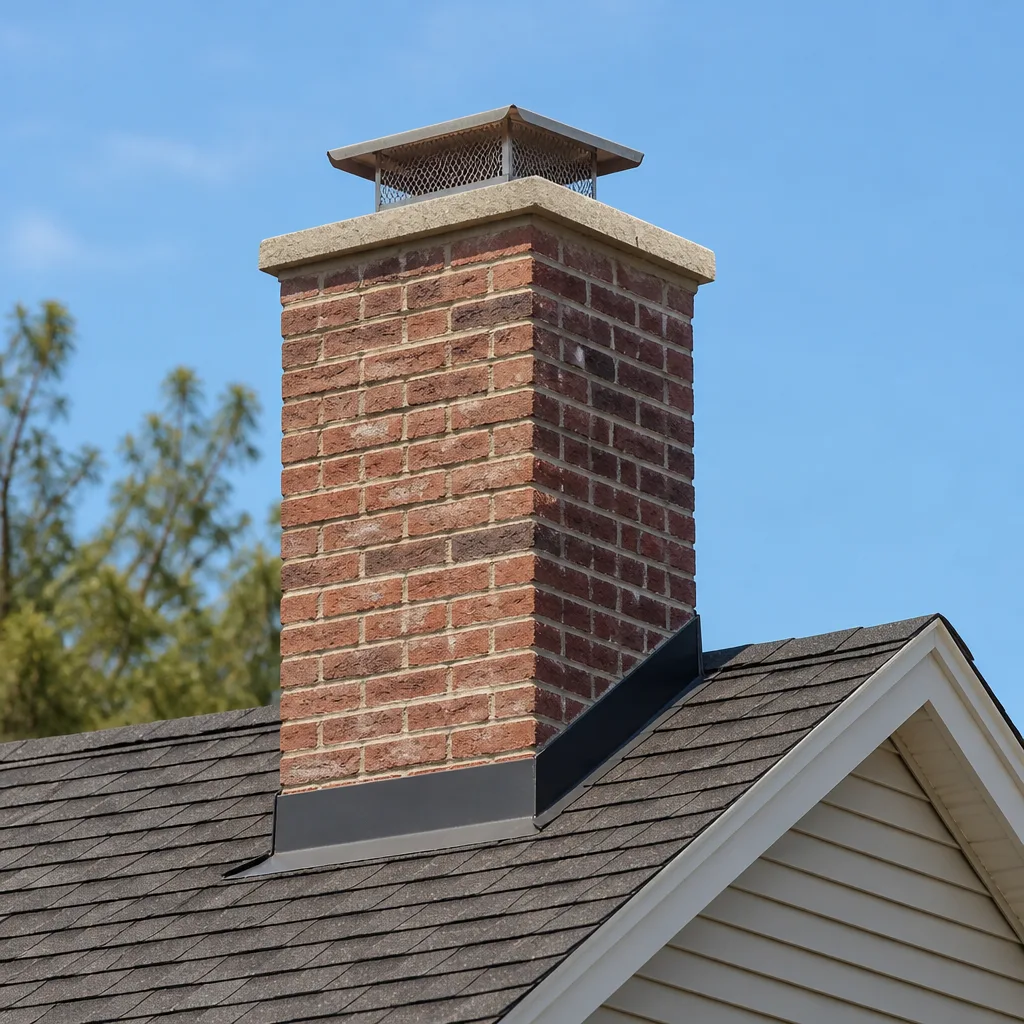
A white stain on your chimney’s exterior isn’t a cosmetic flaw. It’s efflorescence, and it means water is already moving through your masonry from the inside out. Water dissolves salts held in the brick and mortar, carries them to the surface, and leaves them behind as a powdery white deposit when it evaporates. You can brush it off, but it comes back, because the source is moisture inside the structure, not the surface.
Efflorescence is the earliest visible exterior sign that water is entering your chimney system. It usually starts with a failure at the top of the system, where rain is most likely to get in: the crown, the cap, or the masonry shoulders that shed water off the flue. From there the moisture travels downward into the brick and mortar over months, softening both. In our experience the fix is rarely cosmetic. We trace where the water is actually getting in and repair the entry point.
The exterior signs worth taking seriously, roughly ordered from early to late:
- Efflorescence (white powdery staining): moisture moving through the masonry, usually from a failing crown or cap.
- Spalling brick (flaking, crumbling faces): water trapped inside the brick freezing and expanding, or long-term saturation weakening the brick body.
- Cracked crown: the concrete top of the chimney has cracked, letting water direct into the flue and masonry below.
- Missing or damaged cap: the top of the flue is open to rain, birds, and debris.
- Rust streaks: the cap, spark arrestor, or damper hardware has started to corrode.
- Leaning or tilting: masonry failing structurally, which is a do-not-use scenario.
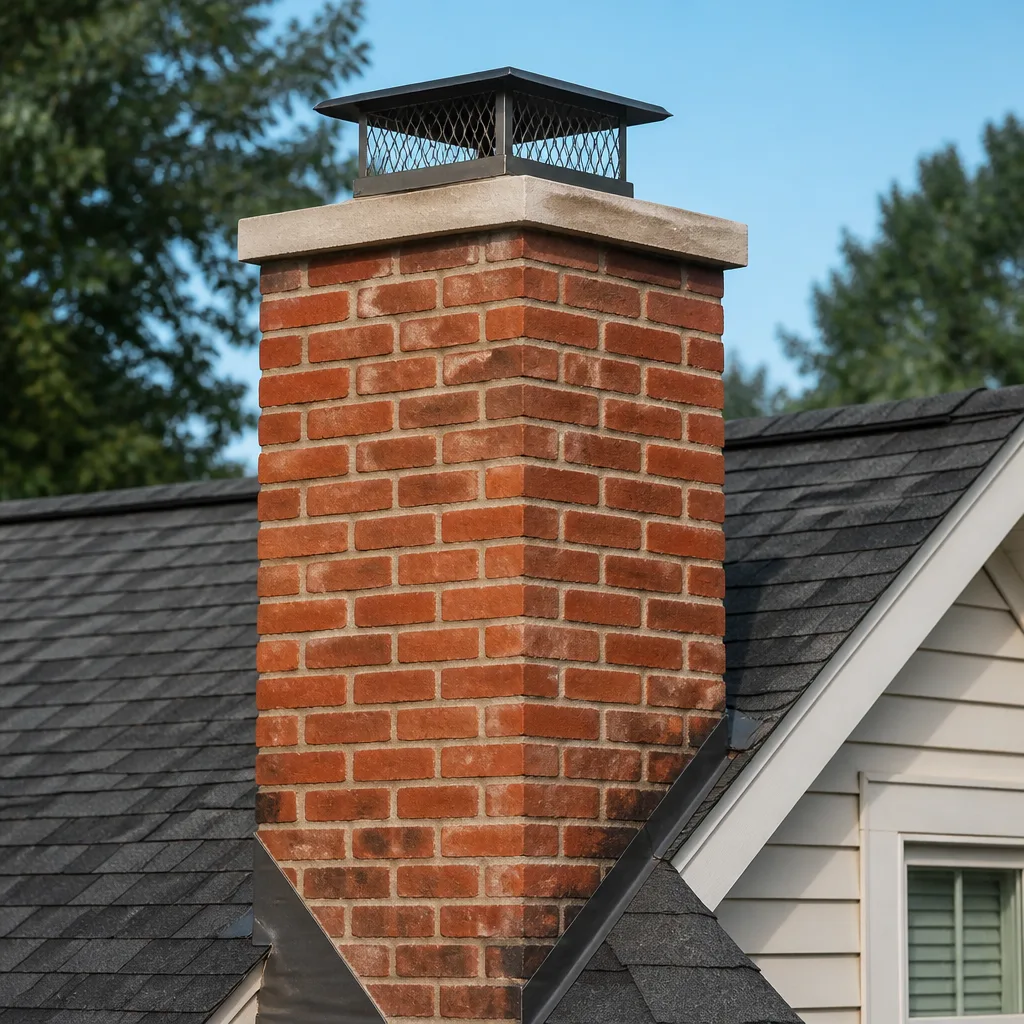
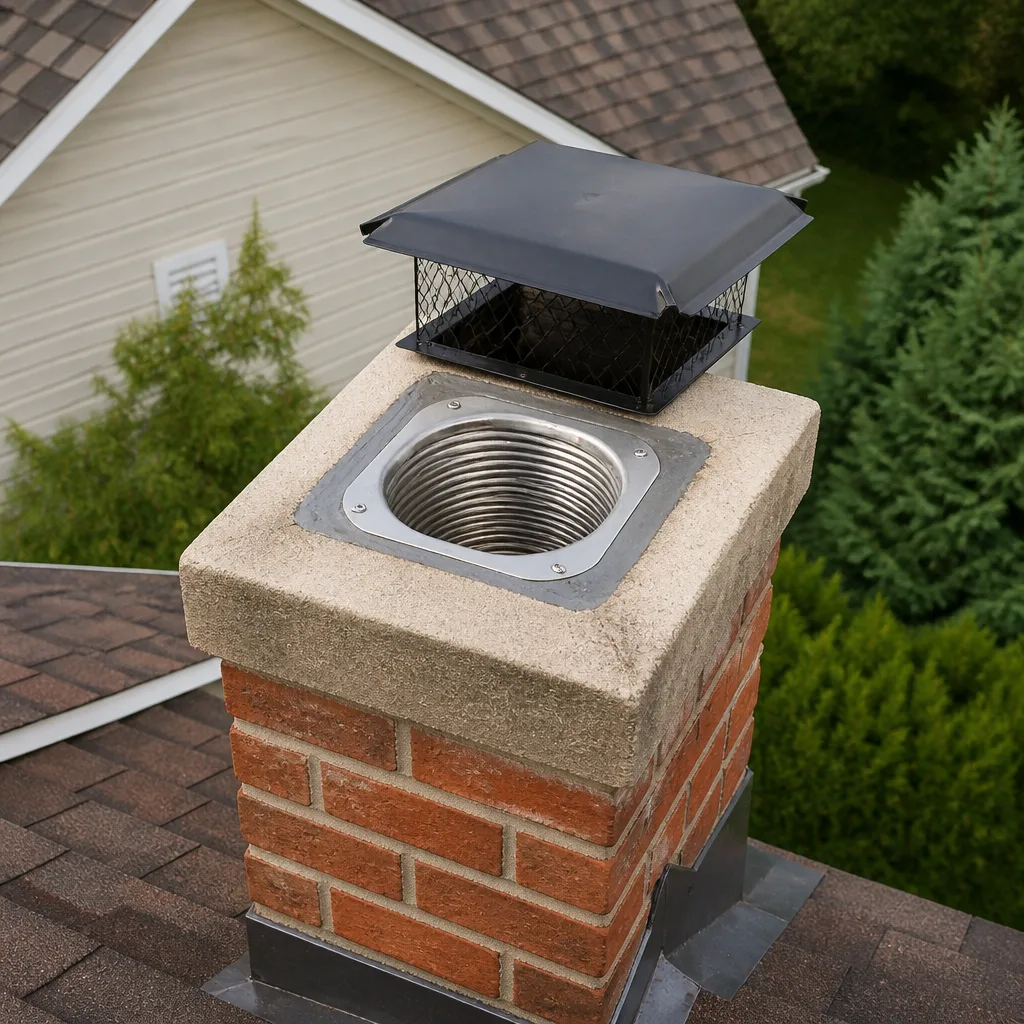
The crown and cap are the two components worth checking every season from the ground with binoculars, because they are the entry points for most of what goes wrong below them. A crown that has cracked is a funnel. A cap that’s missing or rusted through is an open door. Because these are purpose-built parts, not generic building-supply substitutes, we install replacement crowns and caps from manufacturers like Famco and Copperfield. It matters more than it sounds like it does. A cap that fits and drains properly lasts; a mismatched one doesn’t.
If you see any of the exterior signs, we’d recommend getting a chimney repair evaluation before the next burning season. Efflorescence on its own is not an emergency. A cracked crown with a swelling white stain behind it usually is.
Interior Warning Signs: Smoke, Staining, and Firebox Clues
Inside the home, the warning signs are easier to miss because they hide in the parts of the system you don’t look at. Smoke rolling back into the room is the obvious one. But so is a dark, oily stain at the top of the firebox, a blackened smoke shelf behind the damper, a stain on the damper hardware, or a creosote glaze on the inside of the flue. Each one points to a different component.
Smoke rollout – smoke that spills into the room instead of going up the flue – is the most urgent interior sign. It can be caused by a partial blockage (a bird’s nest, a fallen cap, a degraded liner), an insufficient flue size, or negative pressure in the house. None of those are safe to burn through. If smoke fills the room every time you light a fire, stop, and get the system inspected before you light again.
The interior signs and what each implicates:
- Smoke rollout on every fire: blockage, undersized flue, or pressure problem. Do not burn until inspected.
- Dark staining at the top of the firebox: smoke has been lingering; the draw is compromised, or the damper isn’t opening fully.
- Creosote glaze on flue walls: a dangerous amount of flammable buildup; the chimney needs sweeping.
- Burned or warped damper: damper is stuck or rusted; needs repair before the next fire.
- Black soot on the hearth or face: draft reversal, usually a sign of pressure or blockage.
- Water staining on the interior of the firebox after rain: a missing or failed crown or cap, confirmed from the inside.
- Loose or crumbling firebox masonry: structural failure of the firebox, which needs fireplace repair.
In Cypress homes, the firebox is often the first thing to age out because the fireplace is used more than the homeowner realizes. Short evening fires several times a week add up to a lot of heat cycling on the firebox brick. The stains and cracks show up before the smoke rollout does. We look at the firebox brick, the smoke shelf, and the damper as a unit, because a failure in any one of the three affects the others.
The Smell Taxonomy: Campfire, Tar, and Musty
One of the more useful things a homeowner can learn is that not all chimney smells mean the same thing. A campfire smell, a tar smell, and a musty smell each point to a completely different problem, and the fix for one won’t help the other two.
Campfire smell (the lingering smoke scent on warm days): this is the most common complaint and usually the least serious. It happens when the chimney is cold, outside air is warmer than the flue air, and the pressure differential pulls air (and the smoke scent trapped in the flue) back down into the house. The fix is often a call to prime the flue with a piece of lit newspaper before starting the fire, plus a sweep if the flue hasn’t been cleaned this season. If the smell persists after a sweep, the smoke chamber may be holding debris.
Tar smell (heavy, sharp, almost chemical): this points to creosote. Creosote is a byproduct of combustion, and the sharp, resinous smell of it getting warm on a cool day is a signal that the flue is loaded. A tar smell after a fire has burned is the sign of a lingering, oily deposit. That’s a chimney that needs sweeping, and if the deposit has glazed (hardened into a shiny, tar-like layer), it’s a fire risk until it’s removed. This is a chimney sweep situation, not something to burn through.
Musty smell (damp, earthy, mildew): this points to water, not smoke. It usually comes from a failed crown, cap, or flashing letting moisture into the masonry and the smoke chamber. The smell is the symptom; the leak is the cause. Repairing the leak first is what actually stops the smell.
A quick way to sort out which problem you have:
- Smells like smoke, strongest on warm days: cold flue, check for priming and sweep timing.
- Smells like tar or asphalt, especially right after a fire: creosote buildup, sweep now.
- Smells musty or damp, strongest after rain: water intrusion, repair the crown, cap, or flashing.
Being able to tell us “it smells musty after rain, not smoky” saves a diagnostic step and usually points the visit in the right direction before we arrive.
Draft Failure: Cold Flue vs. Blockage
When smoke won’t go up, the instinct is to assume a blockage. Sometimes that’s right. More often in Cypress it’s a cold flue that hasn’t been primed, and the fix is a few minutes of warm-up. But the difference between the two is not always obvious from the fireplace, so it’s worth learning how to tell them apart.
A cold flue is a flue that’s holding a column of cold, dense air heavier than the warmer air in the room. When you light a fire, that cold air has to be displaced upward before the smoke can follow it. Until that happens, the smoke has nowhere to go but into the room. Priming the flue – warming it with a rolled-up piece of lit newspaper held near the damper for a minute before building the real fire – pushes the cold air out and starts the draft. If the fire draws fine once the flue is primed and burns cleanly for the rest of the evening, your chimney is doing its job and the problem was the cold start.
A blockage is a physical obstruction somewhere in the flue: a bird’s nest, a collapsed cap section, a damaged liner, or a heavy creosote deposit. The behavior is different. The fire smokes continuously, not just for the first minute. Smoke pushes back into the room throughout the burn. You may smell smoke on the second floor. The damper may not open fully. In that case, no amount of priming will fix it, and you should not keep burning.
Tell them apart with this checklist:
- Does the smoke clear after the first minute or two? Cold flue, prime and continue.
- Does the smoke back up throughout the burn? Blockage, stop and get it inspected.
- Does it draft on some days and not others? Pressure-related or weather-dependent, worth an inspection.
- Does the smoke smell on the second floor or in an adjacent room? Blockage or a liner problem, gets checked.
- Is the damper opening fully? A stuck damper can mimic a blockage.
- Has the flue been swept this season? If not, sweeping is the first step, not priming.
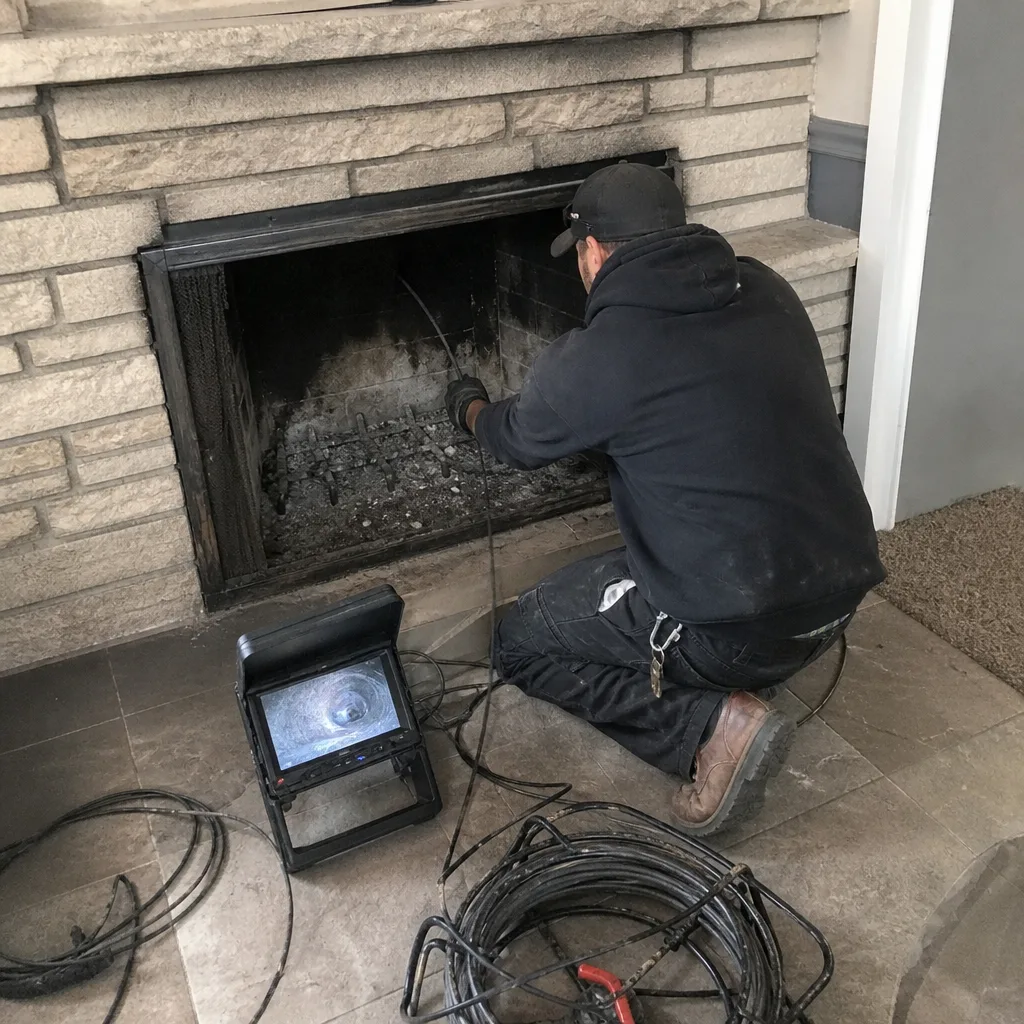
When we’re called for a draft complaint in Cypress, the visit includes a camera inspection of the flue. We can see the interior of the flue and show you what’s there, so the diagnosis is based on what the camera sees, not a guess. If it’s a cold flue, we tell you that and you don’t need any further work. If it’s a blockage, we clear it and sweep at the same visit. If it’s a failed liner, we can repair or resurface it because the same team does the inspection and the repair.
Gas Fireplace Warning Signs in Cypress Homes
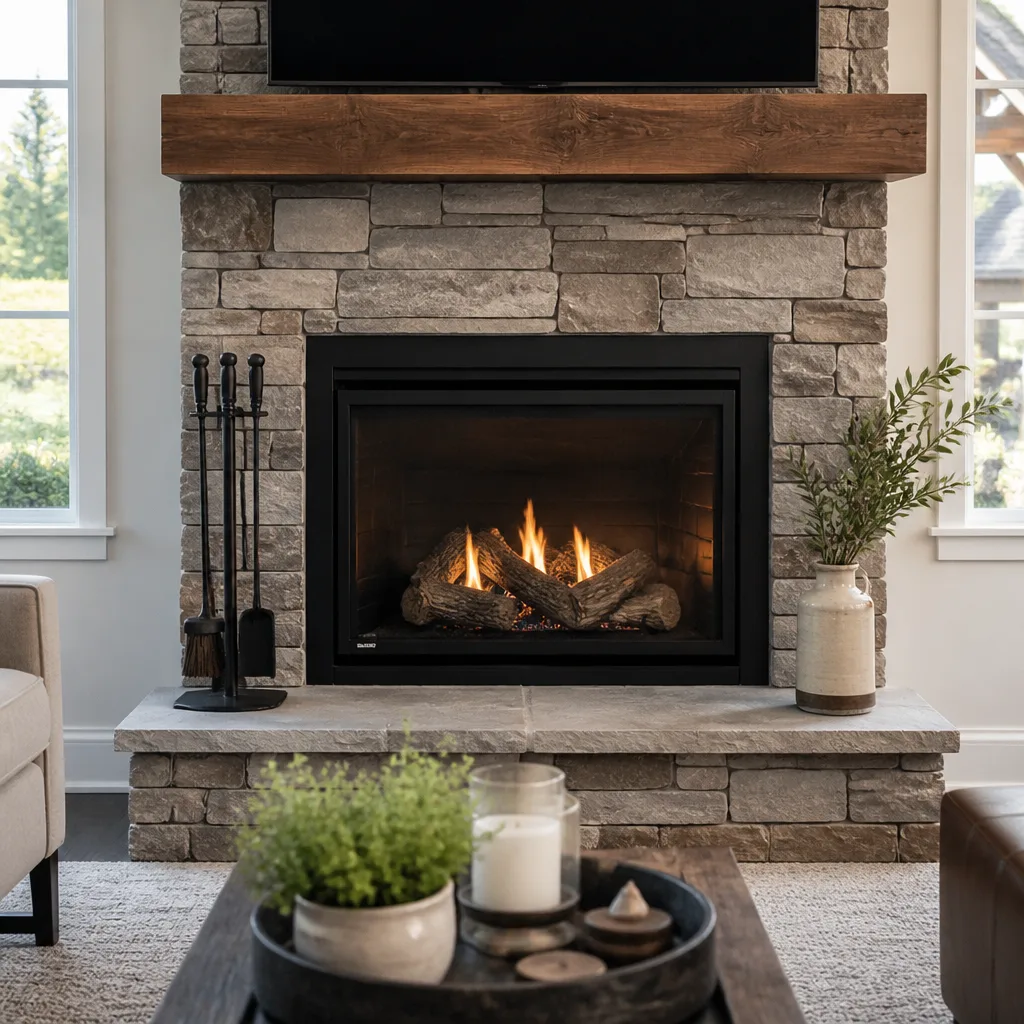
Gas fireplaces have their own warning signs, and they don’t overlap with wood-burning ones as much as homeowners expect. The key diagnostic indicators are the pilot, the flame color, and the glass. Every one of them is something you can see from the room without opening anything up.
Pilot issues. A pilot that won’t stay lit, that goes out shortly after ignition, or that lights with a delayed “whoomp” is a warning sign. It can mean a thermocouple problem, a gas pressure issue, or a blocked vent. A pilot that struggles repeatedly is worth getting looked at before it leaves you mid-winter without heat.
Yellow flame color. A healthy gas flame burns mostly blue. Yellow or orange flame tips can mean incomplete combustion, dust in the burner, or a venting problem. A flame that stays yellow for more than a few minutes after ignition, or that produces soot at the top of the firebox, needs attention. This one matters for safety because incomplete combustion produces carbon monoxide. If your gas fireplace has a yellow flame and you also have a carbon monoxide alarm, put fresh batteries in it and get the fireplace checked.
Soot on the glass. A little soot on the glass is normal. Soot that builds thickly, especially on the inside of the glass and the log set, points to incomplete combustion or a burner that needs cleaning or adjustment. Soot on the glass is one of the clearest signals that the gas burner is running rich.
Signs worth calling on for gas fireplaces:
- Pilot lights but won’t stay lit, or goes out shortly after ignition.
- Yellow or orange flame that persists beyond the first few minutes.
- Soot building on the glass, the logs, or the firebox interior.
- Faint gas smell near the fireplace (leave the home and call your gas provider).
- Vent termination that looks blocked from the outside.
Gas fireplaces still need the venting system checked, even though they don’t produce creosote. The vent can be blocked by a bird’s nest or a failed cap just like a wood-burning flue can. When we inspect gas fireplaces in Cypress, we look at the vent termination, the flue, and the firebox as one system. If the cap has failed or the vent is blocked, we can fix it and, when it’s a cap issue, replace it with hardware from a manufacturer like Copperfield.
Severity Framework: Schedule Soon vs. Do Not Use
The most useful thing a homeowner can take from this guide is a severity framework. Not everything on the list is a call-today issue. Not everything that looks alarming is dangerous. Here’s how we sort what we see in Cypress homes, based on what each sign actually means for the system.
Do not use until inspected:
- Smoke rolling back into the room on every fire (not just the first minute).
- Strong, sharp tar smell after a fire, especially if you can smell it in the room.
- Creosote glaze visible on the flue walls (shiny, tar-like layer).
- Burned or warped damper.
- Yellow flame on a gas fireplace that stays yellow beyond a few minutes.
- Faint gas smell near a gas fireplace.
- Leaning, tilting, or visibly failing chimney masonry.
- Firebox masonry that’s crumbling or coming loose.
Schedule soon (within a few weeks):
- Cracked crown or cap.
- Efflorescence returning after being brushed off.
- Missing, rusted, or damaged cap.
- Dark staining at the top of the firebox.
- Musty or damp smell after rain.
- Water staining inside the firebox.
- Pilot that struggles to stay lit.
- Soot building on the gas fireplace glass.
Schedule at the next seasonal sweep (not urgent):
- Light campfire smell on warm days, no other symptoms.
- Light, powdery soot in the firebox, normal for the amount of burning.
- Minor rust on the exterior of the cap (visual only, no functional failure).
- First-season reminder that the annual sweep is due.
The framework is a way to prioritize your call, not a replacement for a visual inspection of the flue. The only way to know the true condition of the interior of the flue is to look. The visit for an inspection includes a camera inspection and we show you what the camera sees, so the recommendation for scheduled work is based on what you can see for yourself, not a sales pitch. If everything is in good shape and nothing needs doing, we say so. That’s not a courtesy, it’s just an accurate read.
Cypress Seasons and How They Affect Your Chimney
Cypress has mild winters and wet winters, and both of those facts matter for your chimney. Mild winters mean the fireplace is often used at a lower burn rate and less regularly than in colder climates. That burn pattern produces a different creosote profile than a heavy-use chimney. Slower, cooler fires tend to deposit more creosote per cord of wood because the flue doesn’t get hot enough to burn it down between sessions. A Cypress fireplace used casually a few times a week produces more buildup per fire than the same fireplace in a colder climate used daily. That’s counterintuitive, but it’s the reality of a mild-winter burn pattern. If you burn “just a few logs on cool evenings,” you still need an annual sweep.
The wet part of the mild winter is where the exterior signs come from. Rain, wind, and the occasional storm load the crown, cap, and flashing more than the firebox. A cap that was marginal in September may not survive the wet weather. A crown that was cracked in October opens up under the rain. In Cypress, most of the water intrusion we see entering the chimney system enters at the crown, the cap, or the flashing at the roof intersection, and most of it shows up in the wet months. Winter is the season to check the exterior of the chimney, even if you’re not using the fireplace much.
The pre-season checklist for a Cypress home:
- Late summer or early fall: sweep and inspect before the first fire of the season.
- Before the first fire: prime the flue with a lit piece of newspaper and confirm the fire draws.
- After each rain: check the firebox for water staining or dampness.
- Mid-season: look at the crown, cap, and flashing from the ground with binoculars.
- End of the season: sweep if you burned heavily, or book for the next season.
- Gas fireplaces: check the flame color and glass at the start of the season.
Because Cypress winters are mild, the seasonal risk isn’t a freeze event. It’s moisture and creosote. Both show up over months, not weeks, which is why the annual sweep and inspection matter more than the panicked mid-season call.
Common Mistakes to Avoid
- Treating efflorescence as a cosmetic issue. The white stain on the brick is water moving through the masonry, and brushing it off when it comes back is a sign the leak is still active. The repair is at the entry point, usually the crown or cap.
- Priming a blocked flue and burning anyway. Priming fixes a cold flue, not a physical obstruction. If the smoke keeps rolling in after the first minute, the fireplace gets shut down until it’s inspected.
- Skipping the sweep because you burn “just a few logs.” In a mild Cypress winter, a low, casual burn rate actually deposits more creosote per fire than a hot daily burn. The fireplace needs the annual sweep whether you burned a cord or a dozen evenings.
- Replacing a failed cap with generic hardware. A cap is a purpose-built part. A cap from a manufacturer like DuraFlex or Olympia Chimney fits the flue and drains the way the manufacturer intended. A generic cover from a hardware store can trap moisture and cause the exact problem it was meant to stop.
- Ignoring the yellow flame on a gas fireplace. Blue flame is the target; yellow flame that persists is a signal of incomplete combustion, which is a carbon monoxide issue as much as a comfort issue. It should be checked, and the CO alarm should be live.
- Calling an inspection-only company for a real problem. An inspection that finds a failed liner but leaves you to find a repair crew just moves the problem to someone else. We do inspection and repair on the same visit, so the inspector and the fixer are the same team.
- Lining up multiple contractors on a repair. When the fix involves a HeatShield resurfacing job and a cap replacement, splitting the work between a masonry crew and a sweep means two opinions and no clear accountability. When one team handles the entire chimney, from firebox to cap, you get one answer.
See the difference
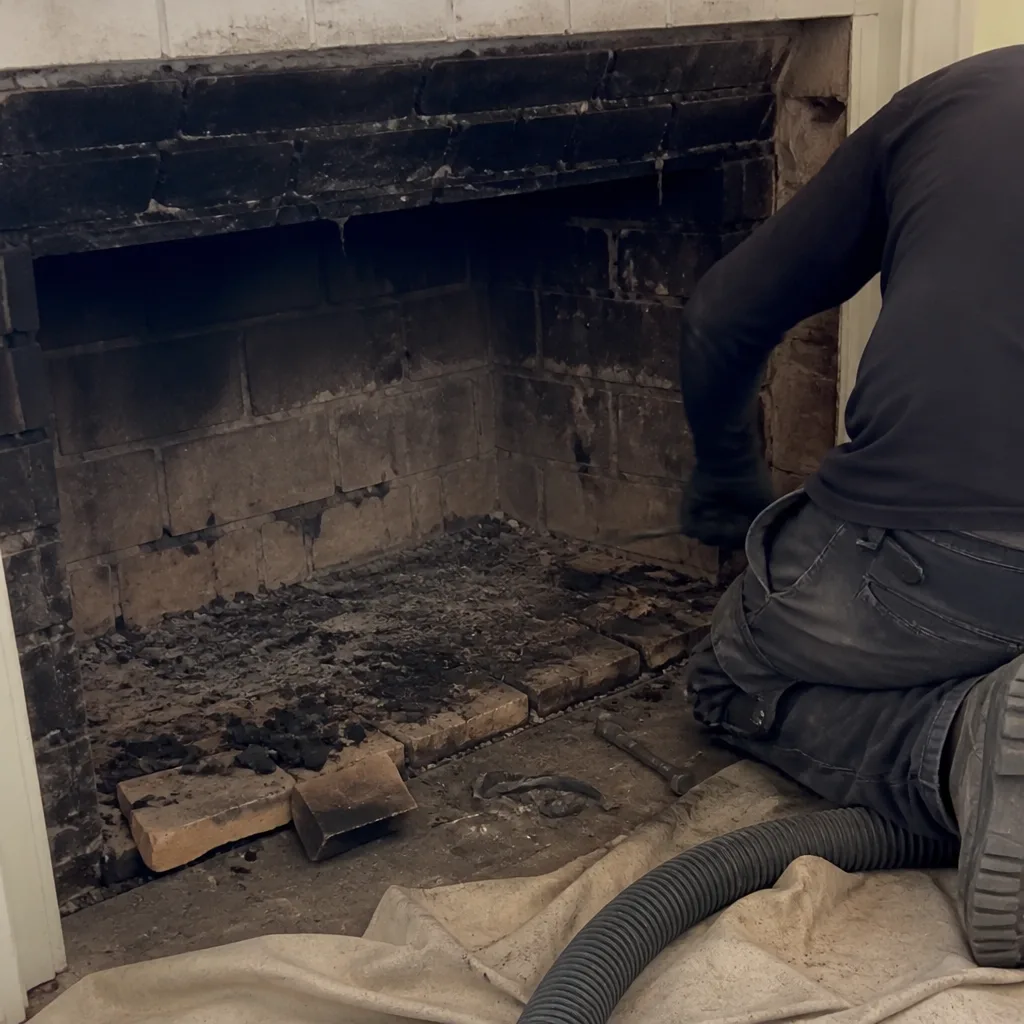 Before
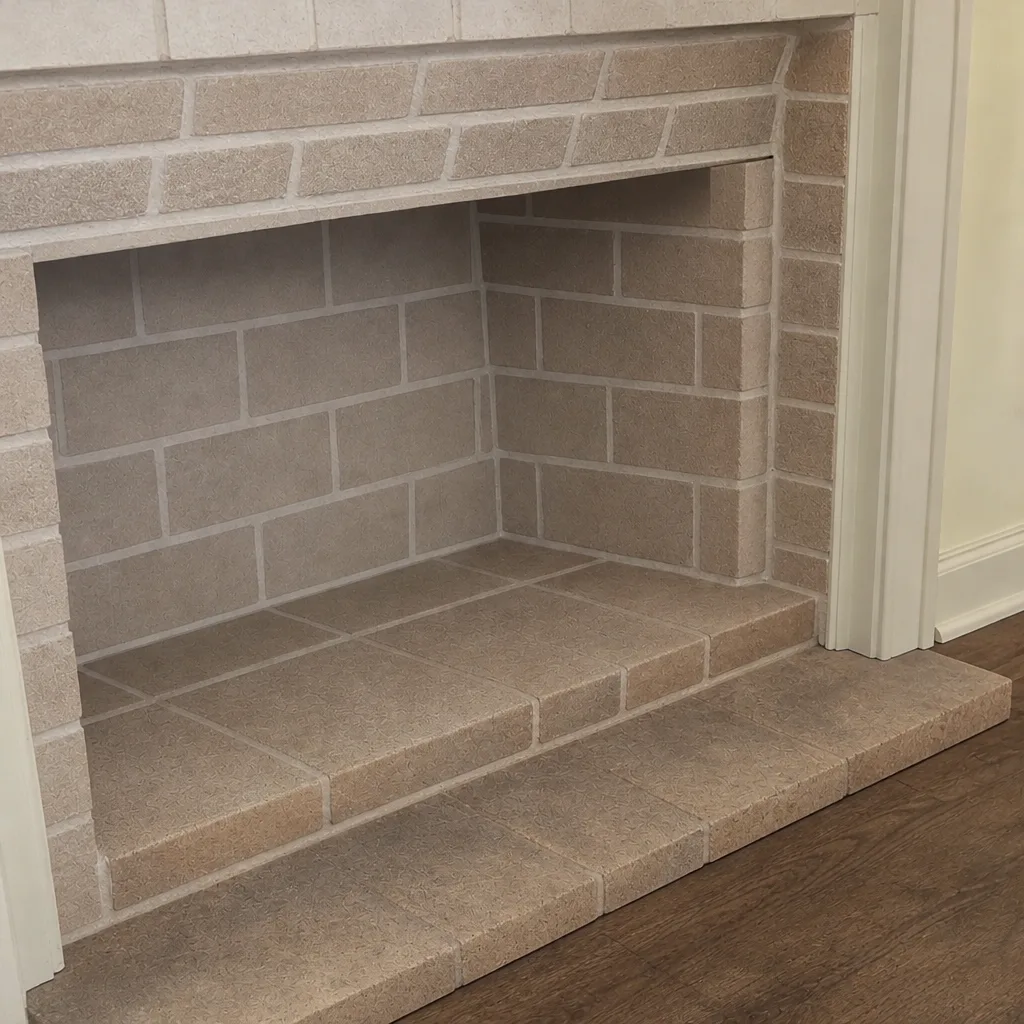 After
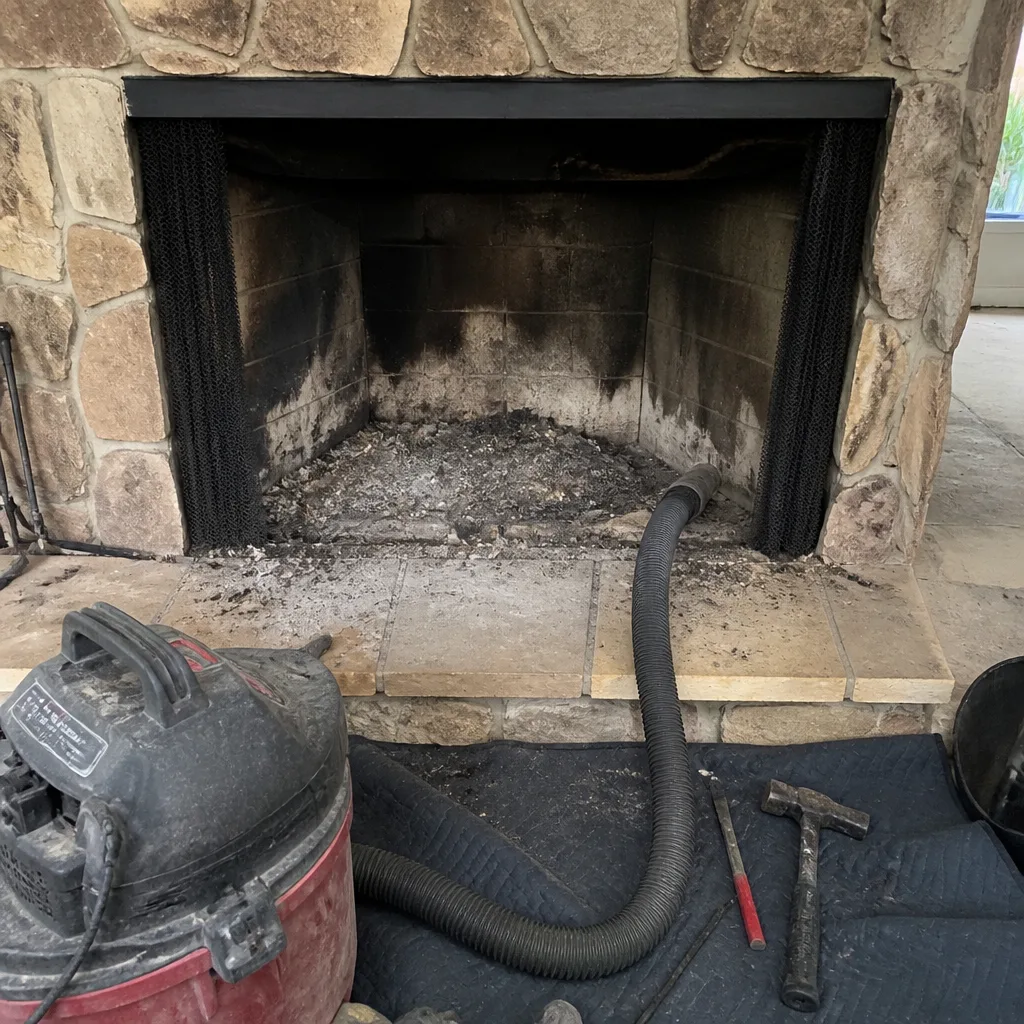 Before
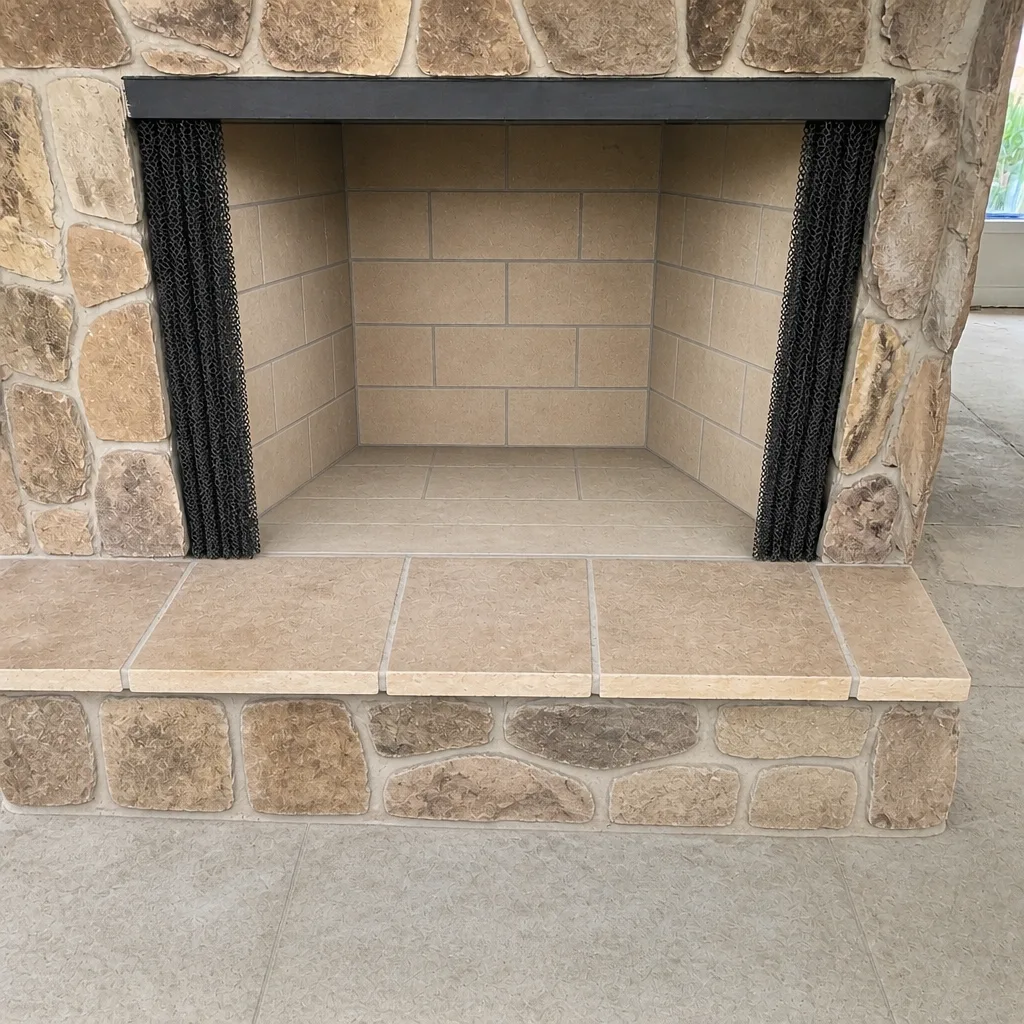 After
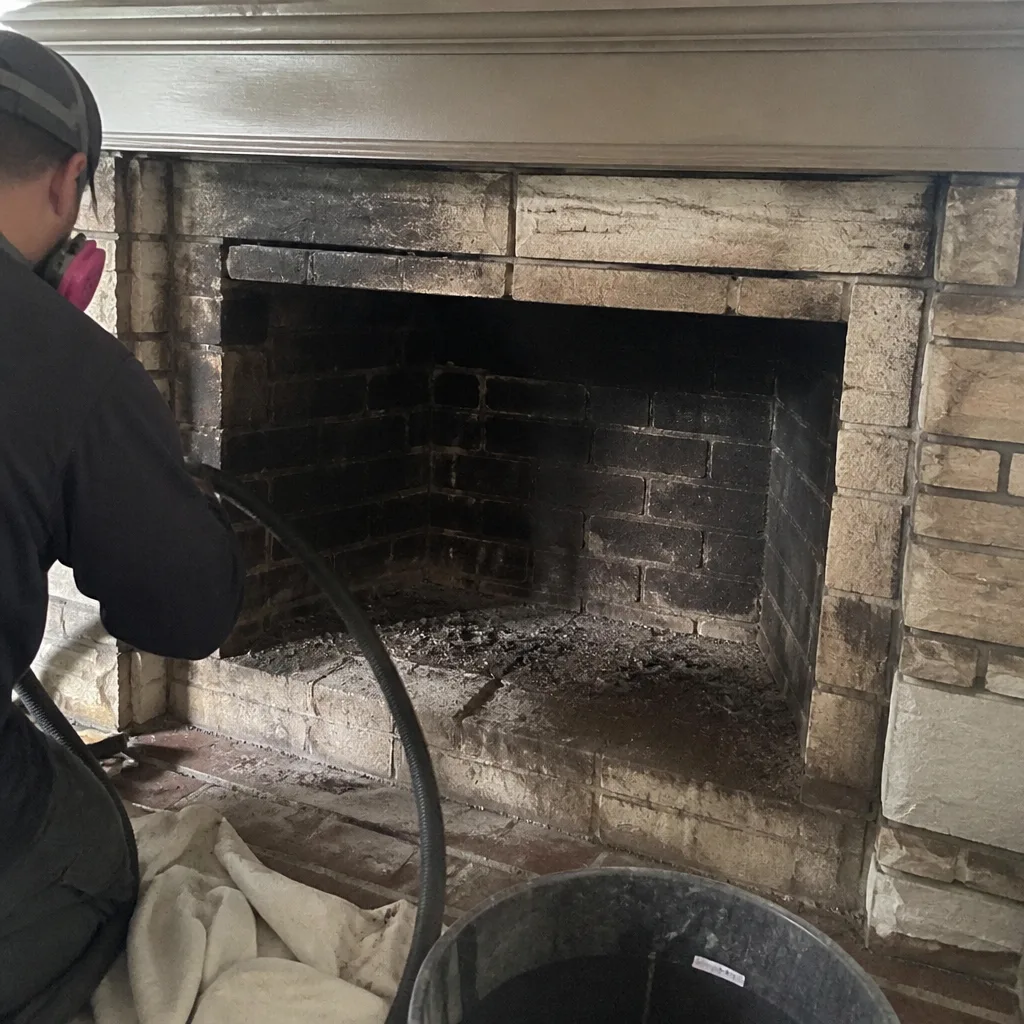 Before
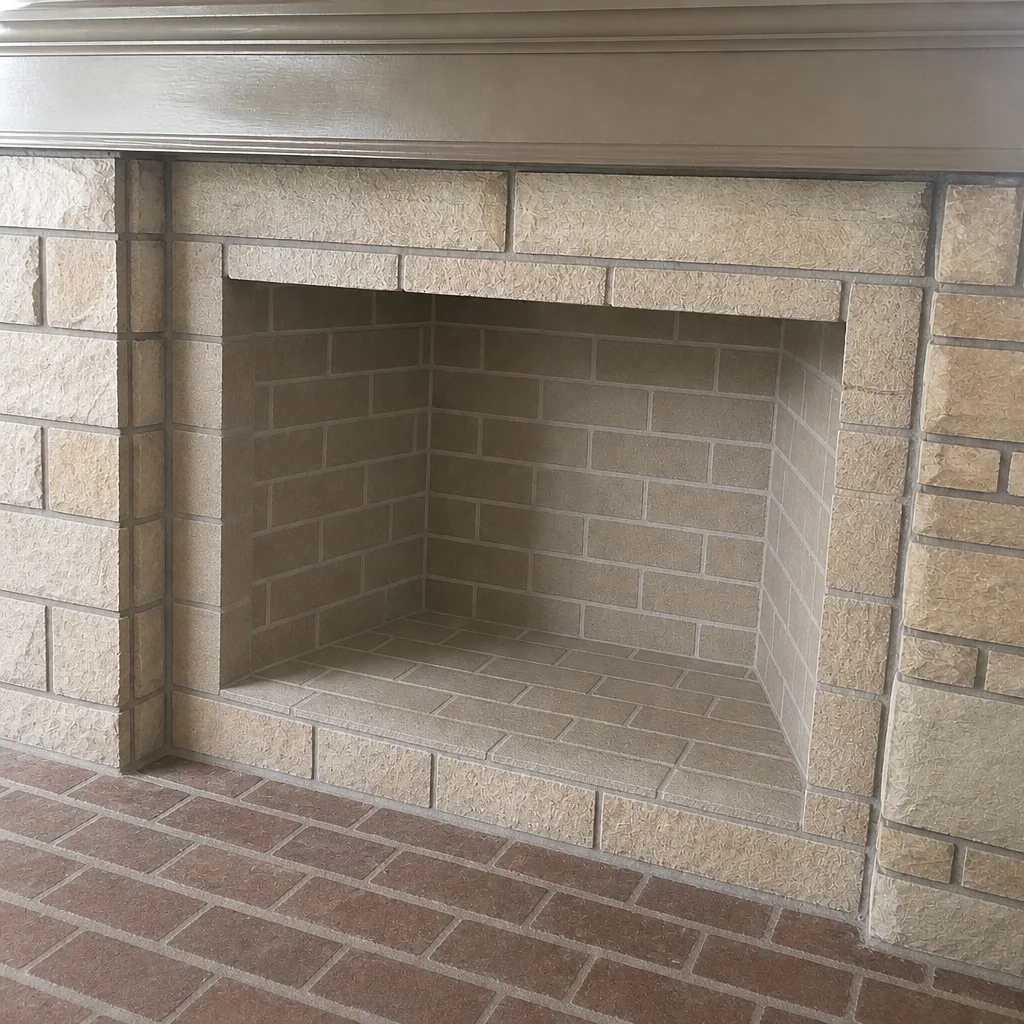 After
When to Call a Professional
The default advice is: call when you see a warning sign you can’t explain, and call for the annual sweep regardless. But some cases are more urgent than others. Call for a same-day assessment if smoke rolls back into the room throughout the burn, if you smell a strong tar or creosote odor in the room, if the damper is stuck or warped, or if a gas fireplace shows a persistent yellow flame or soot on the glass. Call for a scheduled appointment if you see efflorescence, a cracked crown, or a missing or rusted cap. And call for the annual sweep before the first fire of the season, even if nothing on the list has shown up yet. Cypress Chimney Sweep Pros offers free estimates in Cypress – call (877) 492-3411. We answer 24/7. Fast dispatch from 7am to 7pm, Sunday through Friday. Our technicians have up to 10 years of experience, and the visit includes a camera inspection so you can see what we see.
Frequently Asked Questions
The most common chimney cleaning warning signs are a lingering campfire smell on warm days, a light tar smell after a fire, dark staining at the top of the firebox, and a light creosote dusting on the flue walls. Any of those typically means it’s time for a sweep. Strong tar smell, visible creosote glaze, or smoke rollout during the burn means stop and get an inspection. Call (877) 492-3411 for an exact quote – estimates are free.
A Cypress chimney should be swept at least once a year, before the first fire of the season, and more often if you burn regularly or notice creosote buildup. In our experience with the local climate, the mild-winter burn pattern (low, cool, occasional fires) adds creosote per fire faster than hot daily burns, so annual sweeping matters even for casual users. Call (877) 492-3411 to book a sweep before the season – estimates are free.
Efflorescence itself is not an emergency, but it’s an early warning that water is moving through the masonry and should be repaired before it worsens. The cause is usually a failed crown, a failing cap, or the flashing at the roof intersection. Brushing it off rarely solves the issue, because the moisture source is still active. Call (877) 492-3411 to have the entry point evaluated and repaired – estimates are free.
Stop using the fireplace and get it inspected. If the smoke clears within the first minute or two after the fire is lit, the issue may be a cold flue that needs priming. If the smoke continues throughout the burn, or smells on the second floor, the issue is likely a blockage or a liner problem, and it should be resolved before you burn again. We can send a technician with a camera to see what’s happening inside the flue. Call (877) 492-3411 – estimates are free.
A yellow flame that persists beyond the first few minutes of ignition is a warning sign of incomplete combustion and should be checked promptly. A healthy gas flame burns mostly blue. Yellow flame tips can mean a burner that needs cleaning, a venting problem, or a gas pressure issue. Since incomplete combustion produces carbon monoxide, this is not a problem to leave until next season. Call (877) 492-3411 – estimates are free.
Homeowner brush kits are not a substitute for a professional sweep, because they don’t handle creosote glaze, they can damage a clay or metal liner, and they can’t inspect the flue they just brushed. The repair should be done by someone who can also see what’s behind the deposit, which is the case for a good portion of Cypress homes we visit. Call Cypress Chimney Sweep Pros at (877) 492-3411 – estimates are free.
The Bottom Line
The chimney tells you what’s wrong with it if you know how to listen. White staining means water. Spalling brick means freeze damage or saturation. A cracked crown or missing cap means the entry point is open. Smoke rollout means the flue is blocked, undersized, or failing. Tar smell means creosote. Musty smell means water. Yellow flame on a gas fireplace means incomplete combustion. Those signals are visible or smellable from inside and outside the home, and each one points to a specific fix. The annual sweep is the baseline; the signs above tell you when to call before the annual appointment. From the firebox to the cap, our team at Cypress Chimney Sweep Pros handles the entire chimney system. We find the problem, and we fix it.
Call (877) 492-3411 for a free estimate. We answer 24/7. Fast dispatch from 7am to 7pm, Sunday through Friday. Whether you’re in Cypress and need a chimney sweep or a repair that an inspection company would have referred elsewhere, our team can inspect, sweep, and repair the same visit. Cypress homeowners get one point of contact for the entire chimney system: firebox, fireplace, flue, liner, crown, and cap. From the firebox to the chimney cap, we handle it. We use professional-grade materials from brands like DuraFlex, HeatShield, Gelco, Famco, Copperfield, and Olympia Chimney, because the quality of the parts determines the quality of the result.
Written by the team at Cypress Chimney Sweep Pros.