
Last updated November 25, 2026
 Sweep & inspection
 Caps & crowns
 Flue relining
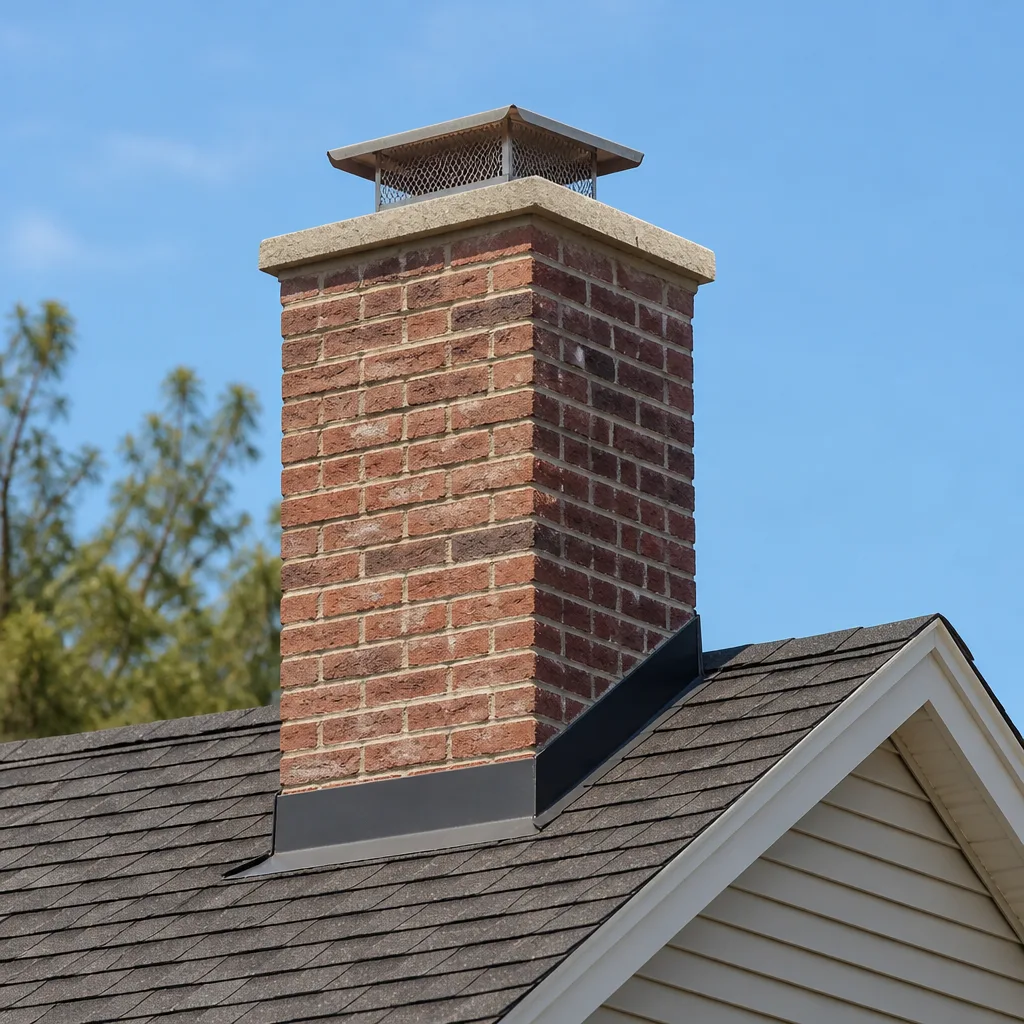 Masonry repair
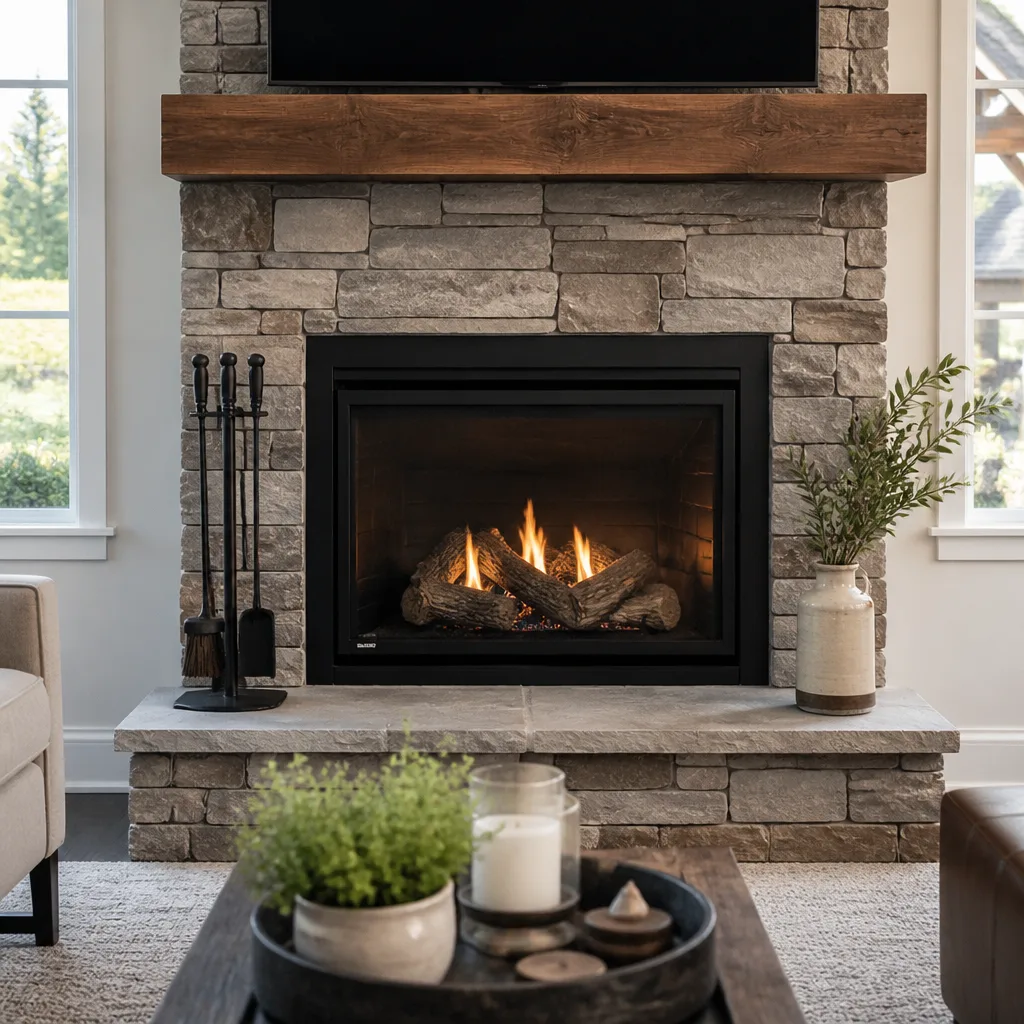 Gas fireplace service
Level 1 sweep and inspection to the NFPA 211 annual standard - flue, crown, cap, and flashing checked and photographed
Chimney sweep logs do not sweep chimneys. They loosen some creosote - which then falls where a brush and vacuum still have to collect it.
The Complete Guide to Chimney Cleaning in Cypress
Most Cypress homeowners assume a chimney sweep is a chimney sweep, until they learn that “cleaned” and “safe to burn” aren’t the same certification. A brush run up a flue tells you the flue is less dirty than it was. It says nothing about the smoke chamber above the damper, the crown on the roof, or whether a hairline crack in the liner has been quietly widening since the last fire. Southern California’s mild winters make this gap wider, not narrower, because a fireplace that sits unused for nine months builds a different kind of trouble than one that burns all season. This guide walks through the whole system, from the firebox up, so you know exactly what you’re paying for when you book a cleaning in Cypress.
Quick Answer
A complete chimney cleaning in Cypress is a full-system service: sweeping the flue, brushing the firebox and smoke chamber, checking the damper, inspecting the crown and cap, and confirming the liner is intact, all paired with a Level 1 or Level 2 inspection depending on the system. The sweep itself doesn’t make a chimney safe; the inspection that comes with it does. If your fireplace hasn’t been looked at since you bought the house, start with the inspection and let the findings drive the cleaning and any repair.
Styles & brands we work with
- Sweep & inspection
- Caps & crowns
- Flue relining
- Masonry repair
- Gas fireplace service
Table of Contents
- Why Cypress’s Mild Climate Changes Chimney Risk
- Level 1, 2, and 3 Inspections: Which One You Need
- What a Full-System Sweep Actually Covers
- Gas Fireplaces and Inserts: A Different Cleaning Protocol
- What Professional Equipment Reveals
- How a Sweep Appointment Runs, Step by Step
- What Chimney Cleaning Costs and Why the Range Varies
- Common Mistakes to Avoid
- When to Call a Professional
- Frequently Asked Questions
Why Cypress’s Mild Climate Changes Chimney Risk
Cold-climate homes burn their fireplaces constantly through winter, and that steady use has a side effect people don’t expect: frequent hot fires tend to dry out and flake creosote before it can build into a thick glaze. Cypress works the other way. A fire burned a few evenings a year, on cool January nights when the marine layer rolls in and the house feels damp, never gets the sustained heat that keeps a flue clean. The fire smolders more than it roars. Smoke cools as it climbs, condenses on the liner walls, and leaves behind a sticky, acidic residue that a single hot fire won’t burn off.
That residue is the problem. Glazed creosote, the hard, tar-like third-degree form, is the fuel source behind most chimney fires, and it forms fastest in exactly the conditions Cypress homes create: intermittent use, damp wood, and a flue that stays cold between fires. Mild weather also means homeowners postpone maintenance. Nobody thinks about the chimney in July.
A few Cypress-specific realities shape the risk further:
- Fuel choice. Many Cypress homes burn store-bought bundles or seasoned cordwood that’s been sitting under a tarp through a humid spring. Wet wood produces far more creosote than dry wood, and it’s the most common cause of rapid buildup we see.
- Housing age and stock. Cypress has a mix of mid-century tracts and newer construction. Older masonry chimneys often have clay tile liners that crack with settling; newer homes frequently have factory-built metal systems with their own inspection needs.
- Damp, cool nights. The coastal-influenced evenings here mean a fire often burns low and slow, which is the creosote-friendly condition, not the clean-burning one.
The takeaway: a Cypress fireplace that sees light, sporadic use is not automatically a low-risk chimney. It’s often a higher-risk one, and it deserves the same annual attention a snow-belt home gives its flue. A professional chimney sweep here is less about clearing ash and more about catching the slow buildup that a mild climate hides.
Level 1, 2, and 3 Inspections: Which One You Need
The National Fire Protection Association’s standard for chimney inspection, NFPA 211, defines three levels, and the level you need depends on what’s changed about the system, not on how dirty it is. A cleaning and an inspection are two different services that usually happen together.
Level 1 is the routine annual inspection. It covers all readily accessible portions of the chimney and venting, with the technician using basic tools and a flashlight. It applies when your system hasn’t changed and you just need a yearly check. This is what a standard Cypress cleaning visit includes when nothing has shifted.
Level 2 is more thorough, and it’s the one most homeowners actually need more often than they realize. It includes everything in a Level 1 plus a video scan of the flue interior, and it’s required after any change to the system: a new appliance, a fuel-type change, a liner replacement, a property sale, or an event that could have damaged the chimney. A Level 2 tells you what the inside of the flue actually looks like, not just that it’s clear.
Level 3 is diagnostic and invasive. It applies when a Level 1 or 2 finds a hidden problem that requires opening up part of the chimney or surrounding structure to inspect it directly. It’s the least common and the most involved.
Here’s the part competitors gloss over: after the 2020 and 2021 wildfire seasons that sent smoke across the Los Angeles basin, some insurers and cautious homeowners opted for a Level 2 even when nothing had structurally changed, because smoke exposure and the potential for ember intrusion merit a closer look. If your Cypress home has been through a nearby fire event, a roof change, or a new appliance install since your last inspection, ask for a Level 2. Our team pairs every inspection with the ability to fix what it finds, so a flagged liner or crown doesn’t send you hunting for a second contractor. That’s central to how a proper chimney repair relationship should work.
What a Full-System Sweep Actually Covers
A cleaning-only crew stops at the flue. A full-system sweep keeps going, because the flue is one component of a system where every part affects the others. Here’s what a complete sweep in Cypress should touch, from the firebox up:
- The flue. The main vertical passage. Swept with rotary brushes sized to the liner, then vacuumed. This is the piece most homeowners picture, and it’s the smallest part of the job.
- The firebox. The masonry or metal chamber where the fire sits. It collects soot, ash, and water staining, and its brick and mortar joints are where cracks and spalling show up first.
- The smoke chamber. The sloped area between the firebox and the damper. It’s rarely cleaned by basic sweeps because it’s hard to reach, but it’s a major creosote trap and a source of draft problems.
- The damper. The metal door that opens and closes the flue. It needs to move freely and seal correctly; a stuck or warped damper changes how the whole system drafts.
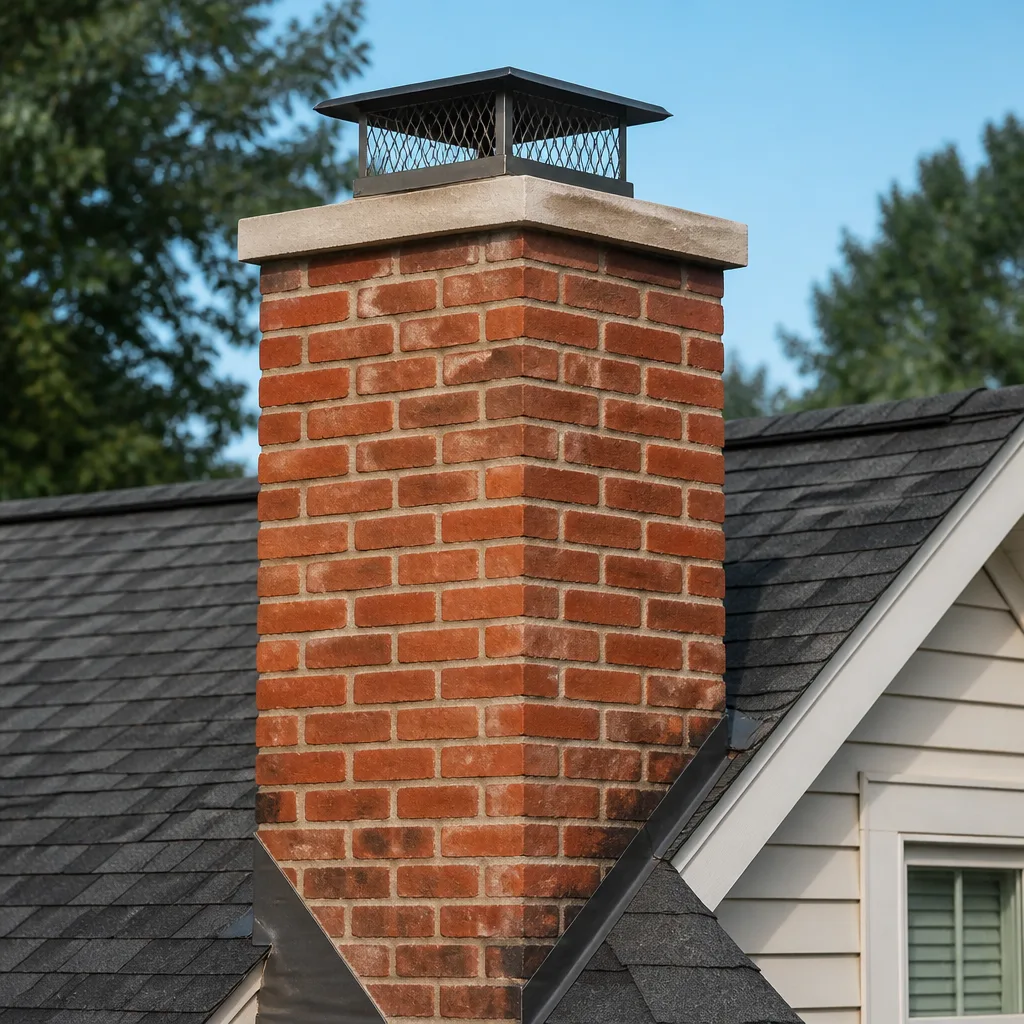
- The chimney crown. The concrete cap on top of the masonry. A cracked crown lets water into the chimney structure, which is a bigger long-term threat than most fire damage.
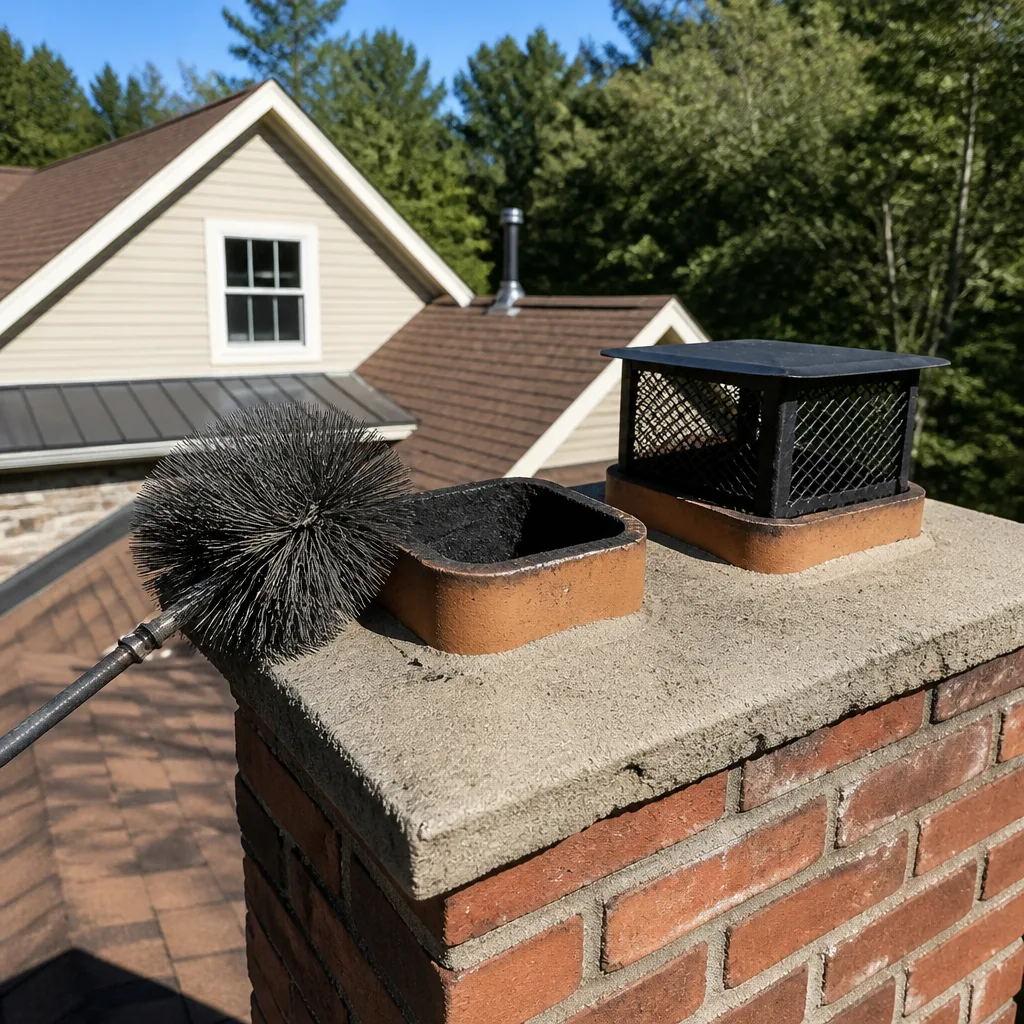
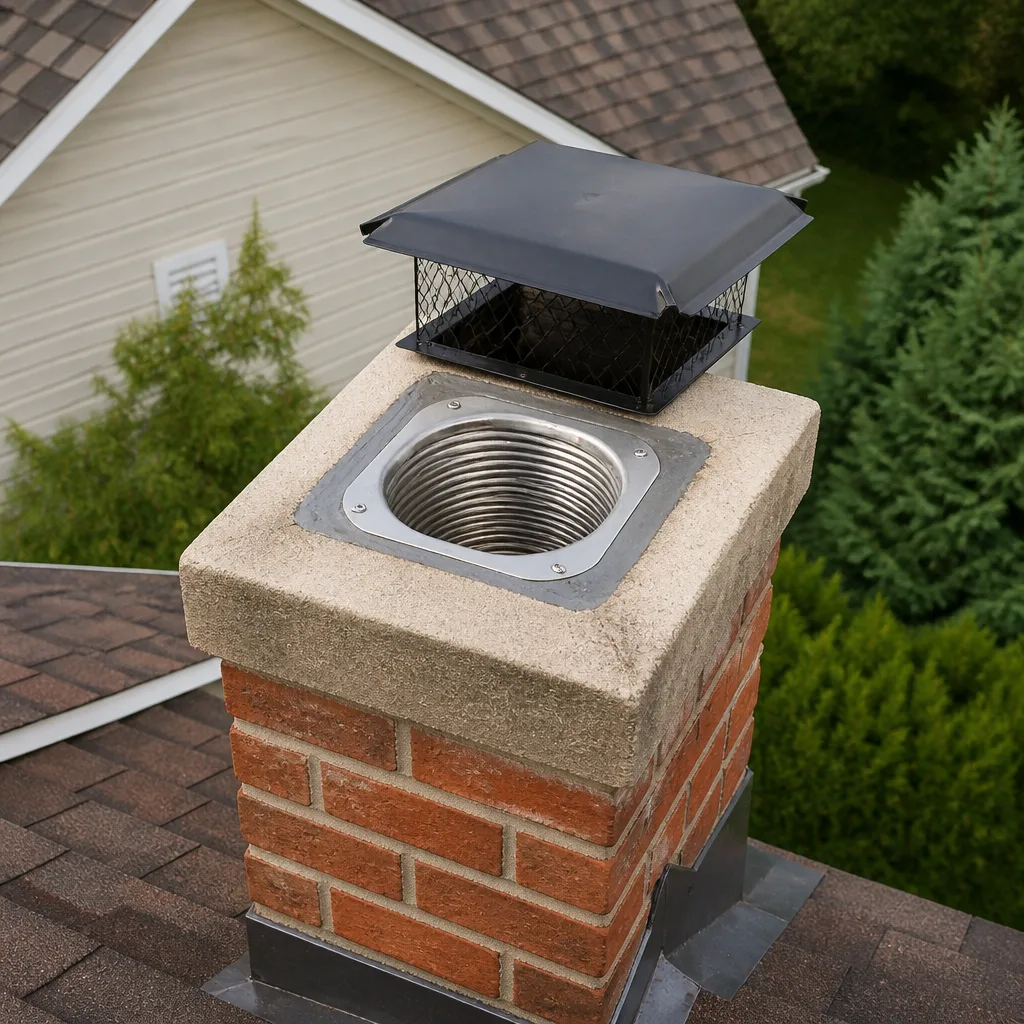
- The chimney cap. The screen-and-hood cover over the flue opening. It keeps out rain, birds, and debris, and it’s the first line of defense against water intrusion.
When we quote a full-system sweep, this is the list. Crown and cap work uses purpose-built chimney hardware from brands like Copperfield and Famco, and flue resurfacing, when a liner needs restoration rather than cleaning, draws on HeatShield products. The point of sourcing from dedicated chimney manufacturers is that a cap made from generic building-supply parts isn’t engineered for the flue environment. If your entire chimney system, from firebox to cap, is going to be cleaned, inspected, and protected, it should be handled by one specialist rather than three.
Why the smoke chamber matters most
If there’s one component Cypress homeowners underestimate, it’s the smoke chamber. It’s the funnel above the firebox that guides smoke into the flue. Because it’s angled and rough, creosote clings to it and a standard brush barely reaches it. Over years it can build a hard layer that restricts draft and adds fuel right above the hottest part of the system. A full-system sweep addresses it; a quick flue brush does not.
Gas Fireplaces and Inserts: A Different Cleaning Protocol
Many newer Cypress homes, and plenty of remodeled older ones, have gas fireplaces or gas inserts rather than open wood-burning hearths. The instinct is to assume gas means nothing to clean. That’s a costly assumption.
Gas systems don’t produce creosote the way wood does, but they produce their own maintenance needs:
- Venting and airflow. A gas insert still vents combustion byproducts, and the venting path needs to be confirmed clear and correctly connected, especially in newer construction where a vent may route through a wall or roofline.
- Dust, soot, and debris. Gas flames can leave a light soot film and pull household dust into the firebox and around the logs or glass. That buildup affects appearance and can affect combustion quality.
- The firebox and refractory. The panels and refractory lining need inspection for cracks. A cracked refractory in a gas unit is a safety concern, not a cosmetic one.
- The chimney itself. Even a gas system’s chimney or venting should be inspected for water intrusion, animal nests, and liner integrity. A gas appliance doesn’t exempt the chimney structure from weather.
In our experience, the cleaning protocol for a gas system is different: gentler tools, more attention to the firebox and venting than to the flue walls, and a close look at the appliance connection. A sweep who only knows wood-burning chimneys may not have the protocol for a gas insert. Ask before you book. The specific concern is carbon monoxide: a gas appliance with a compromised vent or a partially blocked flue can push exhaust back into the living space, and that’s the reason gas systems get inspected even though they don’t build creosote. A properly functioning chimney vents those byproducts safely. When it doesn’t, the risk is invisible.
What Professional Equipment Reveals
Equipment is where a professional sweep separates from a guy with a brush and a ladder. The tools aren’t a luxury; they’re the difference between guessing and knowing.
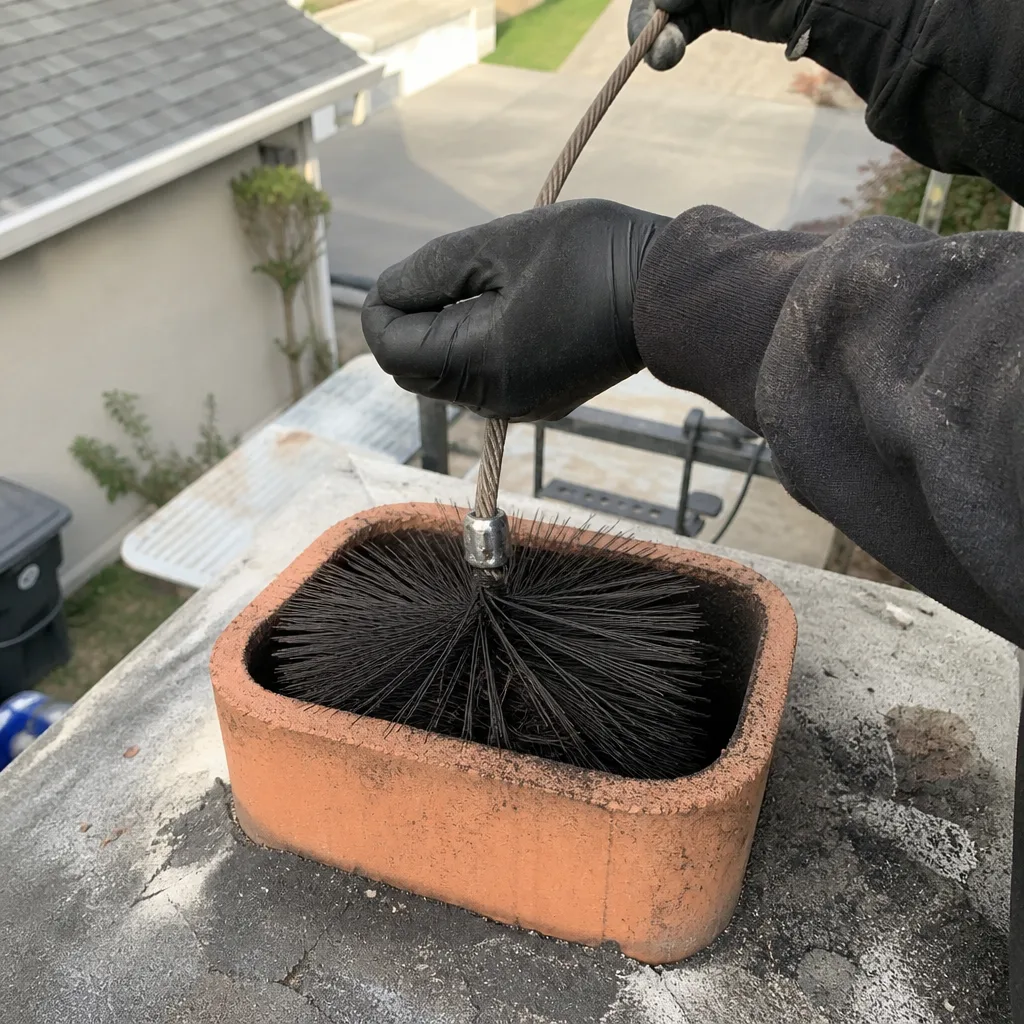
- Rotary brushes sized to the liner. A brush that’s too small leaves creosote on the walls; one that’s too stiff or the wrong shape can damage a clay tile liner. A professional selects the brush to the flue, not the other way around.
- HEPA vacuums. A proper HEPA vacuum captures fine soot at the source, so cleaning doesn’t redistribute it through the house. If a sweep doesn’t run a vacuum while brushing, dust is going somewhere, usually your living room.
- Video scanning cameras. A flue camera sees what the eye can’t from the firebox: cracked tiles, gaps at joints, offsets, and the condition of the liner near the top, where heat and condensation do the most damage. This is the tool that turns a Level 2 inspection into real information.
- Moisture and crack assessment. The crown and masonry get checked for the early signs of water damage, which is the most common silent threat to a Cypress chimney. Catching a hairline crown crack early saves a masonry rebuild later.
What video scanning reveals is often the reason a homeowner calls back. A flue can look clean from below and still have a cracked tile at the ten-foot mark. Only a camera finds that. When we find a liner issue, HeatShield and DuraFlex materials let us resurface or reline rather than refer you out. We find the problem, then we fix it, and the scan is your evidence that the fix was warranted.
How a Sweep Appointment Runs, Step by Step
Knowing what to expect removes the guesswork and the anxiety about a stranger in your fireplace. Here’s how a full-system cleaning in Cypress typically runs:
- Protection and setup. Drop cloths go down, and the HEPA vacuum connects before any brush touches the flue. Floors and nearby surfaces are protected.
- The firebox and smoke chamber. Soot and ash are cleared, and the smoke chamber gets brushed and vacuumed. The damper is checked for movement and seal.
- The flue sweep. The rotary brush runs the length of the flue from the top, and the vacuum captures the dislodged soot. The technician works down and checks the interior with a camera.
- The roof-level check. The crown and cap are inspected for cracks, missing screen, and deterioration. This is where weather damage usually shows first.
- The inspection report. You get a clear account of what was found, what’s fine, and what needs attention. The camera footage is part of the conversation, not a mystery you take on faith.
- Recommendations and estimate. If a repair is needed, it comes with a written estimate. If it can safely wait, we tell you that too.
Most of the day-to-day work here is straightforward, and a standard cleaning visit is not a long ordeal. The value is in steps four and five, where the inspection meets the equipment. The team that inspects is the same team qualified to repair, so there’s no handoff to a separate crew. From the firebox to the chimney cap, fireplace repair and cleaning are one conversation.
What Chimney Cleaning Costs and Why the Range Varies
There’s no single price for a chimney cleaning, and any company that quotes one number over the phone before seeing the system is guessing. The price depends on the system, the condition, and whether an inspection or repair is included. Here’s how the pieces break down, using typical ranges for the Cypress market:
- Standard cleaning (Level 1 visit): roughly $150 to $300. Covers the flue, firebox, and a basic visual inspection.
- Cleaning with a Level 2 video inspection: roughly $250 to $500. Adds the camera scan of the flue interior, which most sales and post-event situations call for.
- Flue resurfacing or liner restoration: roughly $1,500 to $4,000 and up, depending on liner length and condition. HeatShield resurfacing sits at the lower end; a full reline with DuraFlex reaches the higher end.
- Crown repair or rebuild: roughly $400 to $1,200. A full crown rebuild with proper bonding and slope is the upper figure.
- Chimney cap installation: roughly $150 to $600, depending on the size and style.
Those ranges are estimates, and the written estimate sets the final price. The reason the range is wide is that a Cypress chimney can be a mid-century masonry stack with a clay liner or a newer factory-built system, and the two don’t clean or inspect the same way. The right way to price the job is to see it first, then put the number in writing. Booking a sweep gets you that, and the estimate is free.
Common Mistakes to Avoid
- Assuming a “cleaned” chimney is a safe one. A brush run without an inspection checks one box and misses the rest. The flue can be clean while the smoke chamber and crown are failing.
- Skipping the sweep because the fireplace got little use. This is the Cypress-specific mistake. Light, intermittent use builds glazed creosote faster than heavy, hot use. Less burning can mean more risk.
- Burning wet or unseasoned wood. Damp wood from a tarp-covered stack smolders and deposits far more creosote than dry, seasoned wood. If the wood hisses when it burns, it’s wet.
- Ignoring the crown and cap. Water intrusion from a cracked crown quietly damages masonry and framing. Replacing a cap is cheap; rebuilding a water-damaged chimney is not.
- Letting an inspection-only company leave you with a list and no plan. An inspection that ends with “call someone else” wastes the visit. Ask up front whether the inspector can also do the repair.
- Assuming a gas fireplace needs no attention. Gas systems still need venting checks and firebox inspection, and the carbon monoxide risk from a compromised vent is real. Different protocol, still necessary.
- Going with the lowest bid sight unseen. The cheapest quote often excludes the inspection, the smoke chamber, or the crown, and those are the parts that matter. Ask what’s covered, not just what it costs.
When to Call a Professional
Some situations call for a professional without delay. If you smell a strong, acrid odor from the fireplace even when it’s not burning, that’s often glazed creosote and warrants a look. If you see black soot staining around the firebox or on the wall above it, draft or backdraft is happening. If the fireplace smokes into the room instead of up the flue, or you notice a damaged cap or a cracked crown from the ground, book an inspection. If it’s been more than a year since the last cleaning, or you’ve never had one since buying the home, start there. And if you have a gas appliance with any doubt about its venting, don’t wait on carbon monoxide concerns.
Cypress Chimney Sweep Pros offers free estimates in Cypress. Call (877) 492-3411 to book an inspection and cleaning. We answer 24/7. Fast dispatch from 7am to 7pm, Sunday through Friday.
Frequently Asked Questions
A standard chimney cleaning in Cypress typically runs about $150 to $300, and a cleaning paired with a Level 2 video inspection runs roughly $250 to $500. Repairs like liner restoration or crown rebuilds are priced separately and depend on condition. The written estimate sets the final price. Call (877) 492-3411 for an exact quote. Estimates are free.
The general rule is once a year if you burn wood, and an inspection is recommended annually even if you don’t. In Cypress, where fires are sporadic, light use actually builds glazed creosote faster, so annual attention matters more, not less. If you burn frequently or use damp wood, more often. Call (877) 492-3411 to schedule a sweep.
Not always. A new liner is needed when the existing liner is cracked, deteriorated, or the wrong size for the appliance. The only way to know is a video scan of the flue, and our team shows you the footage rather than asking you to take it on faith. If the liner is sound and just needs resurfacing, HeatShield can restore it without a full replacement. Call (877) 492-3411 for an inspection and an honest answer.
Skipping cleaning leaves creosote, the flammable residue from burning wood, to build up inside the flue, and glazed creosote is the fuel behind most chimney fires. A blocked or damaged flue can also let smoke and carbon monoxide back into the home. We won’t overstate the risk, but these are real outcomes, and they’re preventable. Call (877) 492-3411 to book a sweep before burning season.
Yes. Gas fireplaces and inserts need a different protocol than wood-burning systems: less flue brushing, more attention to the firebox, venting, and the appliance connection. They still need inspection, especially for carbon monoxide risk from a compromised vent. Call (877) 492-3411 and tell us it’s a gas system so we bring the right tools.
A Level 1 is the routine annual inspection of accessible components. A Level 2 adds a video scan of the flue and applies after a system change, a property sale, or an event that could have caused damage, including nearby wildfire exposure. If you’re unsure which applies, a Level 2 is the safer choice. Call (877) 492-3411 and we’ll help you decide.
The Bottom Line
A chimney cleaning in Cypress is not a single task. It’s a system-level service that has to account for mild-climate creosote buildup, the difference between inspection levels, gas versus wood appliances, and every component from firebox to cap. The most important thing to remember is that cleaning and safety certification are not the same. A clean flue with a cracked crown or a failing liner is still a risk. Choose a specialist who inspects, cleans, and repairs the whole system, uses professional-grade materials from brands like HeatShield, DuraFlex, Gelco, Olympia Chimney, and Copperfield, and shows you the evidence before recommending work. Book a free estimate, let the camera tell the story, and know exactly what you’re buying.
Ready for a full-system cleaning and inspection? Call Cypress Chimney Sweep Pros at (877) 492-3411 for a free estimate. The local professional is state-licensed and insured, and the flat price is agreed before any work begins. We answer 24/7. Fast dispatch from 7am to 7pm, Sunday through Friday.
Written by the team at Cypress Chimney Sweep Pros.
See the difference
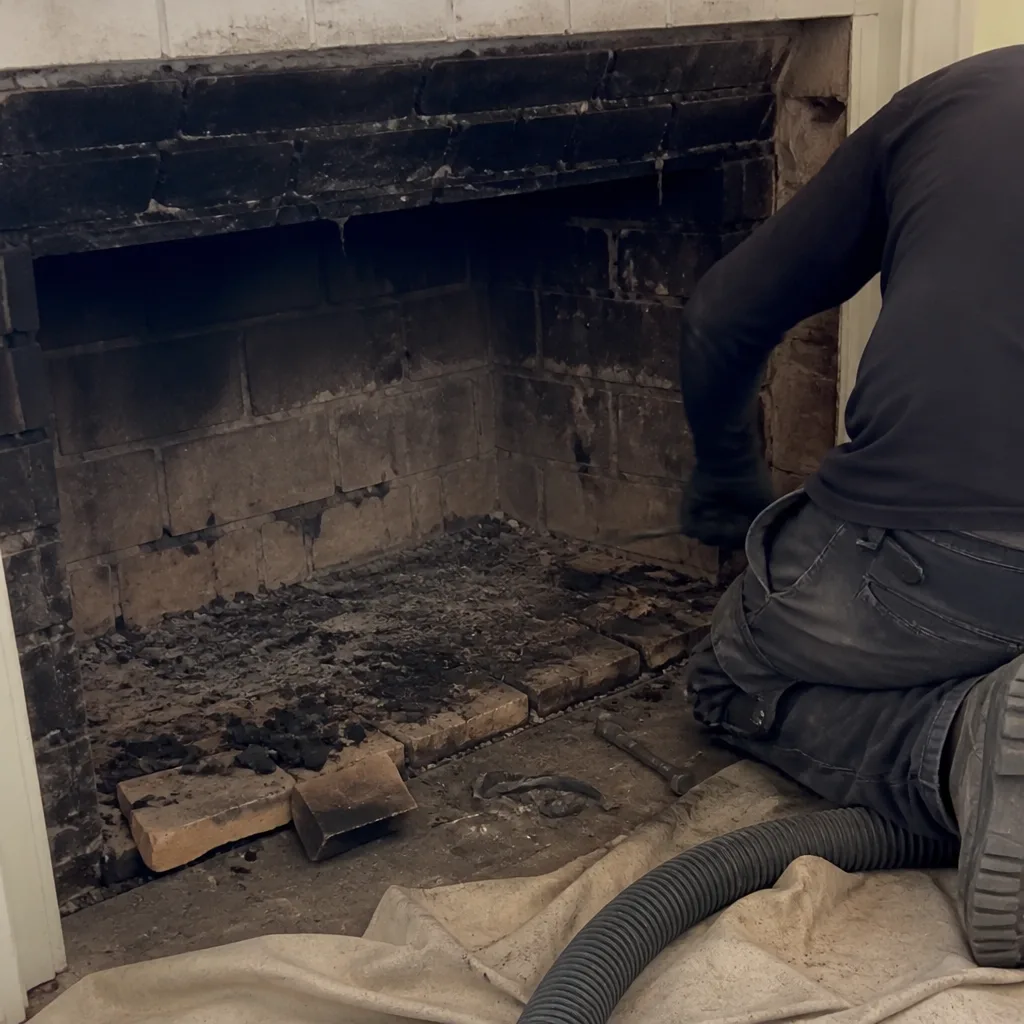 Before
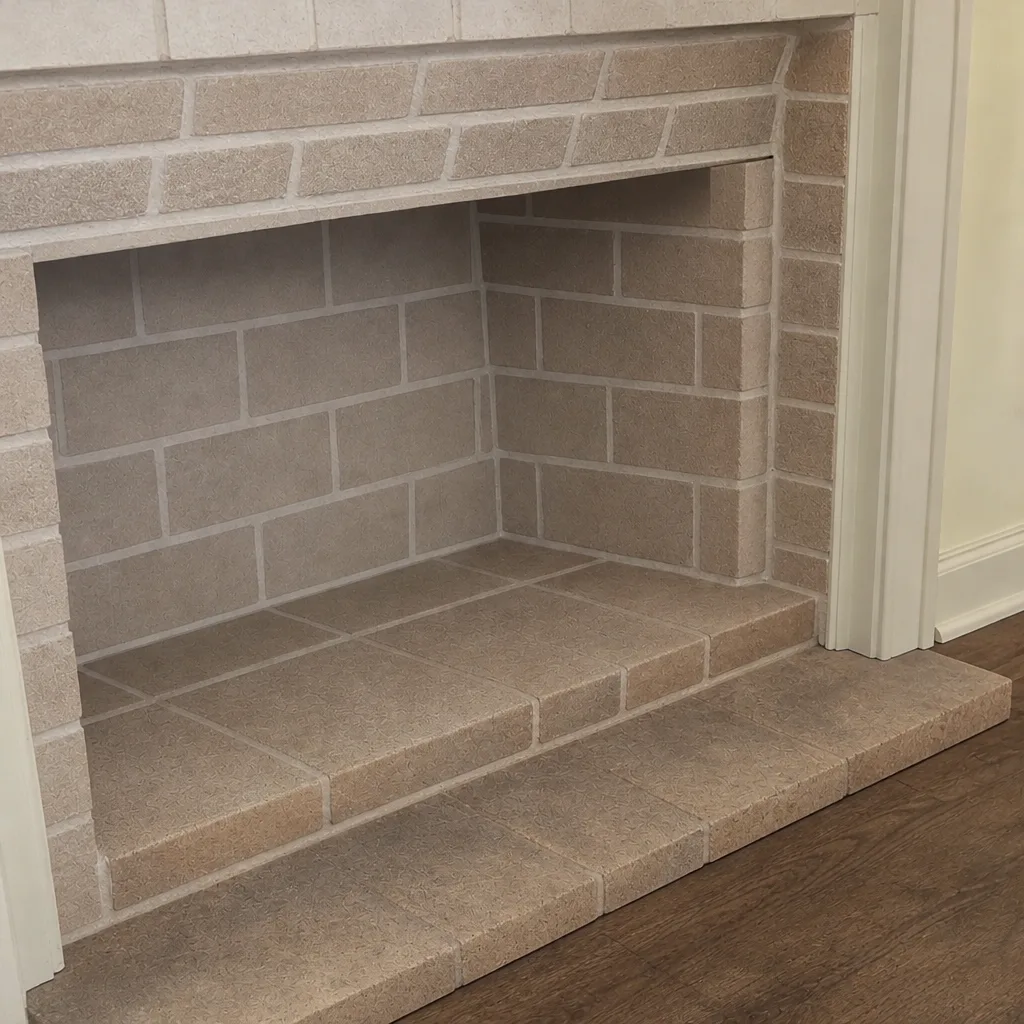 After
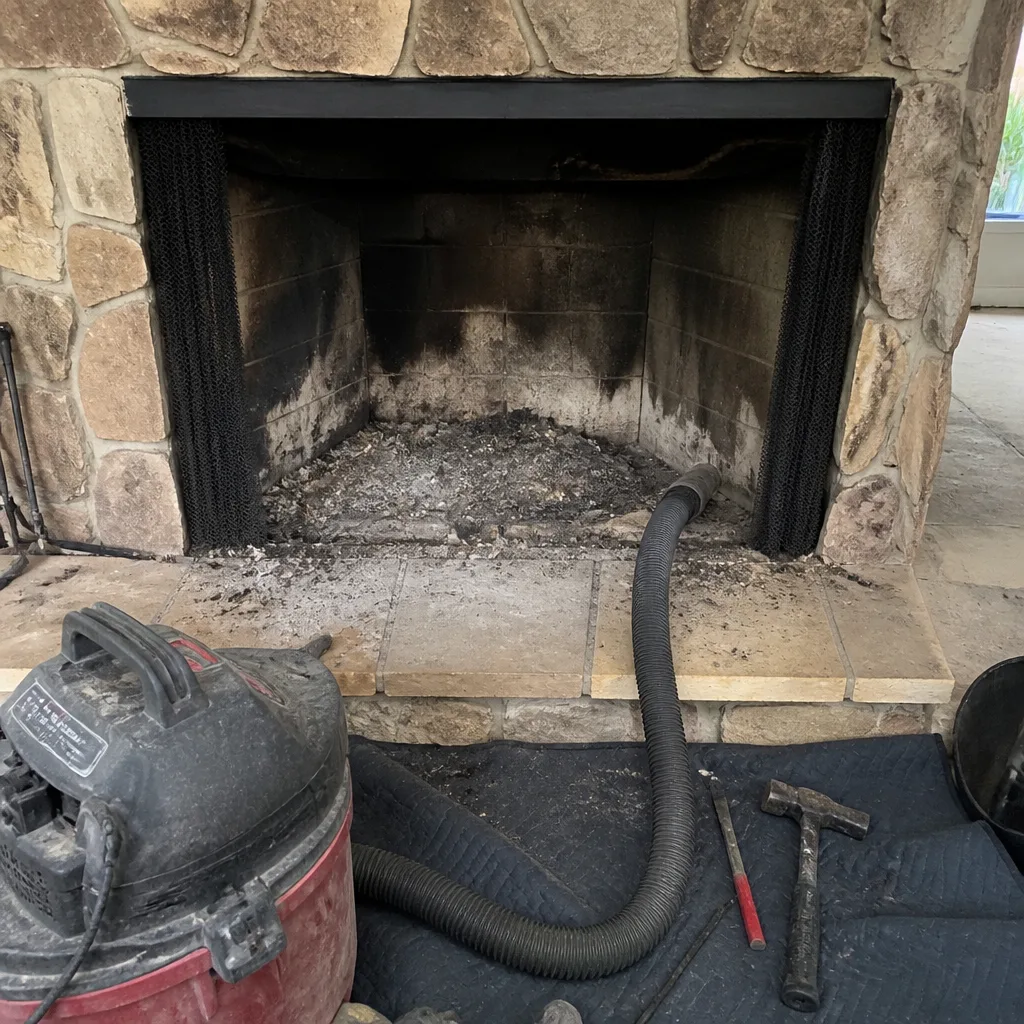 Before
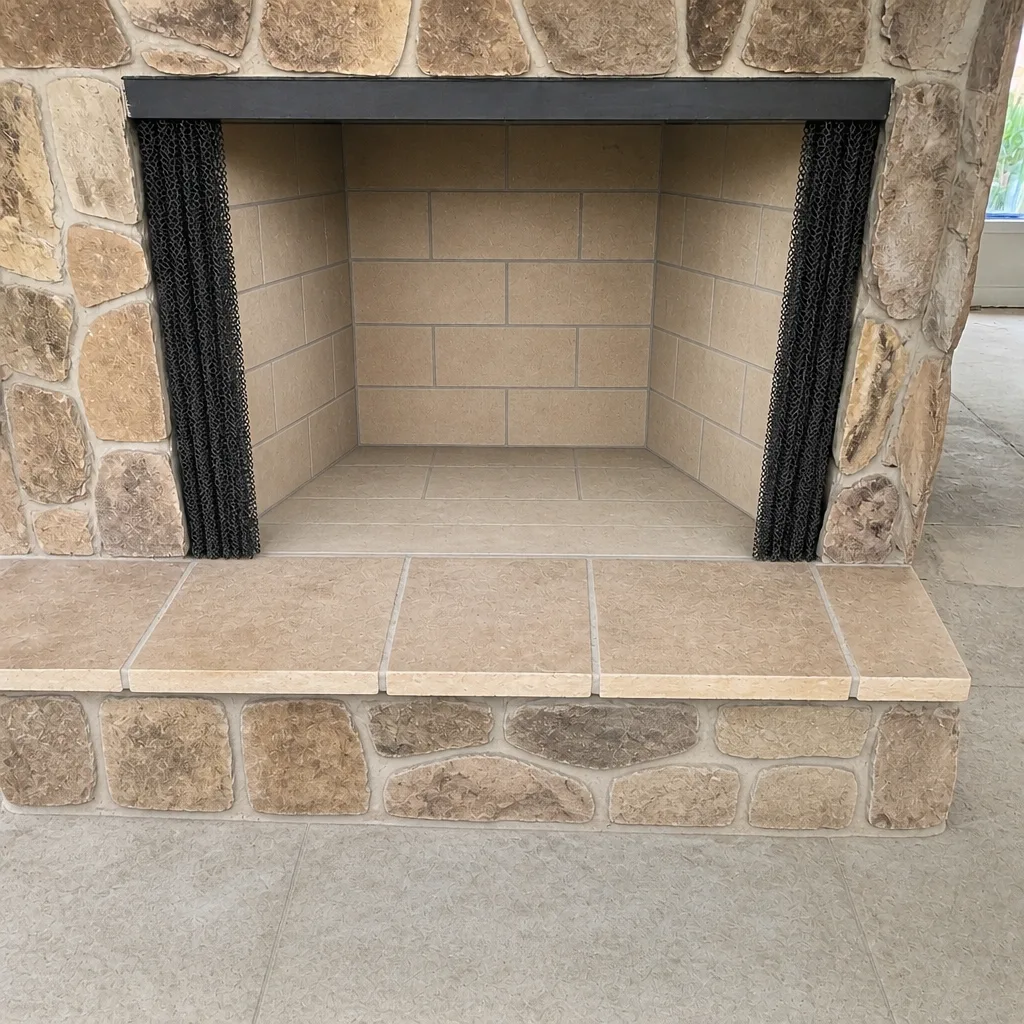 After
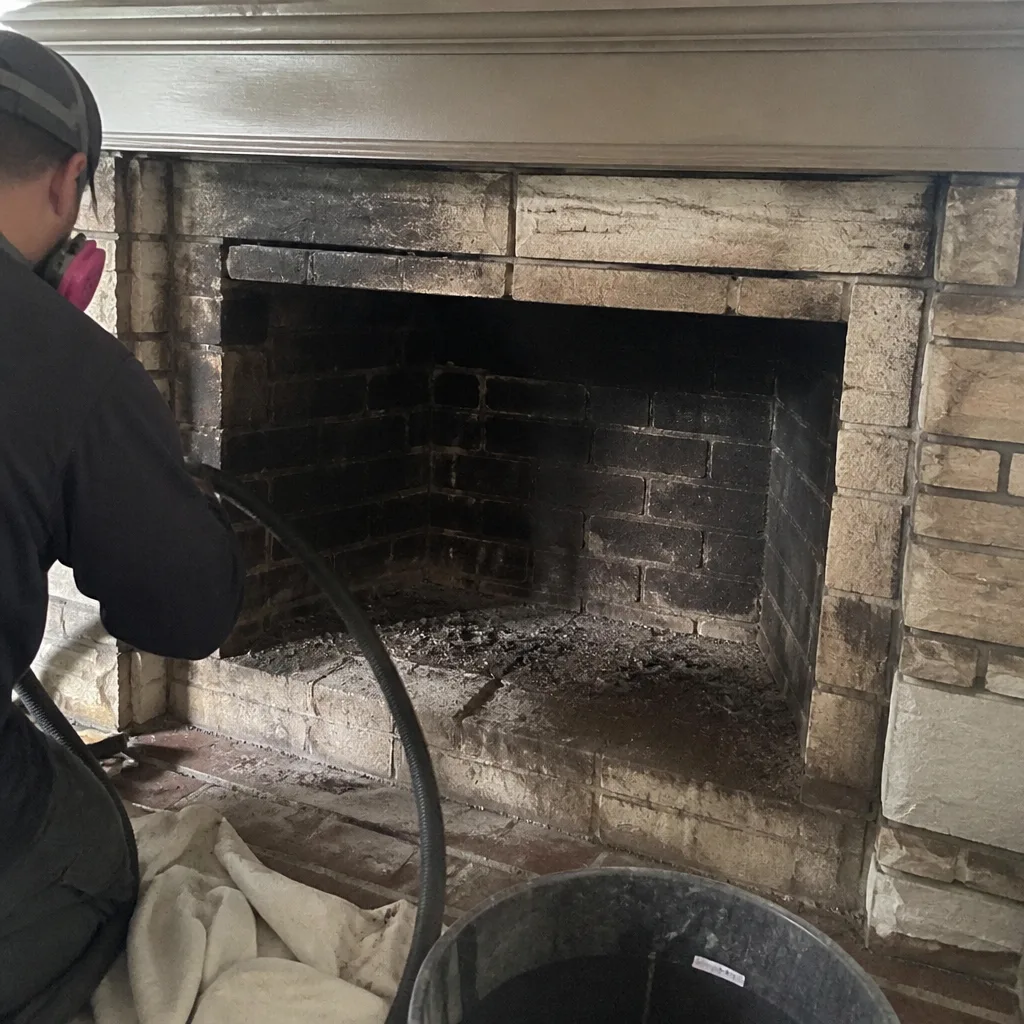 Before
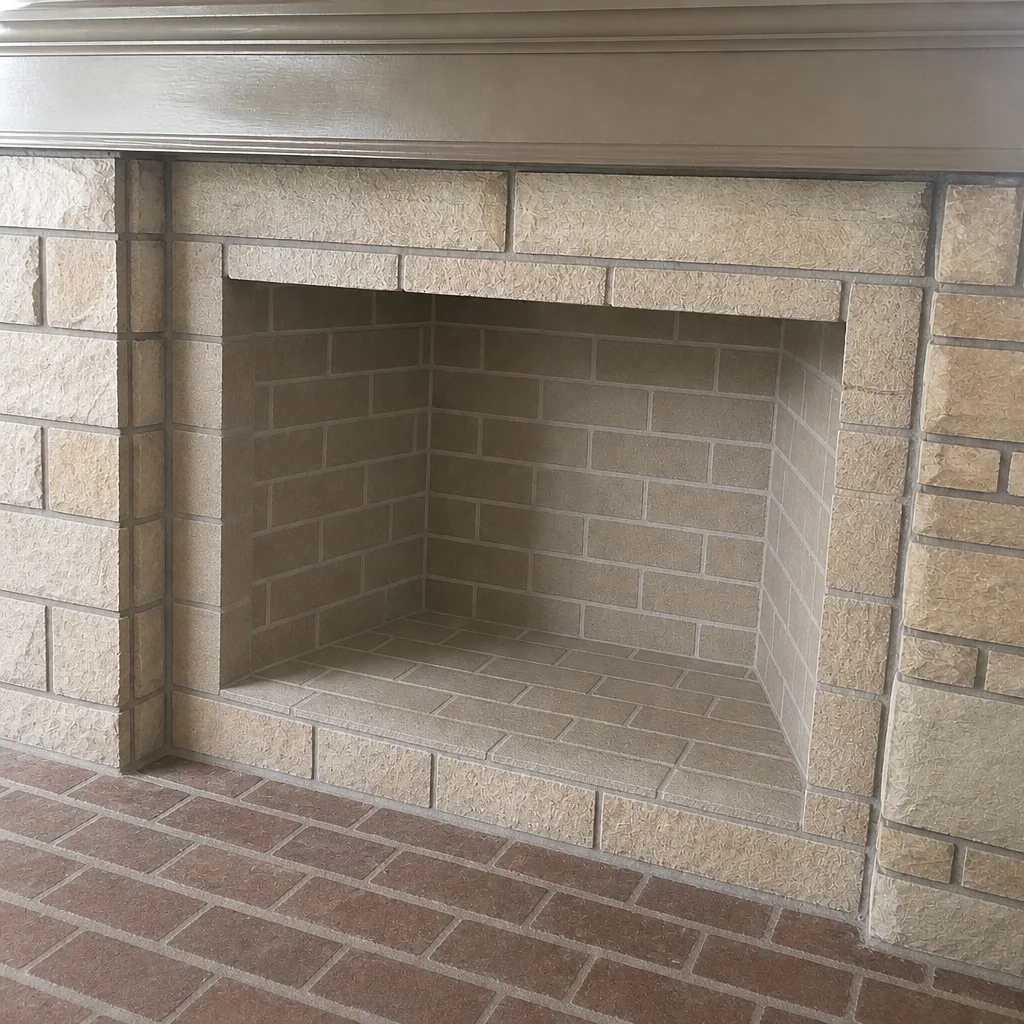 After