
Last updated November 25, 2026
 Sweep & inspection
 Caps & crowns
 Flue relining
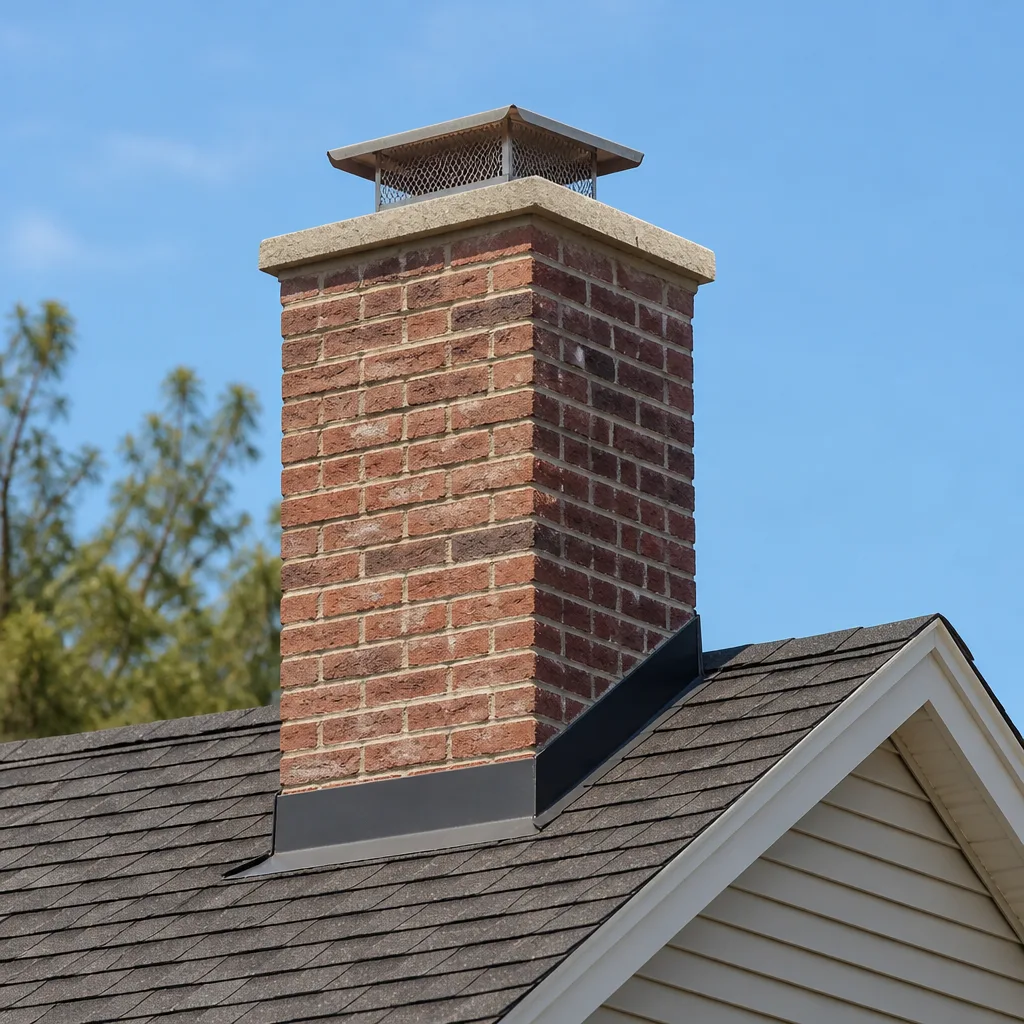 Masonry repair
 Gas fireplace service
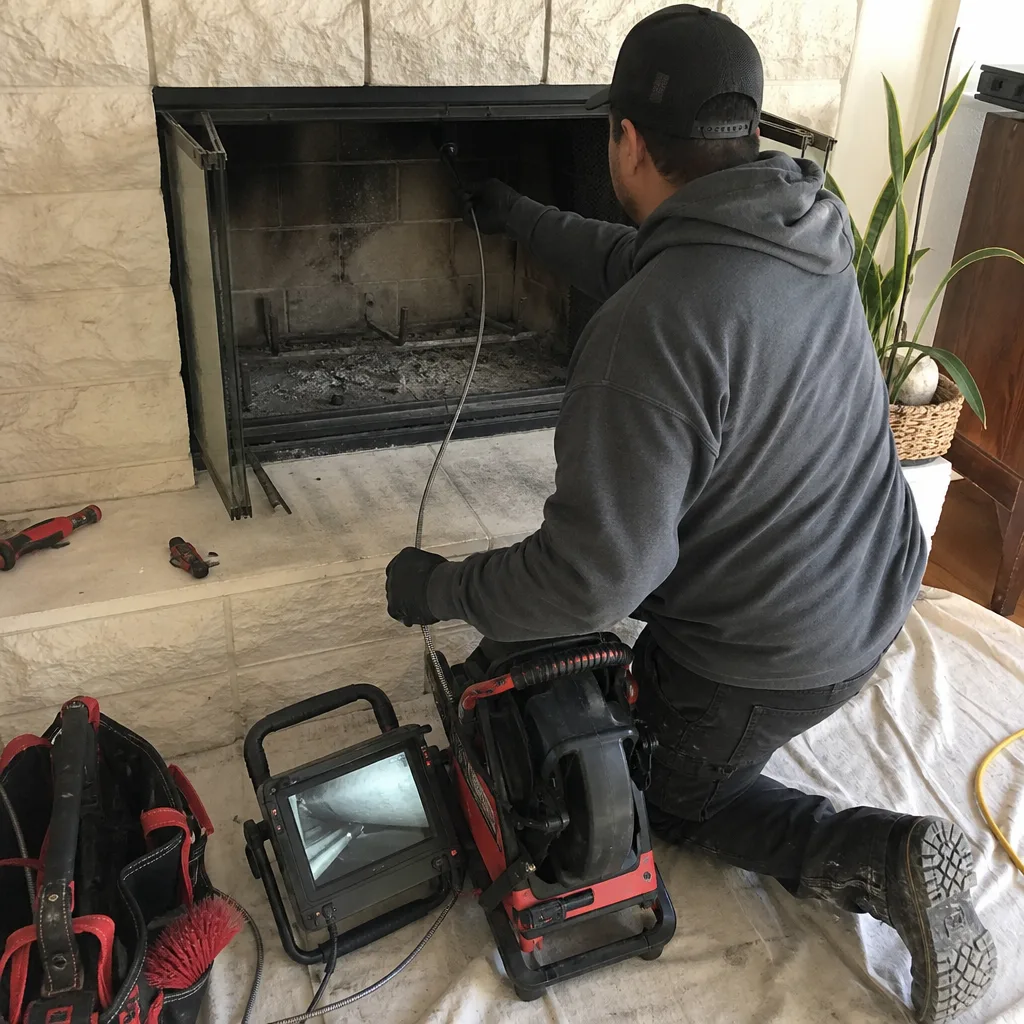
Level 1 sweep and inspection to the NFPA 211 annual standard - flue, crown, cap, and flashing checked and photographed
Chimney sweep logs do not sweep chimneys. They loosen some creosote - which then falls where a brush and vacuum still have to collect it.
Chimney Cleaning Permits, Codes & Inspections in Cypress, CA: What You Need to Know
Most homeowners in Cypress assume chimney work either always needs a permit or never does. Both guesses get people into trouble. Cleaning is maintenance and doesn’t require one. Relining a flue almost always does, and it’s the piece of the job contractors quietly skip when nobody asks. Orange County building inspectors have flagged unpermitted liner replacements during home sale escrows, and sellers end up paying for last-minute remediation because the paperwork was never pulled. This guide walks through what the California Residential Code actually requires, where routine maintenance ends and permitted work begins, how NFPA 211 inspection levels fit in, and what records to keep for a future sale.
Quick Answer
Routine chimney cleaning and visual safety checks in Cypress don’t require a building permit. Any work that changes the chimney structure, the flue liner or its material, or the firebox almost always does require a permit from the local building department, and inspections should follow the NFPA 211 levels appropriate to what’s being done. Keep every inspection report and permit record after the job, because California real estate disclosures ask about them.
Styles & brands we work with
- Sweep & inspection
- Caps & crowns
- Flue relining
- Masonry repair
- Gas fireplace service
Table of Contents
- What California Residential Code Section R1003 Requires
- When a Permit Is Required vs. Routine Maintenance
- How NFPA 211 Inspection Levels Work in Cypress
- Cleaning Only vs. Repair or Modification
- Why Relining Almost Always Needs a Permit
- Records to Keep After Any Chimney Service
- What Missing Paperwork Means at Sale
- How Cypress Climate Affects Chimney Wear
What California Residential Code Section R1003 Requires
California Residential Code Section R1003 sets the rules for how chimneys are built, how far they must clear combustibles, and what materials are allowed inside the flue. It covers new construction and it also applies to existing chimneys whenever they’re modified, replaced or brought up to current standards during permitted work. The section is where an inspector looks first, and where a homeowner’s questions should start.
Three things in R1003 come up again and again in Cypress homes:
- Clearance to combustibles. Wood framing, drywall and stored materials have to sit a defined distance from the chimney’s outer surface. In older Orange County houses, that clearance is where damage hides – a previous owner’s remodel can quietly close the gap.
- Chimney height and termination. The top of the flue has to clear the roof at a specified height and distance from the ridge and from any nearby vent or window opening. A short chimney drafts poorly and pushes exhaust where it doesn’t belong.
- Liner materials. The flue has to be lined with an approved material for the appliance connected to it. That could be clay tile, a stainless liner or another listed system, depending on what’s being vented. A masonry flue with no liner, or one with cracked tile, doesn’t meet the section’s intent.
Most Cypress homes were built before current code cycles, so they’re allowed to stay as they were built – code doesn’t retroactively require anyone to tear open a wall. But the moment a repair touches the liner, the crown or the firebox structure, the work has to meet today’s standard under the permit that comes with it. That’s the difference most homeowners don’t realize: an existing chimney can legally be older than current code, but a new repair cannot.
If you’re not sure which section of the code applies to what you’re planning, the practical answer is to call the Cypress building department and describe the work in plain language. “We’re replacing a cracked flue liner” gets a clearer answer than half-remembered code talk.
When a Permit Is Required vs. Routine Maintenance
Here’s the short version most contractors won’t hand you: cleaning is maintenance and doesn’t require a permit. Repairing the chimney structure, replacing the liner, rebuilding a firebox or altering the crown almost always does. The dividing line isn’t how big the job feels. It’s whether the work changes the system or just cleans it.
Work that qualifies as routine maintenance (no permit):
- Sweeping soot, creosote and debris from the flue and smoke chamber
- A visual safety check of the firebox, damper and visible flue
- Removing a bird’s nest or debris from the top of the chimney
- Installing a standard chimney cap that doesn’t alter the flue itself
Work that typically triggers an Orange County building permit:
- Replacing the flue liner, whether with clay tile or a stainless chimney repair system
- Rebuilding or resurfacing the firebox with refractory material
- Structural repair to the chimney stack, crown or footing
- Adding a new chimney or changing the appliance connected to an existing flue
- Cutting into a chimney to add a vent or flue connection
The permit rules are simpler than most contractors admit. Cypress pulls from Orange County’s permitting structure, and the local building department wants to see the scope of work, the materials being used and the inspection that follows. A HeatShield or DuraFlex relining job goes through a permit because it changes the flue. A sweep and a camera inspection does not, because it doesn’t.
If a contractor tells you relining doesn’t need a permit, ask why in writing. That’s the moment to walk away.
How NFPA 211 Inspection Levels Work in Cypress
NFPA 211 is the national standard for chimneys, fireplaces, vents and solid-fuel appliances, and it defines three levels of inspection. The level you need depends on what’s being done, not on what the contractor has time for. Here’s how the three levels break down:
- Level 1 inspection. A visual check of the readily accessible parts of the chimney and firebox during a routine sweep or service call. This is the baseline for a fireplace that’s been used normally and is being cleaned.
- Level 2 inspection. Everything in a Level 1 plus access to parts of the chimney that aren’t usually visible, often with a camera, and typically required when a property changes hands, when an appliance is changed, after a chimney fire, or after an event that could have damaged the system. This is the level real estate transactions and insurers most often ask about.
- Level 3 inspection. A diagnostic inspection that can involve opening walls or removing parts of the chimney to access concealed areas. It’s reserved for specific suspected hazards a Level 1 or Level 2 can’t settle.
The Authority Having Jurisdiction (AHJ) in Orange County – the local building department – sets the permit requirements and the inspection sequence for permitted work. NFPA 211 explains the condition of the chimney. The AHJ decides whether the paperwork satisfies the code. They aren’t the same standard, and a good contractor should be able to explain the difference without hand-waving.
In our experience, the confusion in Cypress usually comes down to one question: does the permit inspection count as the Level 2 inspection the buyer’s agent asked for? Not automatically. The permit inspection verifies that the permitted work was done to code. A Level 2 inspection documents the whole chimney system. They sometimes overlap and sometimes don’t, and that’s worth clarifying before a sale moves forward.
Cleaning Only vs. Repair or Modification
Legally, “cleaning only” means no change is made to the chimney system. That’s the test. Not how invasive the work feels, not how long it takes, and not whether the homeowner is planning to sell. If the flue, firebox, crown or liner is altered in any way, the work crossed the line into repair or modification.
Here’s the practical breakdown a Cypress homeowner can use:
- Cleaning only: soot and creosote removal, visual check, cap inspection, brush and vacuum work. No permit.
- Repair or modification: any change to the material, shape or structure of the chimney or flue. Permit almost always required.
Where it gets murky is in jobs that start as cleaning and turn into repair halfway through. A sweep opens the damper, looks up the flue, finds cracked tile and asks the homeowner to approve relining on the spot. That’s a legitimate conversation to have, but the relining portion of the job needs a permit, and it needs it before the work begins. If the crew can’t pull the permit, the honest answer is to schedule the relining as a separate, permitted job.
Two situations come up often in Cypress:
- A homeowner buys a house with a chimney that failed the sale inspection and hires a sweep before closing. The sweep cleans the flue, and the contractor who shows up to fix the cracked liner later needs to pull the permit and match the previous work. The records from the sweep matter here.
- A homeowner schedules a chimney sweep as routine maintenance, the inspection finds the crown is cracked, and the crown replacement needs a permit because it changes the top of the chimney structure. The two jobs are separated on purpose.
If a contractor offers to reline or rebuild without pulling a permit “because it’s faster,” the correct answer is no. The paperwork gap shows up later, and it shows up at the worst possible time.
Why Relining Almost Always Needs a Permit
Replacing a flue liner is permitted work in nearly every jurisdiction, including Orange County. It changes the material inside the chimney, it changes how the appliance is vented, and it changes what an inspector needs to verify. That’s why a relining job is not a “small” repair even when it can be done in a few hours.
A few reasons a Cypress relining job goes through the permit process:
- The liner material has to match the appliance, and the inspector verifies that.
- The flue’s sizing has to match the appliance’s venting requirements.
- The liner has to be properly connected at the top and seated correctly at the firebox or appliance connection.
- Clearances to combustibles have to hold after the liner is installed.
If a contractor tells you relining doesn’t require a permit, that’s a red flag on the contractor, not a shortcut. A proper relining job with a DuraFlex or HeatShield system, installed correctly, is the kind of work that holds up because it was documented and inspected. From the firebox to the cap, we handle the whole system, and the permit trail is part of what makes that possible.
For older Cypress homes with original clay tile liners, the most common finding is spalling or cracked joints from years of cycling between hot flue gas and cool outdoor air. A camera inspection shows that clearly. It also shows whether the chimney can be resurfaced with HeatShield or needs a full stainless liner, and those two paths have different scopes, different permit details and different follow-up inspections. Homeowners who see the camera footage before work starts understand why one is required and the other is not.
Records to Keep After Any Chimney Service
California real estate disclosures ask about chimney condition and work performed, so a Cypress homeowner’s chimney file is worth building now, not at sale. The documents below are the ones that resolve questions later:
- Inspection report. The written report from the sweep or inspector, with the inspection level noted and the date.
- Photos and camera footage. Before-and-after photos of the flue, firebox and crown, plus any camera footage captured during the inspection.
- Copy of the permit. The permit number and the finaled inspection card if the work required a permit.
- Material documentation. The manufacturer and system information for any liner, cap or crown installed. Famco and Copperfield caps or crown systems carry identifying details worth keeping.
- Written estimate and invoice. The paperwork that ties the work performed to the price agreed.
- Contractor name and contact. The company that performed each service, in case a follow-up question comes up years later.
Keep these the same way you’d keep HVAC records or roof warranty paperwork. They cost nothing to store and save a lot of money when they matter. For homeowners who plan to stay in Cypress for years, a simple folder that grows with each service is the easiest version of this.
What Missing Paperwork Means at Sale
The moment a Cypress home goes into escrow, the buyer’s inspector looks at the chimney, and anything that was done without a permit becomes a negotiation item. A liner replacement that was never permitted can trigger a demand for a re-inspection, a requirement to pull a retroactive permit, or a request for a credit at closing. The seller usually pays for all three.
This is the part of the story that rarely reaches the homeowner until it’s happening. In our experience, the most common finding is a relining job done years earlier by a contractor who skipped the permit and moved on. The work itself may be fine. The paperwork isn’t. And without documentation, nobody can verify the materials, sizing or inspection at the time of install.
What to do if you’re selling and the paperwork is missing:
- Order a Level 2 inspection so you know what’s actually in the flue before the buyer’s inspector gets there.
- Ask the building department what’s required to bring a past repair into record, since the process varies with the scope.
- Have a written report on hand that documents current condition, even if the old permit can’t be produced.
A current, camera-documented inspection often solves the immediate problem – the buyer can see the condition for themselves. But it’s a fix, not a substitute for pulling the permit in the first place. The right time to keep the paperwork is when the work is done, not at sale.
How Cypress Climate Affects Chimney Wear
Cypress winters are mild, which actually changes what chimney wear looks like here. There’s no heavy freeze cycle working on the masonry, but there is a long dry season followed by cooler, wetter months, and that cycle does its own kind of damage. A masonry crown that goes dry for months and then gets soaked tends to crack at the corners and along the bond. Once the crown is compromised, water finds the flue liner and the damage compounds.
The pattern we see most in Cypress:
- Crown cracks that start small in the early fall and open up over a wet winter
- Water finding its way into a clay tile liner through the crown or a missing or loose cap
- Spalling tile and deteriorated mortar joints inside the flue after repeated moisture cycles
- Rust on a metal firebox component or damper after the flue gets damp and stays damp
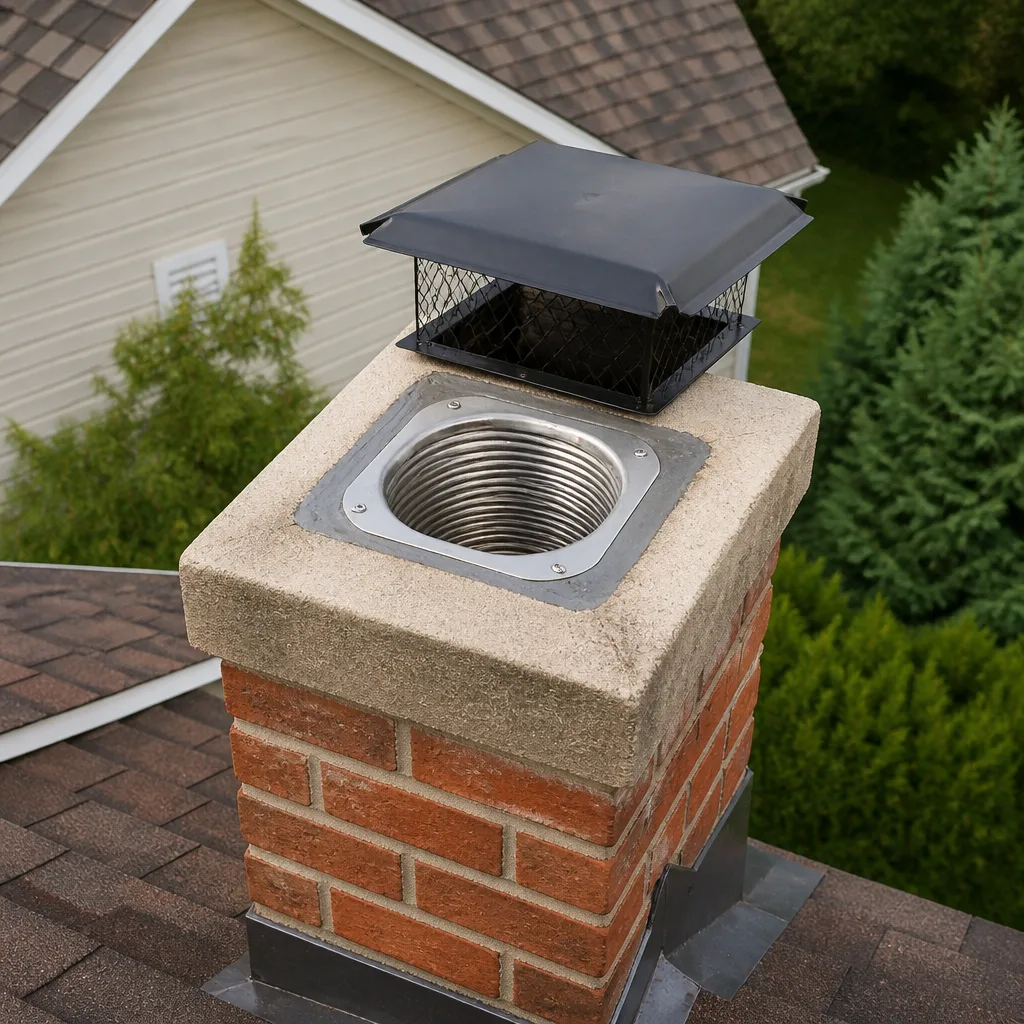
A properly fitted cap is one of the cheapest ways to prevent all of that. Famco and Copperfield cap and crown hardware is built for this – purpose-made chimney hardware rather than a generic substitute from the building supply aisle. In Cypress, the cap is the first line of defense against a repair that would otherwise need a permit.
Because the climate here doesn’t push hard freezes through masonry, the wear story is slower and quieter. That’s actually why the inspections matter. A Cypress chimney often fails on the inside first.
Common Mistakes to Avoid
- Assuming relining doesn’t need a permit. A liner replacement changes the flue system and almost always requires a permit. Ask for the permit before work begins, not after.
- Hiring an inspection-only company and assuming the repair is handled. A report with no repair path means sourcing a second contractor, and the second contractor may not agree with the first one’s findings. One team that inspects and repairs avoids that.
- Skipping the inspection because the sweep “looked at it.” A visual check during a sweep isn’t a Level 2 inspection. The two are documented differently, and a sale or an insurance question needs the written report.
- Letting a contractor talk you out of the camera. Cypress chimneys fail from the inside. Anyone recommending thousands of dollars of liner or masonry work without showing you camera footage is asking you to trust a claim you can’t verify.
- Throwing away the inspection report and photos. Retain them. California disclosures ask about chimney condition, and paperwork you have is worth far more than paperwork you’re trying to reconstruct.
- Borrowing a friend’s “cap that fits” from a hardware store. A generic cap that doesn’t match the flue opening is a future water problem. Purpose-built chimney caps are the correct route.
- Waiting until the sale inspection to find the problem. A Level 2 inspection on your own timeline gives you room to plan the repair and pull the permit properly. At sale, you don’t have that room.
See the difference
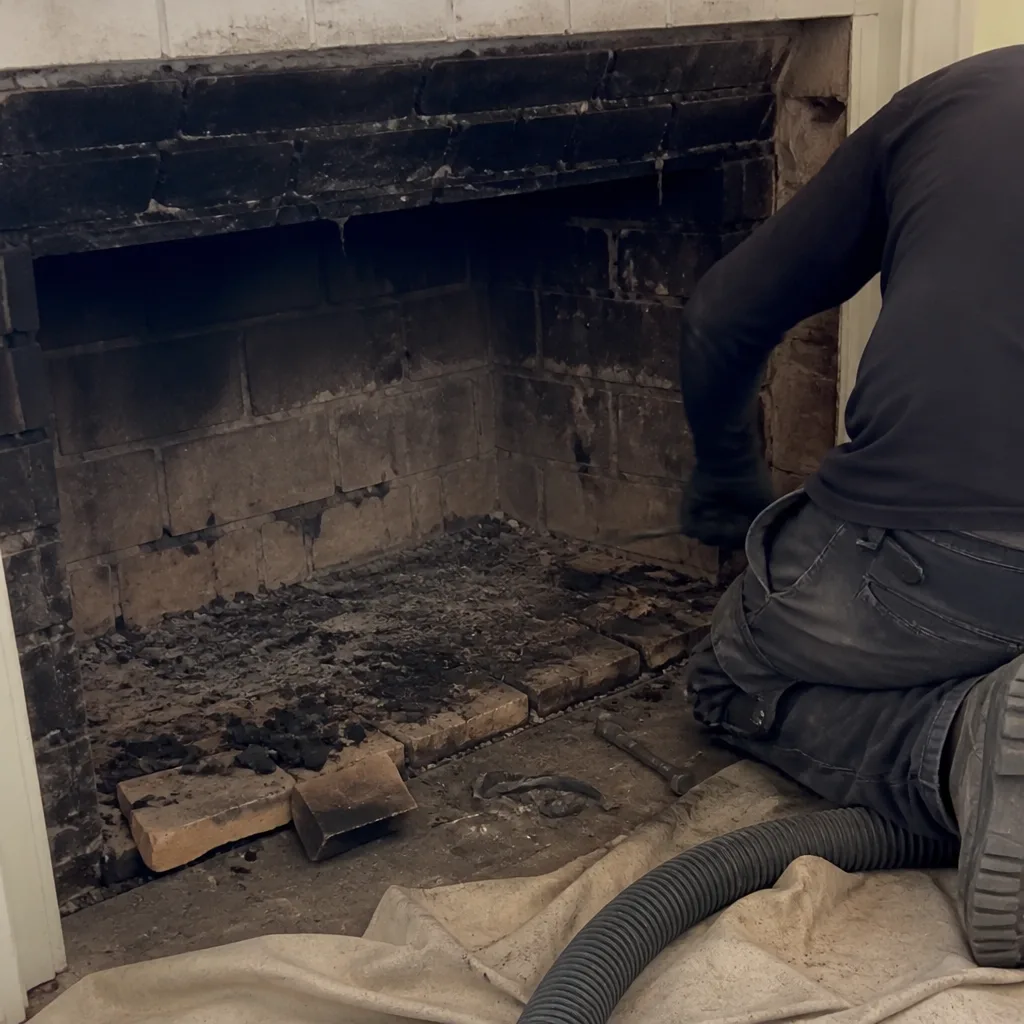 Before
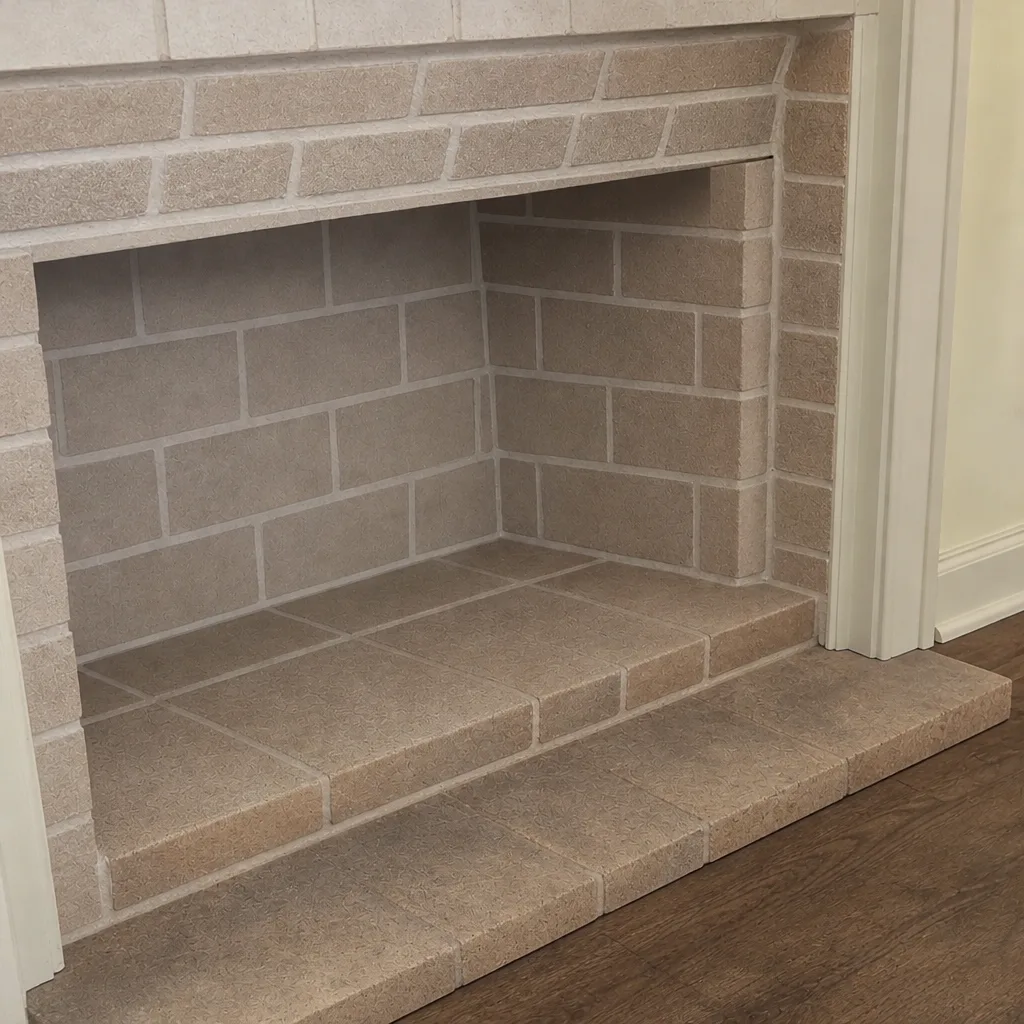 After
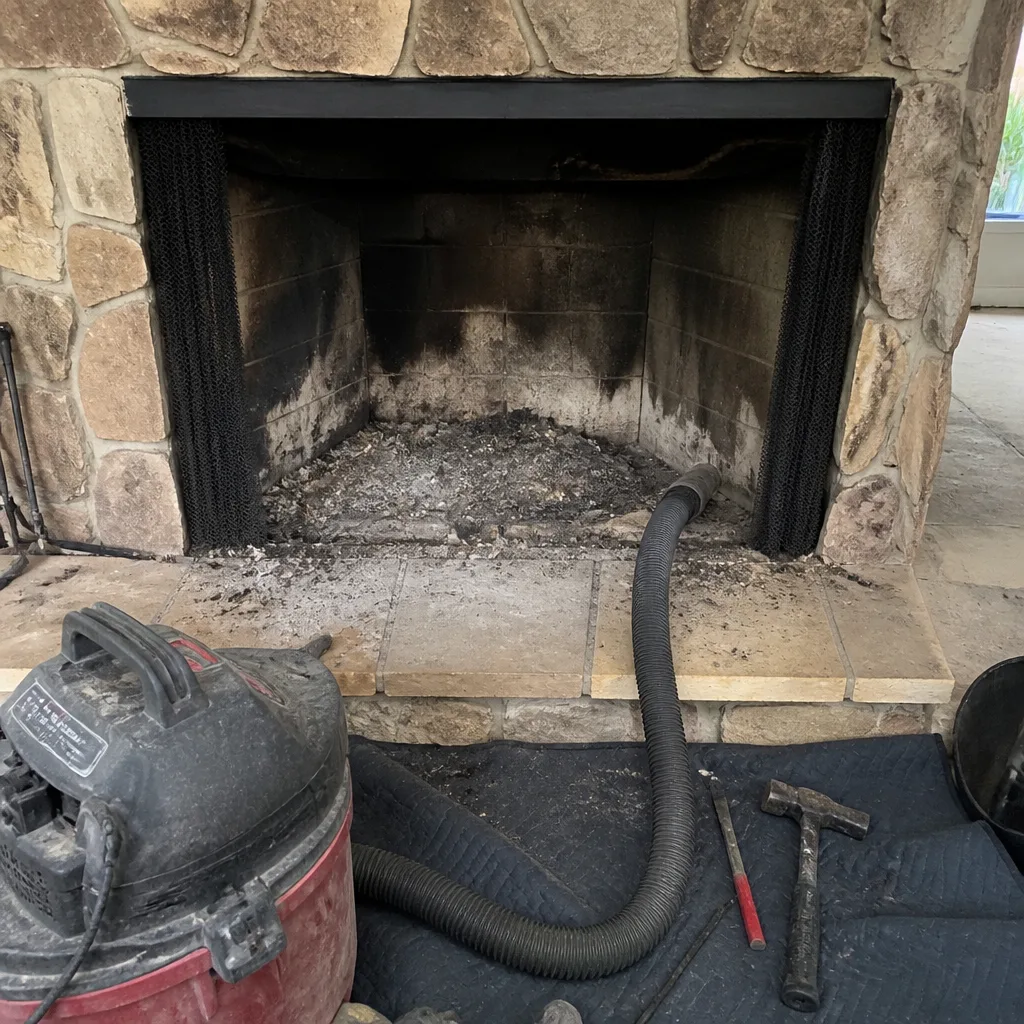 Before
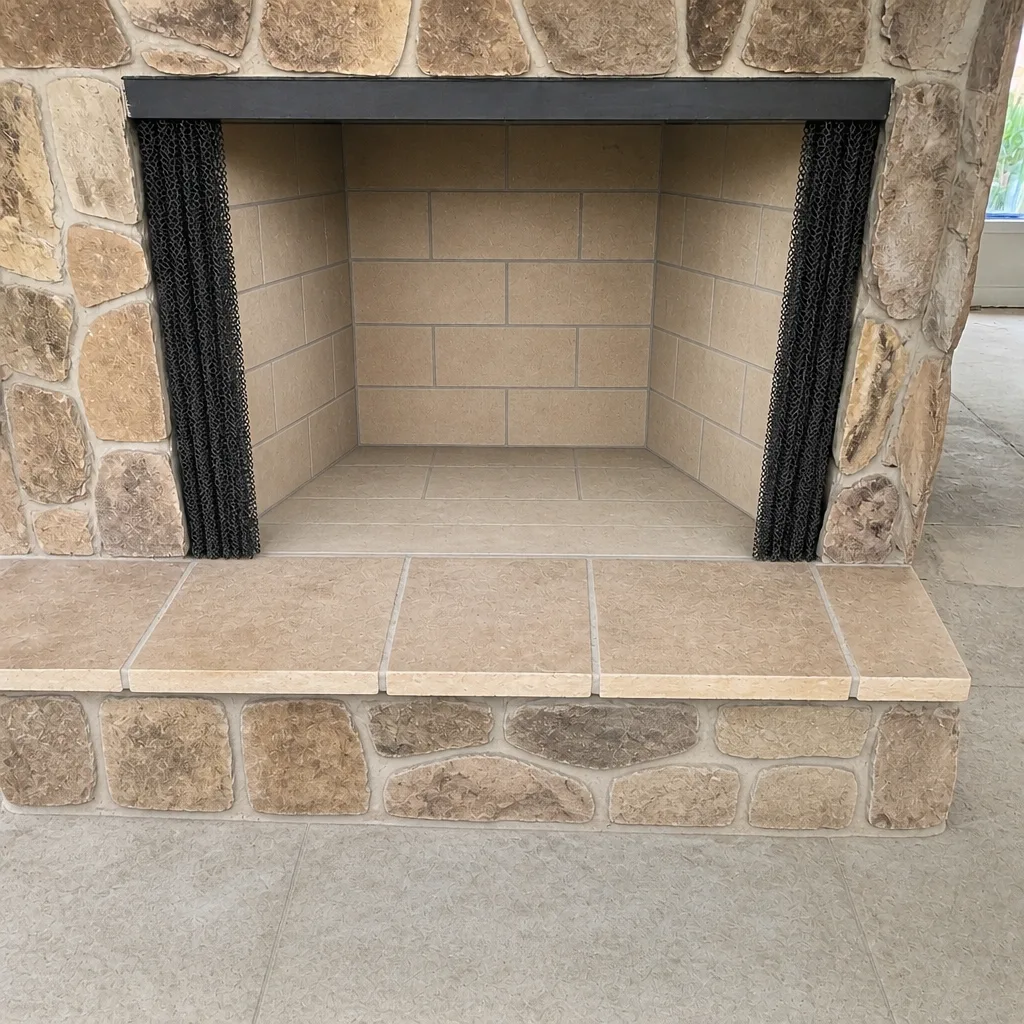 After
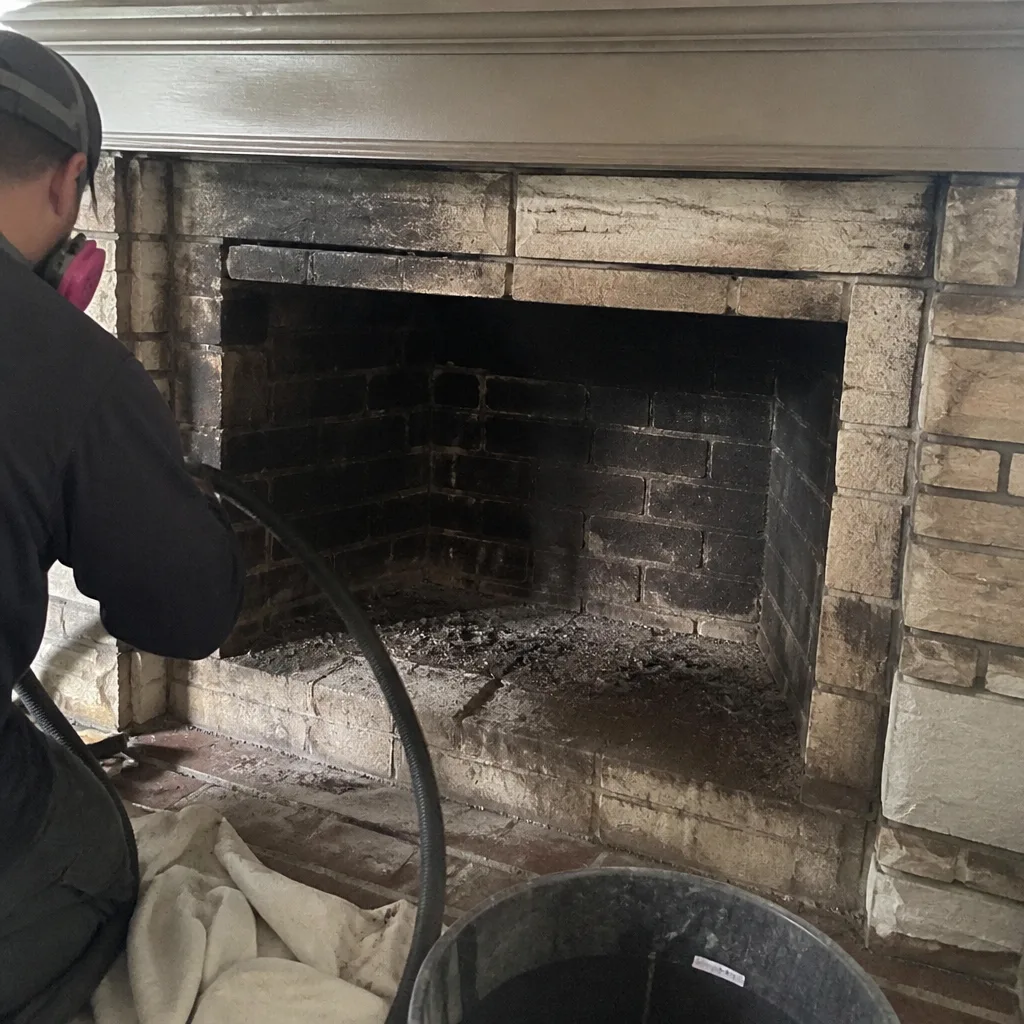 Before
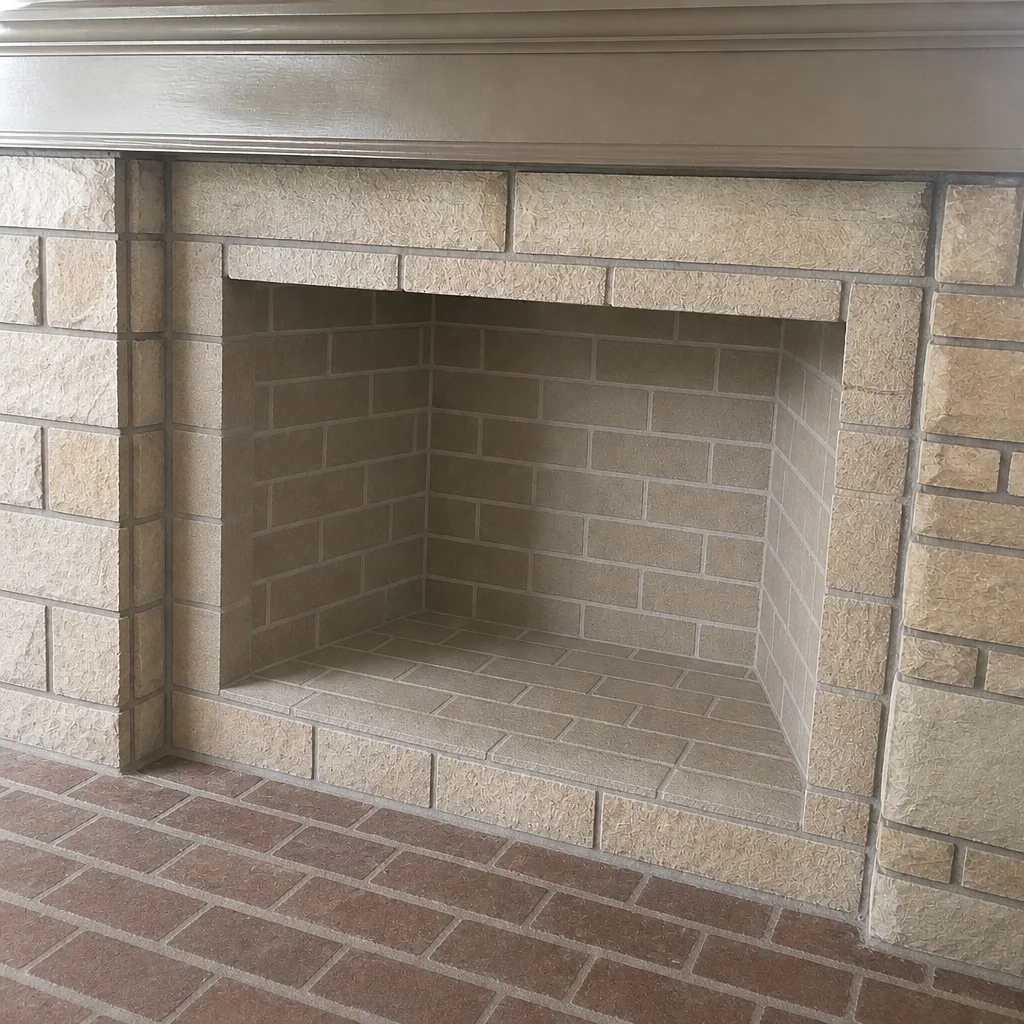 After
When to Call a Professional
Call a professional chimney specialist if the flue hasn’t been inspected in a while, if the fire has ever smoked back into the room, if you smell creosote or dampness near the fireplace, or if you’re buying or selling a home in Cypress and the chimney is part of the transaction. Call before you plan a repair too, especially anything that touches the liner, the crown or the firebox, because that’s the work that needs a permit and an inspection. A trained professional should look at the flue with a camera before any recommendation is made, and nothing should be quoted without that footage.
If you’re not sure whether what you’re seeing is a maintenance issue or a repair, that’s the right time to call. The inspection tells you which side of the permit line the work falls on, and the report becomes part of your record. Cypress Chimney Sweep Pros offers free estimates in Cypress – call (877) 492-3411. We answer 24/7. Fast dispatch from 7am to 7pm, Sunday through Friday.
Frequently Asked Questions
No. Chimney cleaning is routine maintenance and does not require a building permit in Cypress or anywhere in Orange County. A permit is required when the work changes the chimney structure, the liner, the firebox or the crown. If a contractor tries to bill a cleaning as permit work, ask for the scope in writing. Call (877) 492-3411 for an exact quote – estimates are free.
Yes, in nearly every case. Replacing a flue liner changes the material inside the chimney and how the appliance is vented, which is permitted work under California Residential Code Section R1003 and the local AHJ’s requirements. If a contractor claims otherwise, ask why in writing. Call (877) 492-3411 for an exact quote – estimates are free.
A sweep cleans the flue. A Level 2 inspection documents the entire chimney system, including parts you can’t see from the firebox, usually with a camera, and is the level typically required at a real estate transaction or after an appliance change. If you’re buying or selling a home in Cypress, the Level 2 inspection is the document the buyer’s side will want. Call (877) 492-3411 for an exact quote – estimates are free.
The standard answer is once a year for a fireplace in regular use, plus a visual check each season, because creosote builds up gradually and doesn’t announce itself. Cypress homeowners who burn through the cooler months should have the flue looked at before the season starts, not after. A camera inspection confirms whether the flue is safe to use. Call (877) 492-3411 for an exact quote – estimates are free.
The buyer’s inspector will likely flag it, and the sale can stall until the repair is documented or a credit is negotiated. The cost of pulling the paperwork retroactively falls on the seller in most cases. A Level 2 inspection with a written report is the fastest practical response. Call (877) 492-3411 for an exact quote – estimates are free.
You need to see the camera footage before you decide. Cracked or spalling tile shows clearly, and a contractor who can’t show it to you is asking for trust you have no way to check. HeatShield resurfacing can address some deteriorated flues; others need a full DuraFlex liner. Nothing should be recommended without camera evidence. Call (877) 492-3411 for an exact quote – estimates are free.
Can I clean my own chimney in Cypress?
Cleaning above the firebox with proper brushes and a vacuum is within reach for a careful homeowner, but it’s not a substitute for a camera inspection, and it’s the wrong call for anything involving the liner, the crown or the firebox structure. Those involve real injury risk from falls, hot flue gas residue and structural failure. A trained professional should handle anything above the level of a basic sweep. Call (877) 492-3411 for an exact quote – estimates are free.
The full chimney system from the firebox to the cap – Cypress Chimney Sweep Pros – is one contractor’s responsibility when the job is done right. If a repair is needed beyond cleaning, our fireplace repair work covers the parts of the system below the flue that most sweeps leave to someone else.
The Bottom Line
Permit rules in Cypress aren’t complicated once they’re laid out: cleaning doesn’t need a permit, and anything that changes the flue, liner, firebox or crown does. The specifics live in California Residential Code Section R1003 and the local AHJ’s permit requirements, and the inspection levels come from NFPA 211. The paperwork is what protects you. Keep the inspection report, the photos, the permit, the material information and the invoice for every job. If a contractor offers to skip the permit, walk away. If a contractor recommends thousands of dollars of work without showing you the camera footage, walk away from that too.
We work with DuraFlex, HeatShield, Famco and Copperfield because the quality of the parts determines the quality of the result, and the paperwork that comes with a permitted job is part of what makes it hold up. From the firebox to the chimney cap, we handle it. Our technicians have up to 10 years of experience.
If you’re in Cypress and need a chimney sweep, an inspection, or a repair that goes through the permit process, call Cypress Chimney Sweep Pros at (877) 492-3411 for a free estimate. We answer 24/7. Fast dispatch from 7am to 7pm, Sunday through Friday.
Written by the team at Cypress Chimney Sweep Pros.