
Last updated November 25, 2026
 Sweep & inspection
 Caps & crowns
 Flue relining
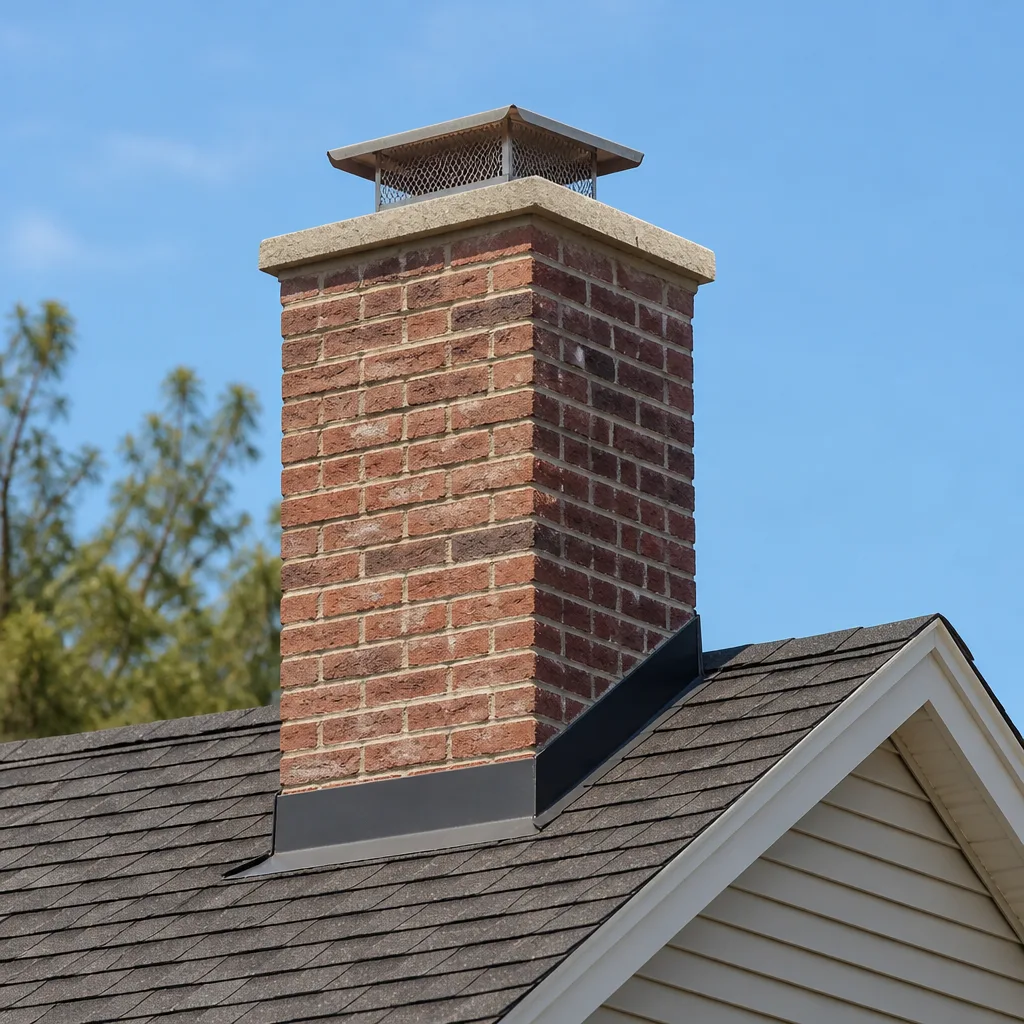 Masonry repair
 Gas fireplace service
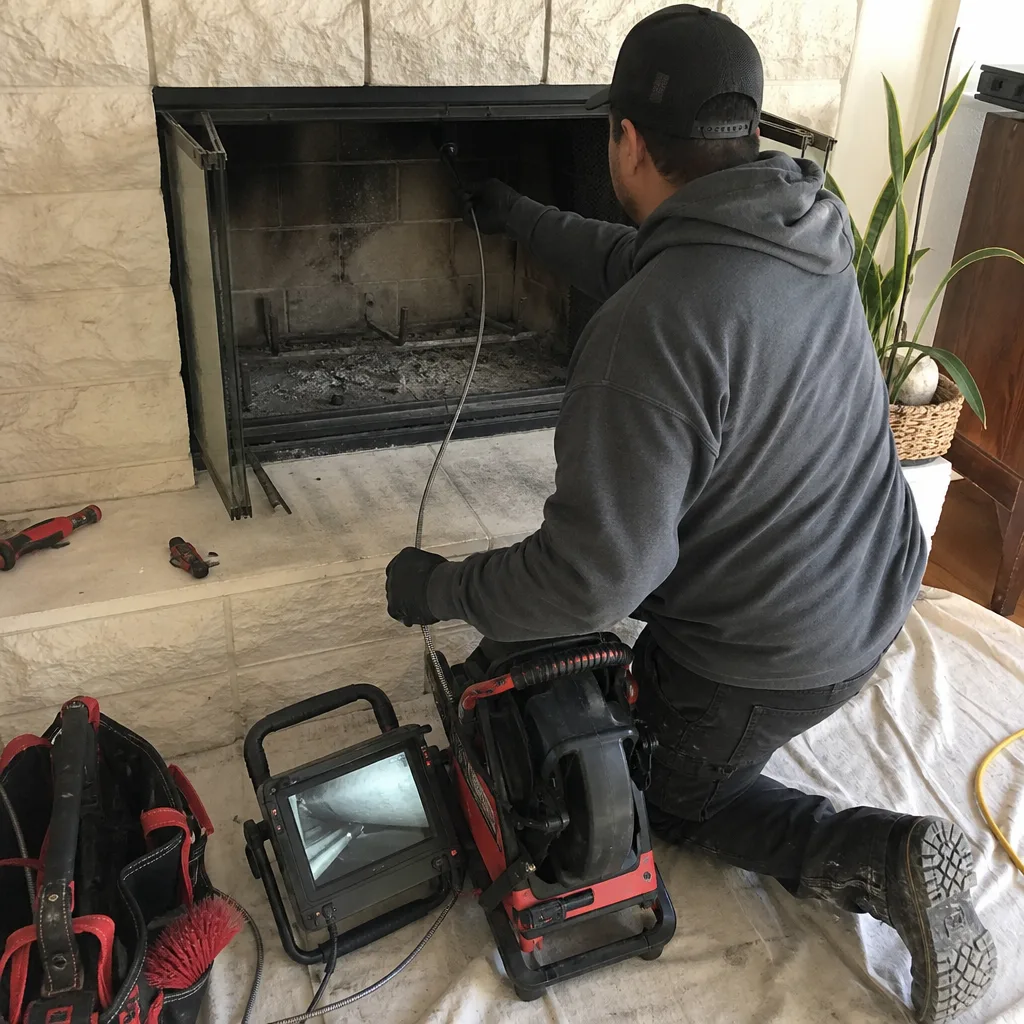
Level 1 sweep and inspection to the NFPA 211 annual standard - flue, crown, cap, and flashing checked and photographed
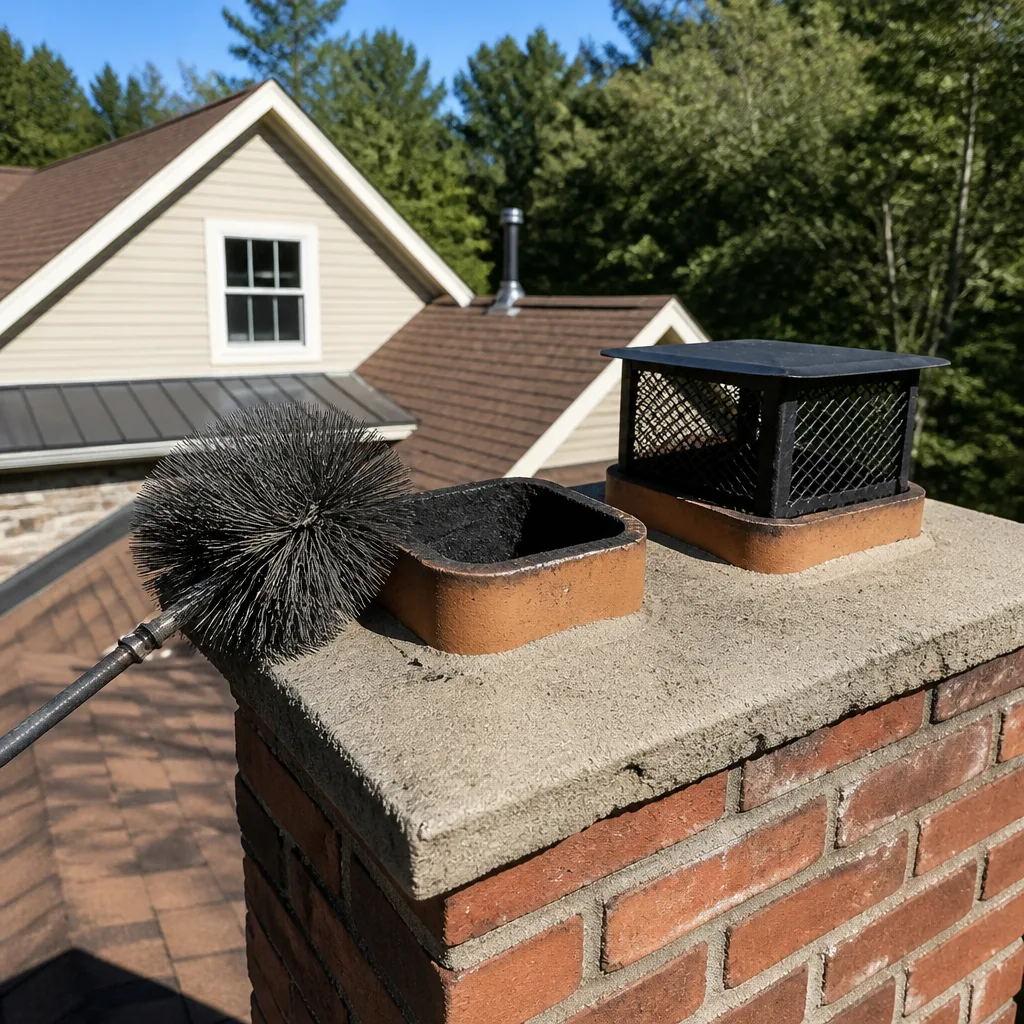
Chimney sweep logs do not sweep chimneys. They loosen some creosote - which then falls where a brush and vacuum still have to collect it.
How to Hire a Chimney Cleaning Contractor in Cypress: A Step-by-Step Guide
Most homeowners hire a chimney sweep the way they hire a gutter cleaner: find a name, check the price, book the appointment. That approach works fine until the day it doesn’t. A cleaning receipt from an uncertified contractor has little value if you ever have to file a fire-related insurance claim, because the paperwork won’t establish who did the work, what they found, or whether the system was sound when they left. In Cypress, where mild winters mean fireplaces get used in short, heavy stretches rather than all season long, the gap between a real inspection and a quick brush-out tends to stay hidden for years. This guide walks you through vetting a chimney contractor the way an insurance adjuster would read your file, step by step, from the first phone call to the signed scope of work.
Quick Answer
To hire a chimney contractor in Cypress, verify three things before anyone touches your chimney: current CSIA or NFI credentials (checked online, not taken on faith), an active CSLB license appropriate to the scope of work, and a written scope of work that names what will be cleaned, what will be inspected, and how findings will be documented. A legitimate contractor will hand you all three without being pushed. One who dodges any of them is telling you something.
Styles & brands we work with
- Sweep & inspection
- Caps & crowns
- Flue relining
- Masonry repair
- Gas fireplace service
Table of Contents
- Step 1: Verify the Credentials That Actually Matter
- Step 2: Check California Licensing the Right Way
- Step 3: The Five Phone-Call Questions
- Step 4: Get a Written Scope of Work
- Step 5: Understand What an Inspection Should Cover
- Step 6: Know the Cypress-Area Red Flags
- Step 7: Build a Maintenance Rhythm for a Mild-Winter Climate
- Step 8: Keep Records Your Insurer Would Accept
Step 1: Verify the Credentials That Actually Matter
Two credentialing bodies carry real weight in this trade: the Chimney Safety Institute of America (CSIA) and the National Fireplace Institute (NFI). The CSIA certifies chimney sweeps; the NFI certifies hearth professionals, including those who work on fireplace and venting systems. Neither is a license, but both require testing and continuing education, and both maintain public directories where you can confirm a name in about two minutes. Ask for the certification number and look it up yourself rather than accepting a logo on a truck.
Here’s what to check, in order:
- Ask for the technician’s name and certification number. A certified sweep carries a card and knows the number.
- Search the CSIA’s certified sweep directory online and confirm the listing is current, not lapsed.
- If the work involves a fireplace insert or venting, check the NFI directory for the relevant certification.
- Ask whether the technician doing the work is the person whose name you verified. Certifications attach to individuals, not to a company name on a magnet.
In our experience, the moment you ask for a certification number, the conversation changes. Contractors who hold credentials recite them without hesitation. The ones who don’t will pivot to price, or to a story about how “the certification doesn’t mean anything.” That pivot is your answer. Cypress homeowners use their fireplaces often enough that the sweep who shows up should be someone whose training you can confirm, not someone whose card you can’t find.
The reason this matters more than it seems: an uncertified sweep can clean a flue without understanding what he’s looking at inside it. Cracks, gaps in the liner, or a crown that’s pulling away from the flue aren’t visible from the hearth, and a technician without training has no framework for recognizing them. You end up with a clean-looking chimney and an unresolved problem.
Step 2: Check California Licensing the Right Way
California handles chimney work differently than most states, and this is where a lot of Cypress homeowners get caught. Basic chimney sweeping generally doesn’t require a contractor’s license in California, but repair work, liner work, crown work, and masonry do. That split matters: a company that’s legal to sweep your flue may not be legal to reline it, and some outfits blur that line when they find a problem they want to fix.
Before you hire, do this:
- Pull up the Contractors State License Board (CSLB) website and search the company name or license number.
- Confirm the license is active and in good standing, not suspended or expired.
- Ask what classification covers the repair work being quoted. Chimney repair and relining fall under general building or specialty classifications rather than a chimney-specific one, so expect a clear, specific answer about which class applies to your job.
- Confirm the company carries general liability insurance. A licensed contractor should be able to provide a certificate.
Here’s the practical rule: sweeping and inspection are one conversation, repair and relining are another, and the second one needs a license. If a contractor quotes you a liner replacement without being able to show a CSLB license, that’s not a technicality. If something goes wrong with that installation, you have no licensing board to turn to and your insurer has a documented irregularity to point at. In Cypress and across Orange County, the contractors who do this work properly will volunteer their license number before you ask.
Step 3: The Five Phone-Call Questions
You can separate a full-system specialist from a cleaning-only crew in one short phone call, before anyone schedules a visit. The trick is to ask questions that a brush-and-go operator can’t answer without revealing that the job description doesn’t match. Here are the five we’d ask:
- “What’s included in the sweep?” A specialist describes the firebox, damper, smoke chamber, flue, and cap. A cleaning-only crew says “we brush the flue.”
- “Do you do the repair work yourselves, or refer it out?” If the answer is “we refer that,” you’ll be sourcing a second contractor after the inspection. You want one company accountable from inspection through repair.
- “How will you document what you find?” Look for a camera inspection and a written or photographic report. “We’ll let you know” is not documentation.
- “Who does the work, and what are their credentials?” You’re checking that the certified technician you verified is actually the one arriving.
- “Can you show me your license and insurance before we book?” A licensed and insured contractor answers this without friction.
We ask homeowners to treat this like a short interview, not a price-shopping call. The contractor who answers all five clearly is usually the one whose estimate you can trust. The one who gets defensive on question two is telling you that finding the problem and fixing the problem are two separate businesses, and you’ll be the one coordinating between them. That coordination gap is exactly where insurance claims get murky after a fire.
Step 4: Get a Written Scope of Work
No one should start work on your chimney without a written scope of work in hand. This isn’t bureaucracy. It’s the document your insurer will read if there’s ever a claim, and it’s the document that keeps the job from drifting. A proper scope of work spells out what’s being cleaned, what’s being inspected, what’s being repaired, and what it costs, all before a brush comes off the truck.
A solid scope of work includes:
- The specific components covered: firebox, damper, smoke chamber, flue, crown, cap.
- The type of inspection being performed and whether a camera is used, including photos you’ll receive.
- A line-item breakdown of any recommended repair, separated from the cleaning charge.
- The written, flat price for the job as agreed before work begins, so there’s no moving target once the chimney is open.
- What happens if the inspection turns up something not in the original scope, and how that’s priced.
Three omissions signal a low-quality operator, and they show up again and again. First, no mention of a camera inspection: if the report is verbal only, there’s nothing to review later. Second, a single lump-sum price with no separation between cleaning and repair, which makes it impossible to tell whether you’re being sold work you don’t need. Third, no stated components: “sweep chimney” written on a receipt is not a scope of work, and it won’t hold up as a record. If the quote you receive leaves any of these out, ask for a revised one. A specialist won’t balk at putting the details in writing.
Step 5: Understand What an Inspection Should Cover
An inspection is the part of the job you’re really paying for, and it’s the part a lot of cleaning-only crews skip or shortcut. A proper inspection examines the entire chimney system, not just the flue: the firebox and fireplace, the damper, the smoke chamber, the flue and its liner, the crown at the top, and the cap. The point is to find structural problems before they become safety problems, and to document them so you can act on them with confidence rather than guesswork.
Expect the technician to run a camera down the flue, because the interior is where the important findings live: cracks in the liner, gaps at the joints, and signs of previous damage that a brush passes right over. When the inspection is done, you should get photos and a plain-language summary of what was found. If a contractor tells you that you need thousands of dollars of liner or masonry work without showing you the evidence, push back. You should be able to see exactly what they saw before you agree to anything, and a specialist will be glad to show you. There’s also a flip side worth stating: good inspectors tell you when work can safely wait. Not every finding is urgent, and a contractor who frames everything as an emergency is reading from a sales script, not an inspection report.
This is where having one company handle both inspection and repair pays off. From the firebox to the chimney cap, we handle it, which means the team that documents a finding is the same team qualified to fix it. No referral, no second contractor to brief, no gap in the record. When you’re working with a chimney repair specialist who also inspects, the paper trail stays continuous, and that continuity is what an insurer reads most closely.
Step 6: Know the Cypress-Area Red Flags
The Cypress and Orange County market has a few warning signs that show up so reliably they’re worth naming. The most common is the door-hanger or flyer offering a $49 sweep. Ask yourself what that price actually delivers: a brush down the flue by someone without certified training, no camera, no documentation, and a strong incentive to “find” a problem once they’re inside, because the sweep itself doesn’t cover the cost of the visit. The low price is the bait; the upsell is the business model.
Watch for these, especially around Cypress:
- Door-hanger and flyer sweeps at teaser prices. No certification, no license for the repair they’ll inevitably recommend, no written scope.
- Pressure to buy a liner on the spot. “It’s unsafe, we can do it today” without photos or a written report is a sales tactic, not a safety finding.
- No CSLB license for repair work. Legal to sweep, not legal to reline, and quoting relining anyway.
- Verbal-only findings. If they won’t put it in writing, there’s nothing for you or your insurer to review.
- Quotes that block camera evidence. A contractor who resists showing you the flue interior is hiding the basis of the recommendation.
The neighborhood context matters here. In established Cypress communities, homes tend to have chimneys that are old enough to have real findings, which makes the difference between an inspection and a sales pitch especially important. A specialist who works with professional-grade brands like Copperfield and HeatShield can back up a repair recommendation with the right materials for the job, and can show you why a generic building-supply substitute isn’t the answer for crown or cap hardware. When the parts are purpose-built for chimneys, the recommendation is easier to justify and easier to verify.
Step 7: Build a Maintenance Rhythm for a Mild-Winter Climate
Cypress winters are mild, and that shapes how often your chimney actually needs attention. A mild climate means you’re probably not burning wood every night from November through March the way a colder region would. Instead, fireplace use tends to come in shorter, heavier bursts: a few cold evenings, a holiday stretch, then long gaps. That pattern has a specific consequence. Creosote builds up during the burns and then sits, and because the chimney isn’t in constant use, problems in the crown and cap have long idle months to worsen without anyone noticing.
A sensible rhythm for this area looks like:
- Annually, before your burning season starts. A sweep and inspection at the front end of the season catches buildup and structural issues before you light the first fire.
- Any time you notice a change. New draft problems, a smoky smell, or visible damage at the cap warrant a look, regardless of the calendar.
- After a heavy stretch of use. If you burn through a lot of wood in a short period, the creosote load climbs faster than the calendar suggests.
- On a schedule tied to the wood you burn. Seasoned, dry wood produces less creosote than green or unseasoned wood, so heavy green-wood burning calls for more frequent checks.
A sweep is booked, not dispatched in a panic, so the smart move is to schedule before the season rather than during it. The urgency here is seasonal, not hourly. Booking a chimney sweep in late summer or early fall keeps you ahead of the rush and gives you time to address anything the inspection turns up before you need the fireplace.
Step 8: Keep Records Your Insurer Would Accept
The single most overlooked part of hiring a chimney contractor is the paper trail, and it’s the part your insurance adjuster will scrutinize if there’s ever a fire. An adjuster reading a claim wants to know who did the work, what credentials they held, what they inspected, what they found, and what was recommended and declined. A contractor’s handwritten receipt with a first name on it answers none of those questions well. A certified contractor’s written report with photos, a license number, and a documented scope answers all of them.
Build the file as you go:
- Keep the written scope of work from before the job started.
- Keep the inspection report and photos, not just the receipt.
- Keep proof of the contractor’s license and insurance on file with the paperwork.
- Note any recommended repair you chose to defer, along with the reason.
- Store it somewhere you’ll actually find it, the same place as your homeowner’s policy documents.
This is the heart of the adjuster’s-eye view. Hiring the wrong contractor doesn’t just waste money on a substandard job; it leaves a gap in the record that can complicate a claim precisely when you need the record most. A fire-related insurance claim is stressful enough without having to explain why the only proof of your last sweep is a door-hanger flyer. When the team that inspects is the same team qualified to repair, and everything is documented in writing with camera evidence you can see, the file stands on its own. That’s the standard to hold any contractor to before you let them near your chimney.
Common Mistakes to Avoid
- Hiring on price alone. A $49 sweep pays for a brush, not an inspection, and the low price usually comes back as an aggressive upsell once the technician is inside. You save nothing and lose the record.
- Skipping the CSLB check on repair work. Sweeping may not need a license in California, but relining and masonry do. Confirming an active license takes two minutes and tells you whether the repair quote is even legal to perform.
- Accepting a verbal inspection. If findings aren’t in writing with photos, you have nothing to review, nothing to compare against a second opinion, and nothing for an insurer to accept.
- Letting a cleaning-only crew talk you into a liner. A crew that doesn’t do relining itself has no business diagnosing whether you need one. Get the finding from a company that can show evidence and do the work.
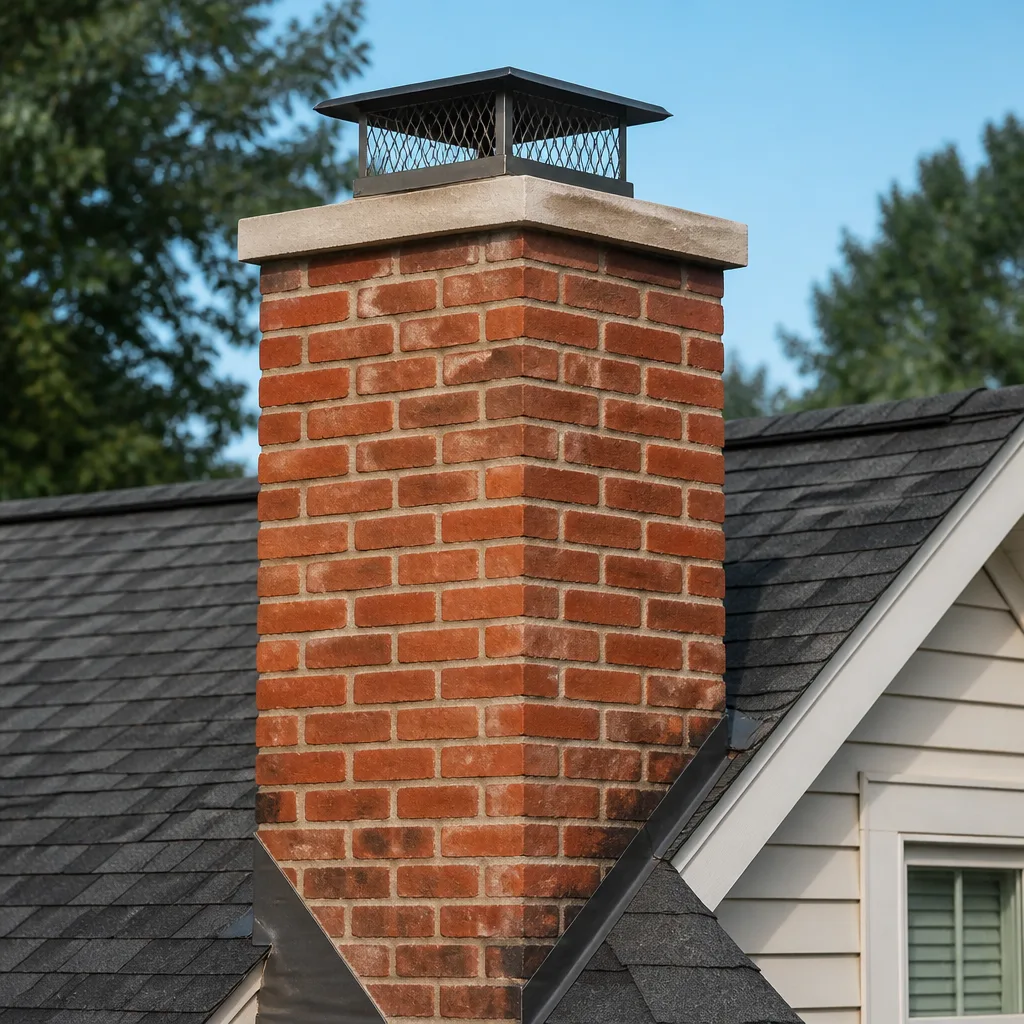
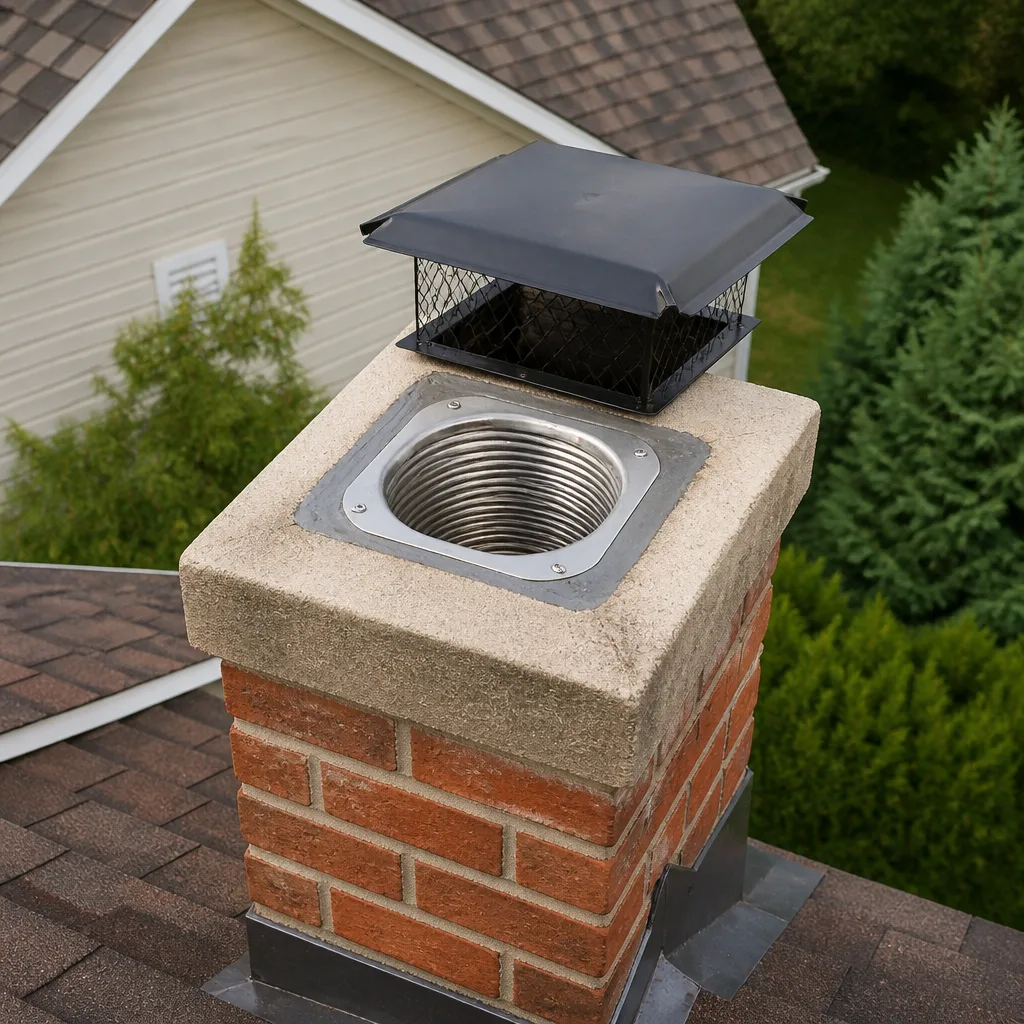
- Ignoring the cap and crown in a mild climate. The weather protection on top of your chimney takes a beating year-round in Cypress, and long idle months between burns give small failures time to become structural ones.
- Booking mid-season instead of before it. A sweep is a scheduled service, and waiting until you need the fireplace puts you in line behind everyone else who did the same thing.
- Throwing away the report and keeping only the receipt. The receipt proves you paid. The report is what protects you if there’s ever a claim.
See the difference
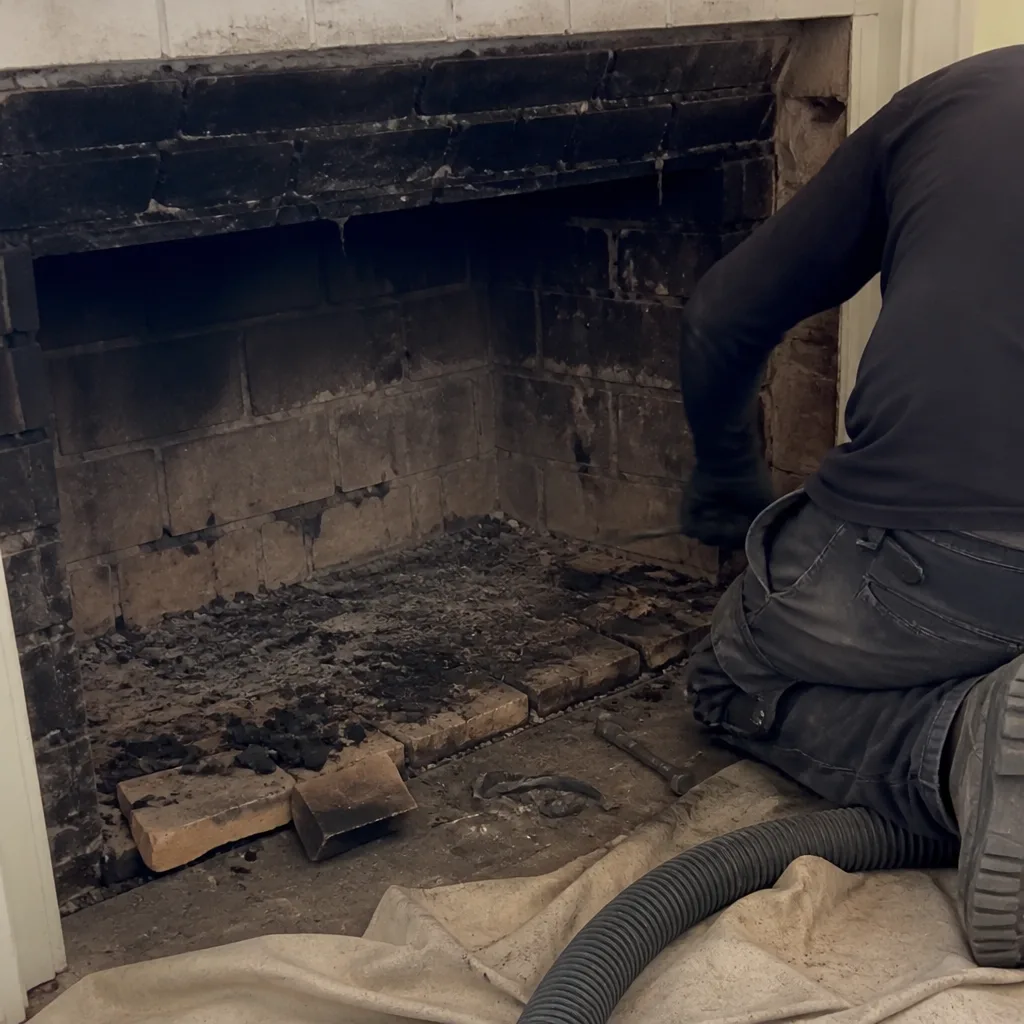 Before
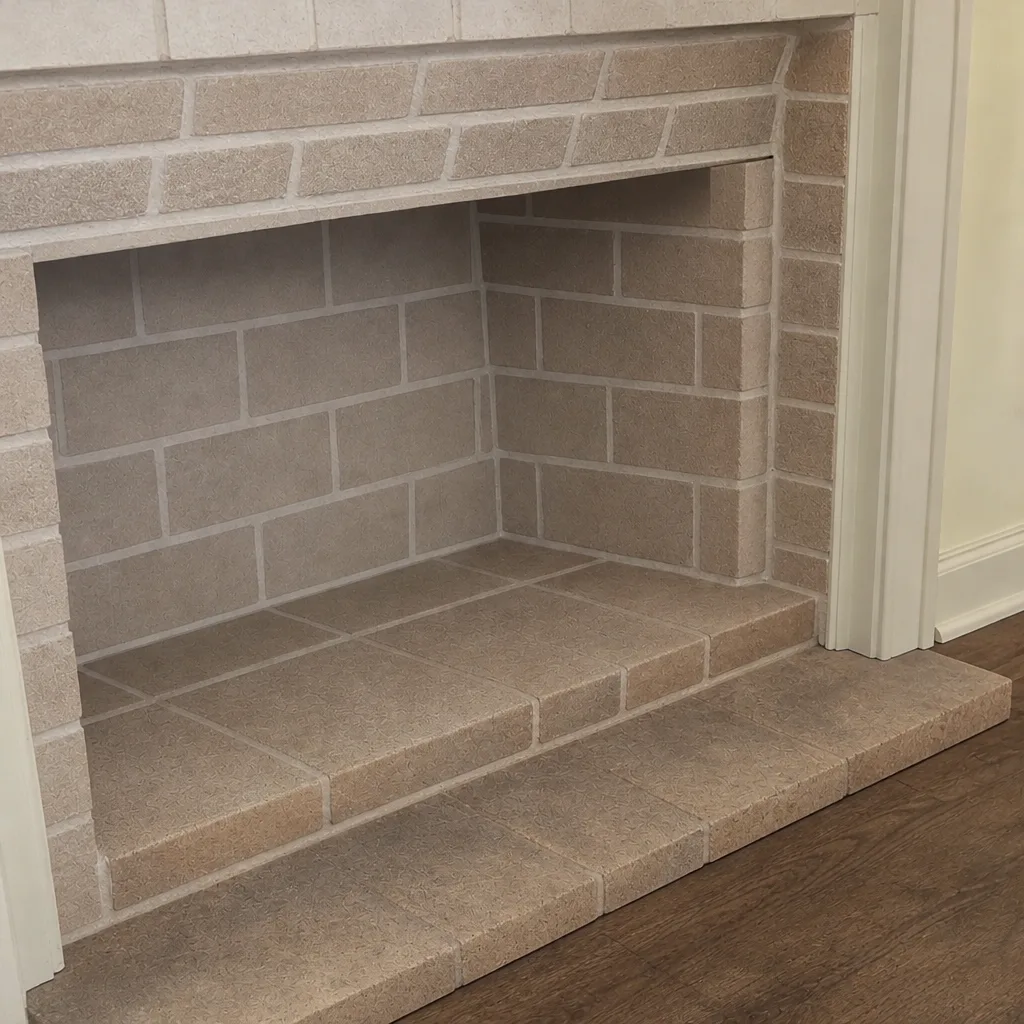 After
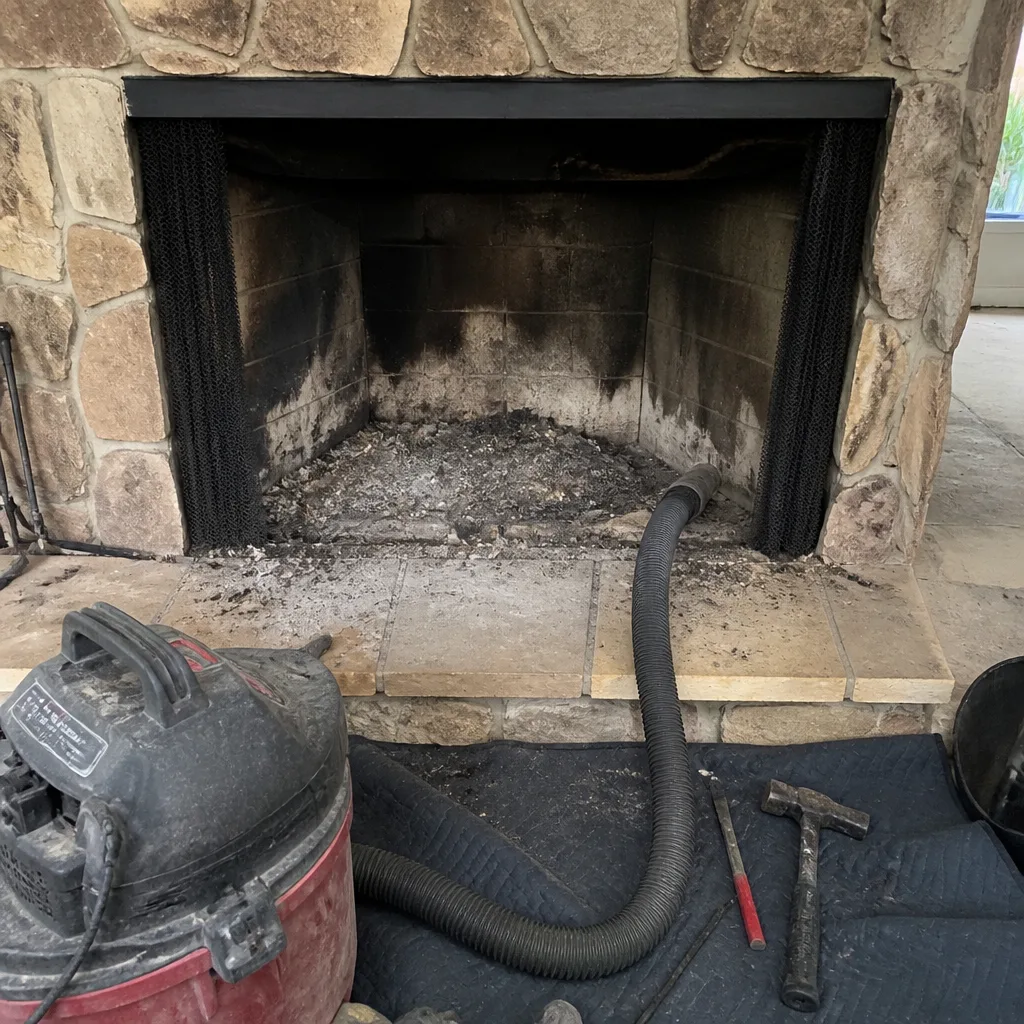 Before
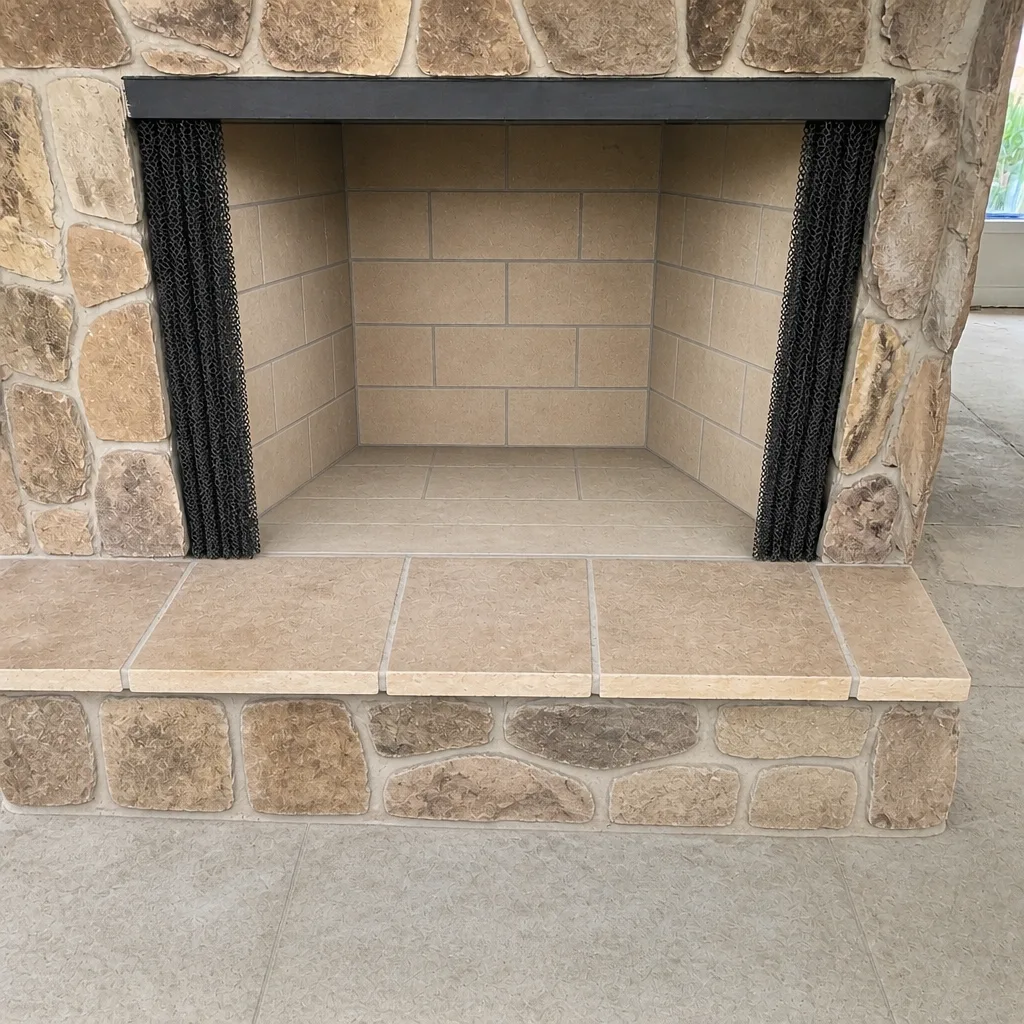 After
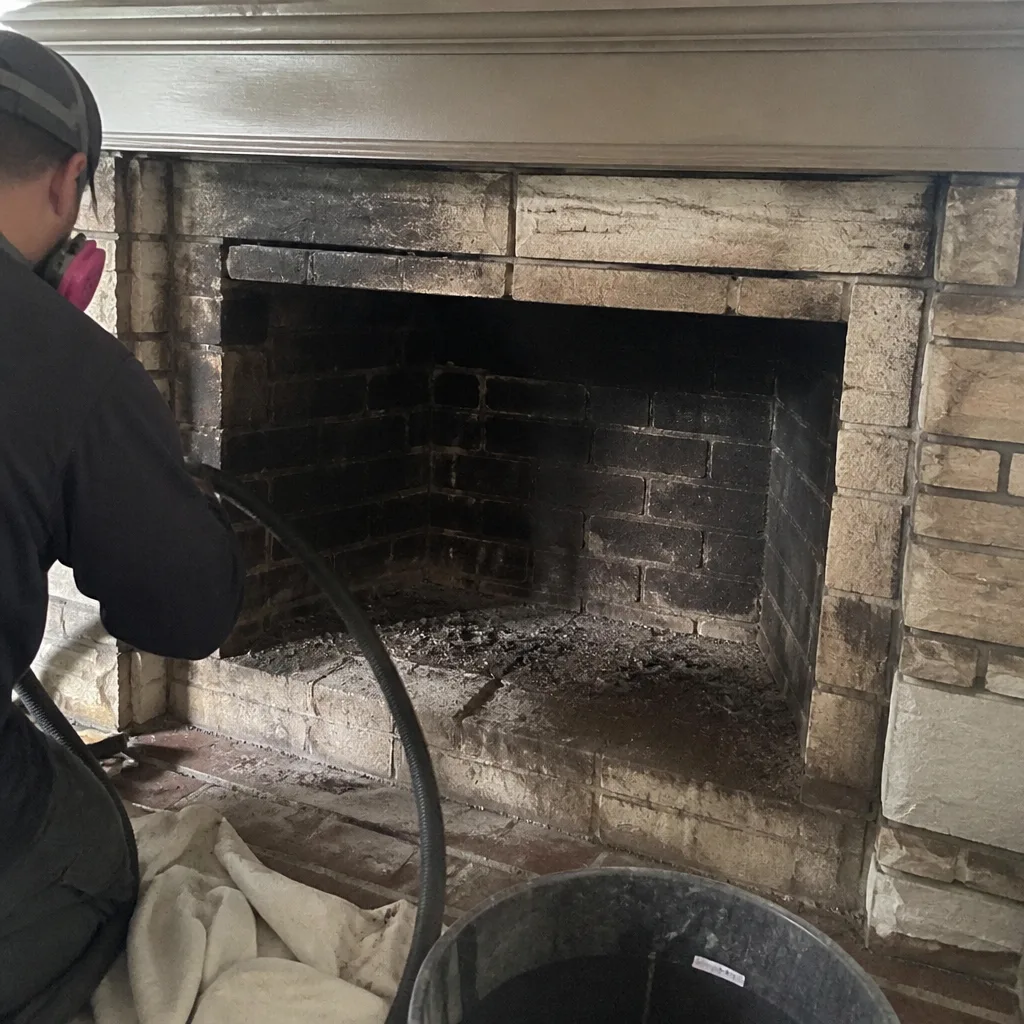 Before
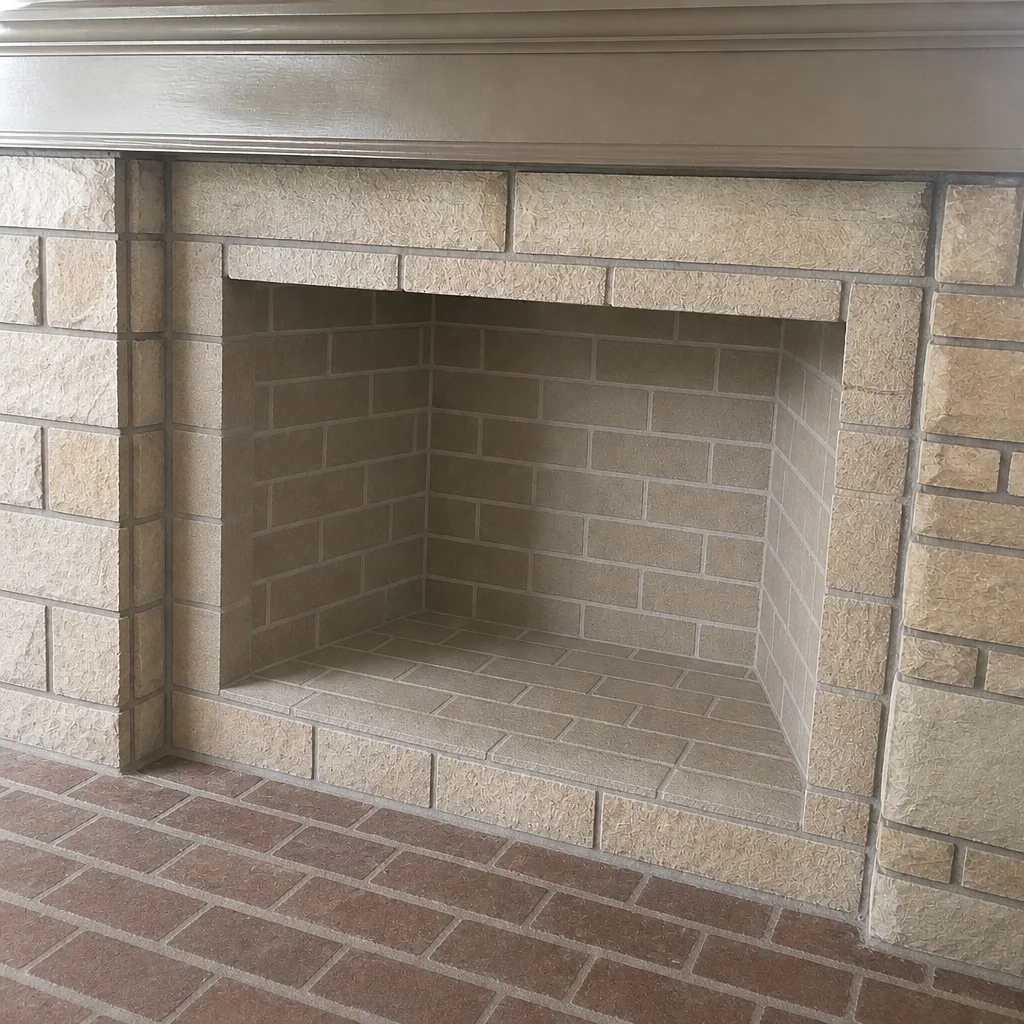 After
When to Call a Professional
Some situations call for a certified contractor rather than a wait-and-see approach. Book a professional sweep and inspection if you’ve never had the chimney serviced, if it’s been more than a year since the last visit, or if you’re about to start a burning season and don’t have a recent report. Call sooner if you notice a strong smoky smell when the fireplace isn’t in use, if smoke rolls back into the room instead of drafting up, if you can see cracked or missing mortar at the crown, or if the cap is loose or damaged. Any of these is a reason to have the system looked at by a trained technician, because the interior of a flue doesn’t reveal itself from the hearth. Cypress Chimney Sweep Pros offers free estimates in Cypress. Call (877) 492-3411. We answer 24/7. Fast dispatch from 7am to 7pm, Sunday through Friday.
Frequently Asked Questions
A chimney sweep in Cypress is priced per job by a written estimate, and the estimate itself is free, so you’ll know the flat price before anyone books the work. Pricing depends on the components involved and whether an inspection with camera documentation is included in the scope. We set the price in writing before the job starts so there’s no moving target once the chimney is open. Call (877) 492-3411 for an exact quote – estimates are free.
You need a new liner only if the inspection shows your existing liner is cracked, gaping at the joints, or otherwise failing, and you should see the camera evidence yourself before agreeing to anything. A liner is a safety component, not a routine upsell, and a specialist will show you exactly what they saw and explain why it can or can’t wait. If the finding isn’t visible on camera, don’t buy on a verbal recommendation. Call (877) 492-3411 for an exact quote – estimates are free.
Most chimneys should be swept and inspected once a year, timed to the start of your burning season. In Cypress’s mild climate, fireplace use comes in shorter, heavier bursts, which means creosote builds up and then sits between burns, and it’s easy to lose track of when the last service happened. If you burn a lot of wood in a short stretch, or you notice a change in draft or smell, don’t wait for the calendar. Call (877) 492-3411 for an exact quote – estimates are free.
Skipping service lets creosote accumulate and lets structural problems in the liner, crown, or cap go unnoticed, and both of those are real safety concerns rather than cosmetic ones. Creosote is the fuel in a chimney fire, and a failing liner or crown can let heat and gases reach places they shouldn’t. Beyond safety, a missing service record is a gap your insurer may question after a fire. It’s a scheduled service, not an emergency, so the fix is simply booking before the season. Call (877) 492-3411 for an exact quote – estimates are free.
Ask for a current CSIA certification number (or NFI certification if fireplace and venting work is involved), an active CSLB license for any repair or relining work, and proof of general liability insurance. Then verify the credentials yourself through the CSIA, NFI, and CSLB online directories rather than trusting a logo. A legitimate contractor will hand you all of it without being pushed. Call (877) 492-3411 for an exact quote – estimates are free.
A $49 sweep is usually a teaser price that covers a quick brush-out without certification, camera inspection, or written documentation, and it often comes with pressure to buy repair work once the technician is inside. The low price doesn’t cover the visit, so the upsell is where the money is made. What you’re really buying at that price is a missing service record. Call (877) 492-3411 for an exact quote – estimates are free.
The Bottom Line
Hiring a chimney contractor in Cypress comes down to reading the file the way an adjuster would. Verify the credentials online, confirm the CSLB license for any repair work, ask the five questions on the phone, and insist on a written scope of work and camera-documented inspection before anyone starts. Know the local red flags, especially the teaser-price sweep, and treat the paperwork as part of the job rather than an afterthought. A specialist who inspects and repairs with professional-grade materials and documents everything is the one whose record protects you. Your entire chimney system, cleaned, inspected, and protected, from the firebox to the cap: that’s the standard, and there’s no reason to accept less in Cypress.
At Cypress Chimney Sweep Pros, we handle the complete chimney and fireplace system with professional-grade materials from brands like DuraFlex, HeatShield, Gelco, and Copperfield. Our technicians have up to 10 years of experience, we provide free estimates, and the team that inspects your chimney is the same team qualified to repair it. We find the problem, then we fix it, with no referrals and no runaround. For fireplace repair and everything above it, from the firebox up through the flue, liner, crown, and cap, we cover it. Call (877) 492-3411. We answer 24/7. Fast dispatch from 7am to 7pm, Sunday through Friday, and we’re closed Saturday. For a full-system look at how we work, start with Cypress Chimney Sweep Pros – chimney specialists, not generalists.
Written by the team at Cypress Chimney Sweep Pros.