
Last updated November 25, 2026
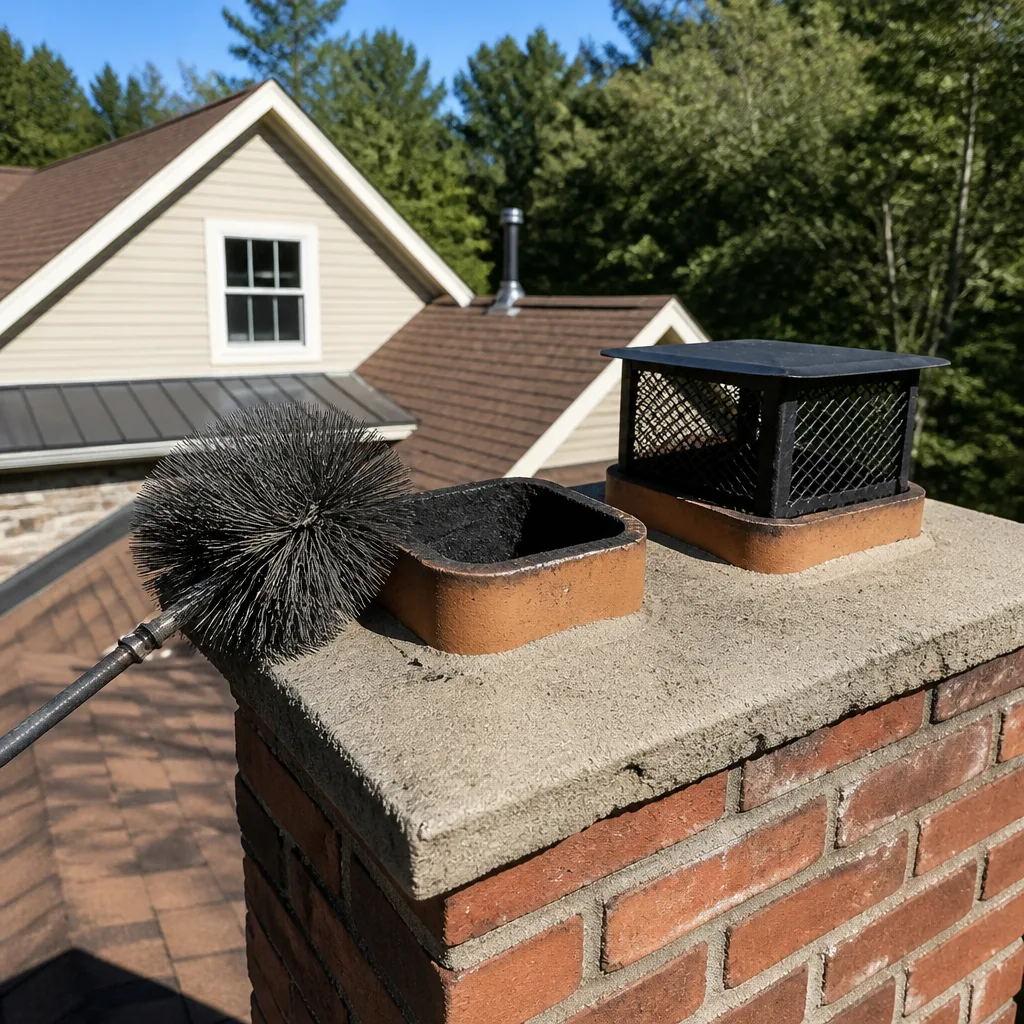 Sweep & inspection
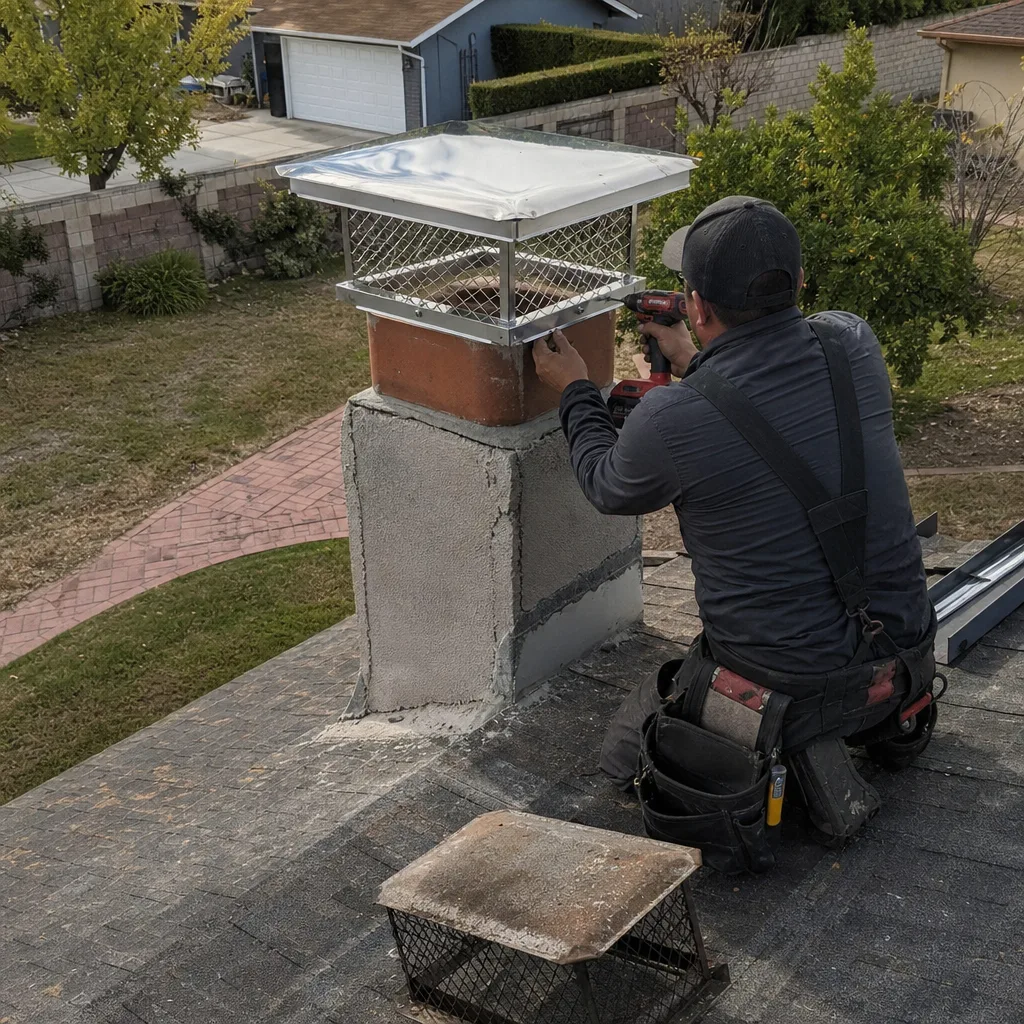
 Caps & crowns
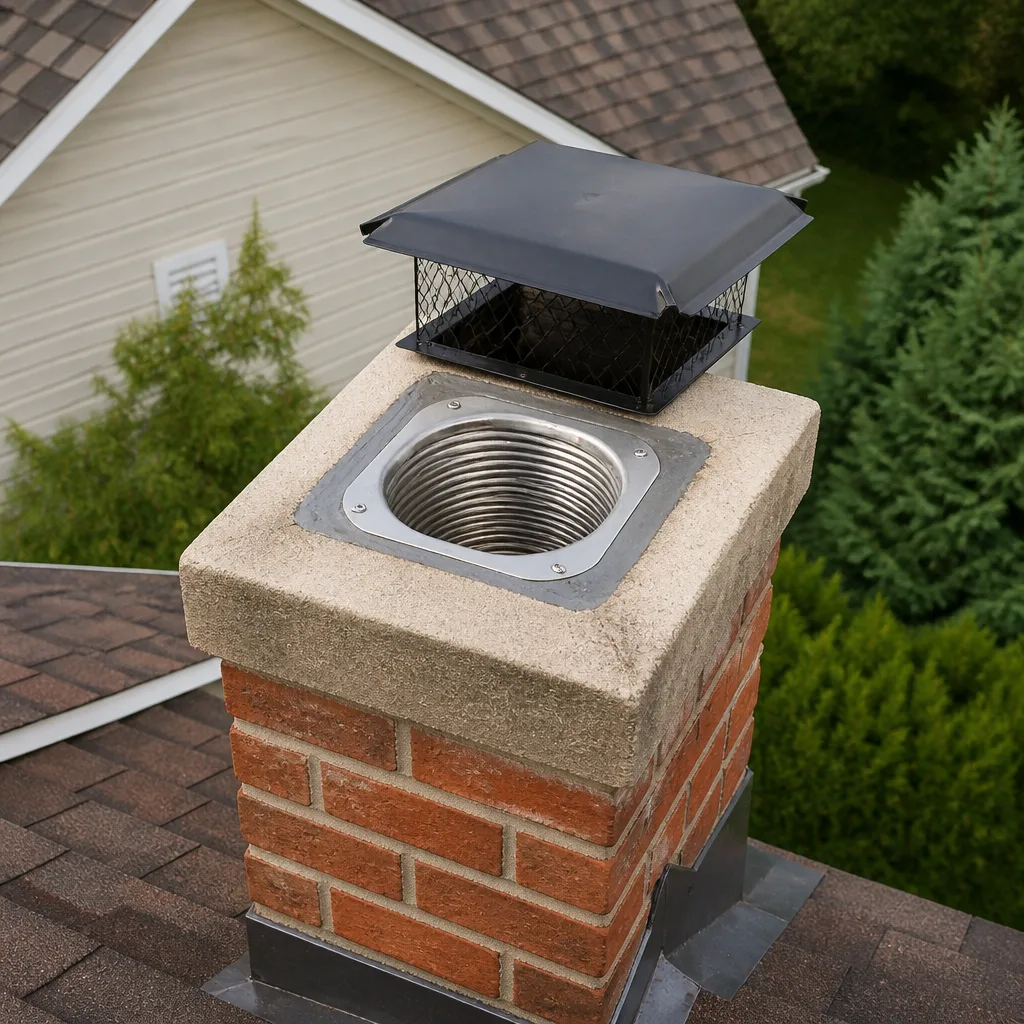 Flue relining
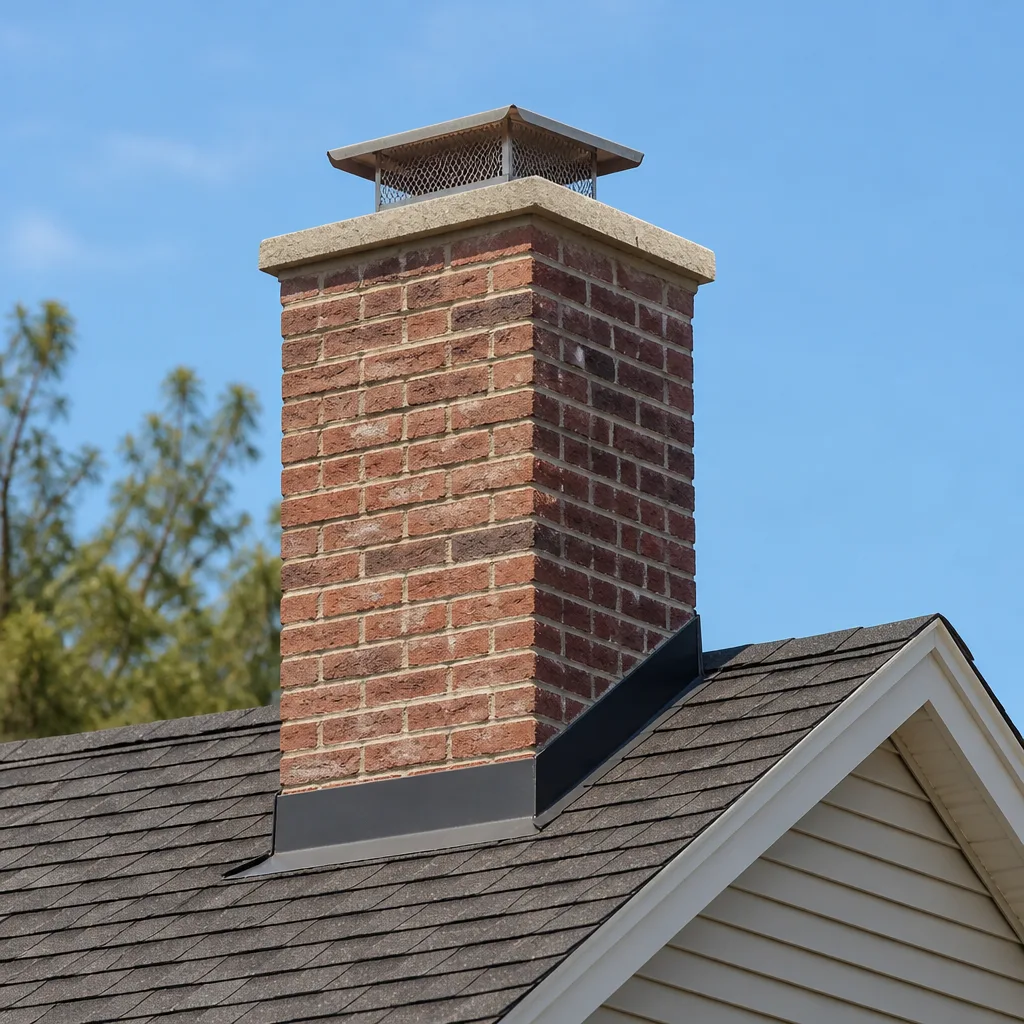 Masonry repair
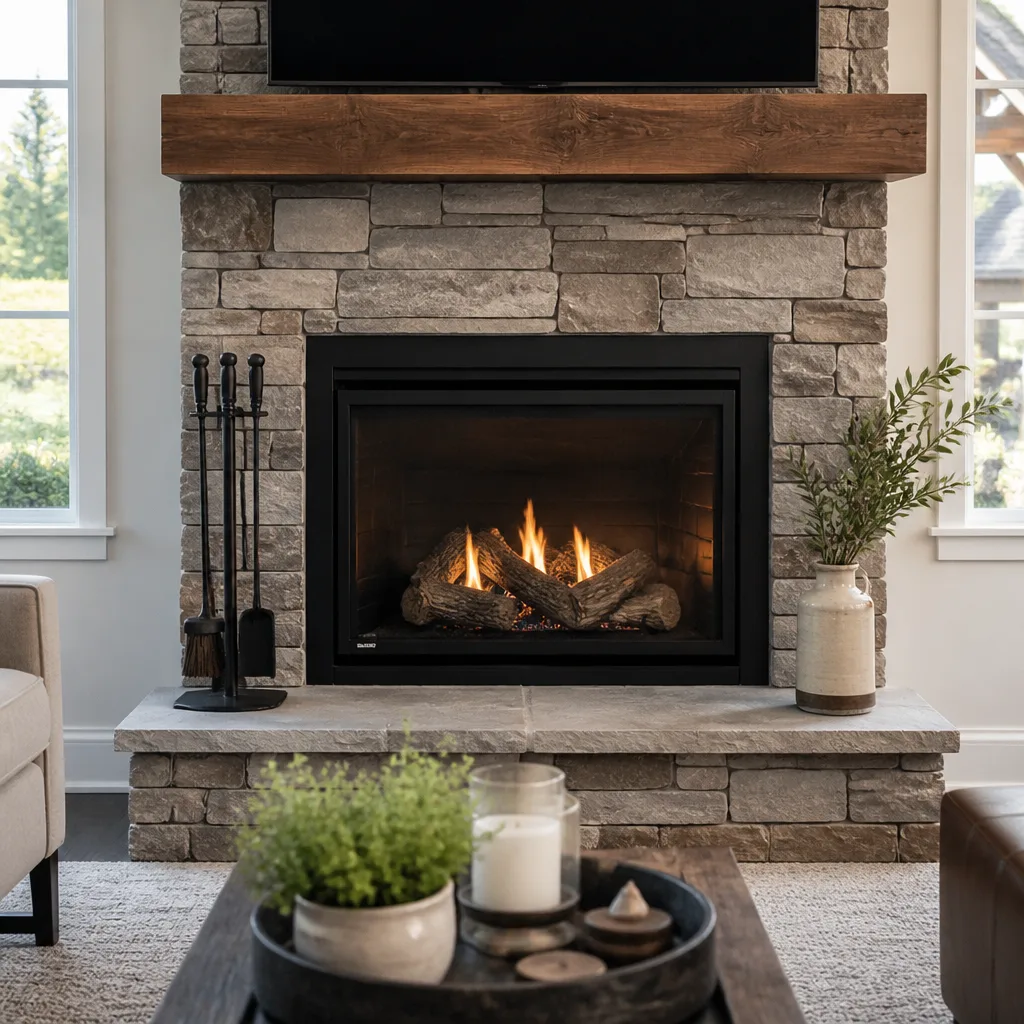 Gas fireplace service
Level 1 sweep and inspection to the NFPA 211 annual standard - flue, crown, cap, and flashing checked and photographed
Chimney sweep logs do not sweep chimneys. They loosen some creosote - which then falls where a brush and vacuum still have to collect it.
Chimney Cleaning Cost Breakdown: The Cypress Homeowner’s Reference for 2026
The $89 chimney sweep and the $450 chimney sweep are often quoting completely different services. That’s the part almost nobody explains clearly. One price may cover a quick pass with a brush and a look up the flue. The other may include a video scan of the interior, a check of the smoke chamber, an assessment of the cap and crown, and a written report of what was found. Both get called “a chimney cleaning,” and both arrive on a one-line invoice that gives you no way to compare them. This reference breaks down what actually drives chimney cleaning pricing in Cypress, what the add-on charges mean, and how to read a quote so the number in front of you reflects real scope instead of a headline price with surprises attached.
Quick Answer
Chimney cleaning in Cypress typically costs between about $150 and $350 for a standard wood-burning fireplace sweep, with the final price depending on the flue type, how much creosote has built up, and whether a video inspection or cap work is included. Gas fireplace servicing is often priced separately because the work and the safety checks are different from a wood-burning sweep. A written, itemized estimate should always set the final price before any work begins.
Styles & brands we work with
- Sweep & inspection
- Caps & crowns
- Flue relining
- Masonry repair
- Gas fireplace service
Table of Contents
- Why Chimney Cleaning Prices in Cypress Vary by a Factor of Five
- What’s Inside a Chimney Sweep Quote: A Line-Item Breakdown
- Gas Fireplaces vs. Wood-Burning: Why the Price and the Skill Set Differ
- Cypress-Specific Factors That Change the Scope and the Price
- The Cost of Deferred Maintenance: What Skipping Three to Five Years Really Costs
- How to Read a Chimney Service Quote Like a Specialist
- How a Typical Cypress Chimney Cleaning Appointment Goes
- When to Schedule Cleaning Before Burning Season
Why Chimney Cleaning Prices in Cypress Vary by a Factor of Five
If you collect three quotes for a chimney cleaning in Cypress, you may find numbers as far apart as $90 and $450. That gap isn’t a trick. It reflects genuinely different scopes of work being sold under one common phrase. Understanding the range is the first step toward evaluating it honestly.
Here’s what separates a low quote from a thorough one:
- What gets cleaned. A basic sweep may cover the firebox and the flue only. A full-service cleaning also addresses the smoke chamber, the smoke shelf, and the damper area, which is where a lot of creosote and soot settle and where a brush-only pass can miss.
- Whether an inspection is included. A cleaning without any inspection is a cleaning, not an assessment. A video scan of the flue interior, a look at the cap and crown, and a check on the liner joints all add time and equipment to the job.
- Type of flue. A straight clay-tile flue in a single-story ranch home cleans fast. A prefab fireplace insert with an offset flue or a manufactured chimney system takes longer and needs different tooling.
- Level of creosote. Light, flaky buildup brushes out easily. Glazed, hardened creosote is denser, harder to remove, and may require chemical treatment before the flue can be properly cleaned.
- Documentation. Some companies provide a written report with photos of what they found. Others hand you a receipt. The report takes time and represents real value when you’re making repair decisions later.
The result is that a $90 sweep and a $350 sweep can both be “honest” prices for what they include. The problem is that neither invoice usually explains which scope was sold. That’s the gap this guide fills. We’ve seen it repeatedly in Cypress: homeowners comparing numbers without comparing the line items underneath them.
The takeaway: don’t compare the total. Compare what’s inside it.
What’s Inside a Chimney Sweep Quote: A Line-Item Breakdown
A complete chimney cleaning quote should have recognizable components. Here’s how the typical Cypress pricing breaks down, item by item. All figures are estimates; the written estimate sets the final price.
- Standard wood-burning sweep (firebox, flue, damper): typically $150-$250. This is the base cleaning most homeowners are actually after.
- Smoke chamber and smoke shelf cleaning: often bundled, but may add $50-$100 when the chamber is large, angled, or accessible only from the roof.
- Video scan of the flue interior: typically $75-$150 when sold as an add-on. A camera inspection reveals cracks, gaps, and joint failures a visual check from the top can’t see.
- Cap inspection or replacement: inspection is usually included in a full-service visit. Replacement, when needed, is a separate line item priced by the cap itself and labor to fit it. We work with Famco and Gelco hardware because weather protection deserves purpose-built chimney components, not generic substitutes.
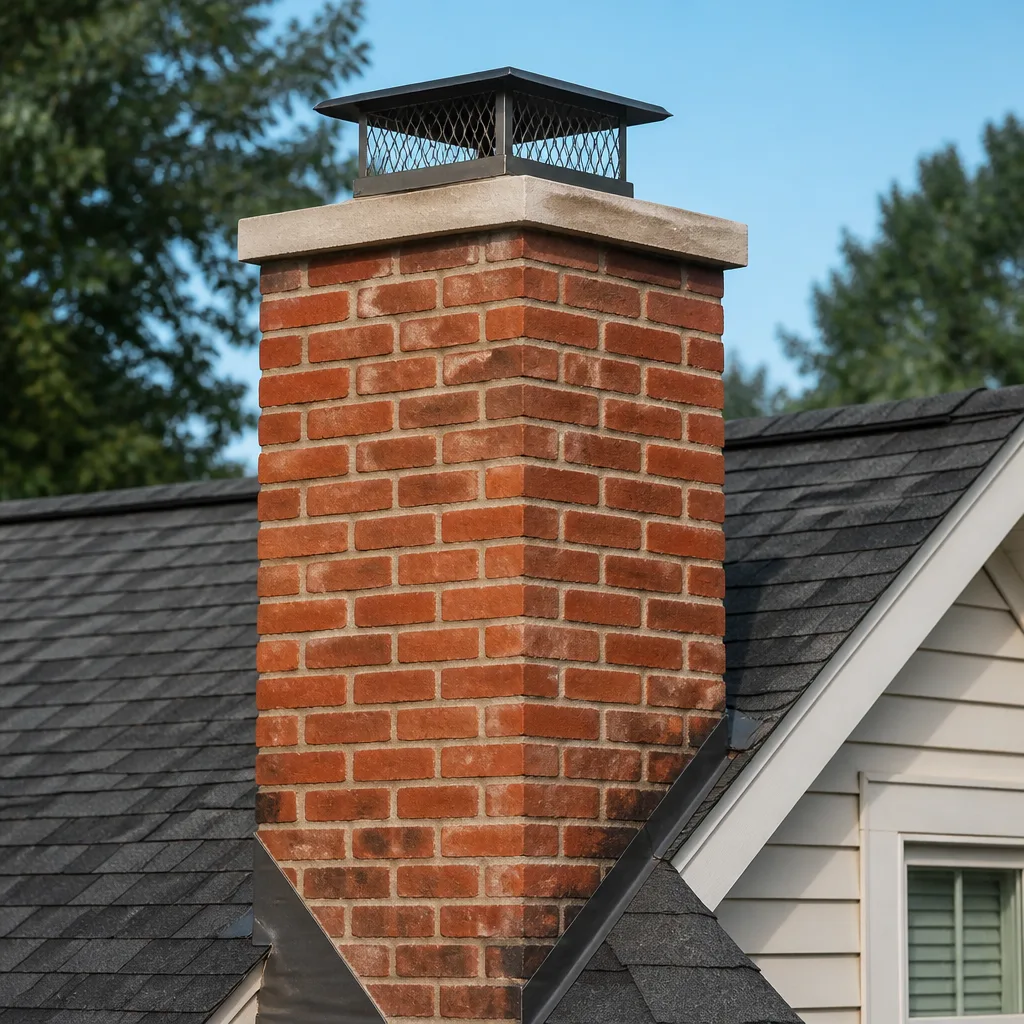
- Crown assessment and repair: the crown is the concrete or mortar cap on top of the chimney. Repair pricing depends on whether it can be re-sealed or needs partial rebuilding.
- Liner inspection and, if needed, resurfacing: this is where HeatShield products come in. Cracked flue tiles can often be resurfaced rather than fully relined, which changes the repair cost considerably.
- Written report with photos: usually included with a thorough service, not a separate charge. Treat it as part of what you’re paying for.
When a quote shows only a single number with no breakdown, you don’t know which of these items you’re buying. That ambiguity is where scope creep and upselling live. A detailed quote makes the comparison honest.
Gas Fireplaces vs. Wood-Burning: Why the Price and the Skill Set Differ
Gas fireplace cleaning in Cypress is priced differently from wood-burning sweep work, and it demands a different skill set. Many companies that call themselves chimney sweeps are set up for wood-burning flues only. They may not be qualified to open up a gas fireplace, check the burner assembly, or verify that the venting is sealed correctly.
Here’s why gas systems cost what they cost:
- The firebox doesn’t get creosote, but it does get other kinds of debris. Gas fireplace servicing focuses on the logs, the burner, the pilot assembly, and the glass. Cleaning is more delicate and more targeted than a flue brush-out.
- Venting needs its own inspection. A gas fireplace relies on proper venting to remove combustion byproducts. That venting has to be checked for blockages and proper draft, which is a different procedure from inspecting a masonry flue.
- Carbon monoxide risk changes the stakes. A wood-burning fireplace with a drafting issue can smoke into a room. A gas fireplace with a venting fault can do worse. Any gas appliance work should be done by a trained professional, and the safety check on a gas fireplace is not optional.
- Manufacturer-specific components. Gas fireplaces are factory-built units with model-specific logs, burners, and gaskets. A company that works across the whole system, not just the flue, can assess and repair what it finds without sending you elsewhere for parts and labor.
In our experience across Cypress, the mid-century single-story ranch homes are more likely to have an older masonry wood-burning fireplace, while the newer tract construction on the west side often includes factory-built gas fireplaces. Those two Cypress households need genuinely different services. Ask any sweep you call which they’re actually set up to service.
Cypress-Specific Factors That Change the Scope and the Price
Chimney work in Cypress isn’t identical to chimney work a county over. The local housing stock, the way these homes are built, and the way the dry season works all shape how long a job takes and what it costs. Here’s what we keep in mind when pricing a Cypress job.
Stucco chimneys. A lot of Cypress homes have stucco-clad chimneys. Stucco looks solid, but over time the edges around the crown and cap can develop hairline cracks where water finds its way in. Once water is behind the stucco, the repair scope grows. That’s why we look at the crown and the stucco transition on every visit, not just the flue.
Single-story ranch layouts. A single-story ranch home puts the flue top at a manageable height. A straight vertical flue in that configuration cleans quickly. Two-story homes or flues with offsets take longer to brush and inspect, and that adds to the labor portion of the price.
Newer tract construction with prefab fireplaces. Many Cypress neighborhoods built in the last few decades use factory-built or prefabricated fireplaces with metal flues. Those systems have their own inspection points (seams, spark arrestor, cap) and their own component specifications. We work with Olympia Chimney components and similar professional-grade parts so a prefab system stays within its manufacturer’s specifications when a repair is needed.
Mild, dry winters. Our mild winters mean less heating demand than in colder parts of the country, but they also mean creosote can sit in a flue for long stretches between uses. That environment encourages buildup if cleaning is skipped, and it also means the dry season is a good time to get ahead of the problem before burning season starts.
None of these factors change the service (the job is still a sweep and inspection), but they change scope. A stucco chimney with a questionable crown is not the same job as a masonry chimney with a clean cap, even if the fireplace is identical.
The Cost of Deferred Maintenance: What Skipping Three to Five Years Really Costs
Skipping chimney cleaning for three to five years doesn’t produce one dramatic failure. It produces a series of slow problems that cost more to fix than a cleaning ever would have. That’s the honest math behind deferred maintenance in a Cypress fireplace.
Here’s what tends to develop when sweeps are skipped:
- Creosote buildup at a level that becomes dangerous. Creosote is the residue wood smoke leaves behind. Over repeated burning seasons it hardens. At the glazed third-degree stage, it’s dense enough that ordinary brushing won’t remove it and a chimney fire risk is established. Cleaning at the light-flaky stage is the low-cost option; cleaning glazed creosote is not.
- Blockages from debris and nesting. Birds, squirrels, and leaves find uncapped or poorly capped Cypress chimneys. A blocked flue forces smoke back into the living space and can push carbon monoxide back into the home. Cap work with a purpose-built Famco or Gelco cap is the containment solution.
- Cracked flue tiles and joint separation. Every hot burn and cool-down cycle expands and contracts the flue tiles. Over years, cracks appear. Small cracks can often be resurfaced with a HeatShield product rather than requiring a full reline. Catching them early is what makes that repair affordable.
- Water intrusion through a failing crown. A crown that’s cracked lets water into the chimney structure. In Cypress, the mild climate means the damage is slower, but the repair scope is the same: crown repair or replacement, and any masonry repair the intrusion has caused.
- Nested repairs that stack. Each problem compounds the next. A failing crown drives water into the flue, the flue cracks, the fireplace drafts poorly, and the homeowner ends up replacing caps, repairing crown, resurfacing the flue, and restoring the smoke chamber all in a single project.
This is why we don’t sell a cleaning alone. The whole system matters: from the firebox and the fireplace up through the flue, liner, crown, and cap. A cleaning is the entry point. What we find with a camera during that cleaning is what we can document with photos, so you can see the condition of your own chimney and decide what to address now and what can wait.
How to Read a Chimney Service Quote Like a Specialist
Reading a chimney service quote is a skill. Here’s how to spot a thorough contractor’s quote and how to recognize the vague language that makes it easy for scope creep or upselling to happen.
The signs of a thorough quote:
- It names each component being serviced. Firebox. Smoke chamber. Smoke shelf. Damper. Flue. Liner. Crown. Cap. If the quote skips any of these, ask why.
- It states whether a video inspection is included. A “spot check with a flashlight” is not the same as a camera scan of the flue interior. A thorough quote lists the camera scan as either included or a priced add-on.
- It says what documentation you receive. A written report with photos is the standard for a full-service visit. That report is what protects you later when you’re deciding whether to move forward with a repair.
- It tells you what isn’t covered. A quote that includes nothing about cap, crown, or liner condition hasn’t assessed those parts, and the quote should say so.
- It identifies the products being used for any repair work. If resurfacing is quoted, the product matters. HeatShield products are specifically designed for flue resurfacing. If cap hardware is quoted, purpose-built brands like Famco, Gelco, or Olympia Chimney reflect chimney-specific engineering rather than generic building supply substitutes.
- It names who does the repair. The inspection team should be the same team that fixes what it finds. A quote that inspects but can’t repair leaves you to source a separate crew for the fix.
The signs of a vague quote:
- “Chimney cleaning and inspection – $X.” No itemization, no scope.
- “Additional work as needed.” This phrase is where surprise charges grow.
- “May include minor repairs.” Which repairs? By whom? With what materials?
- “Standard service.” There is no standard. Every chimney is different.
When we quote a chimney cleaning in Cypress, we list the actual components and the actual scope. We find the problem, then we fix it, no referrals and no runaround. The quote makes clear what’s covered so the number means something you can compare.
How a Typical Cypress Chimney Cleaning Appointment Goes
Here’s how a thorough chimney cleaning visit typically unfolds. This is a general description, not a script, because every Cypress home has its own quirks.
- Initial walk-through. We look at the fireplace, the firebox, the surrounding hearth, and the exterior of the chimney before any tools come out. This is where we notice stucco condition, crown integrity, and cap fit.
- Drop cloth and containment. Before any soot is disturbed, the work area is covered and sealed. This is unglamorous but it’s what separates a professional visit from a mess.
- Firebox and damper cleaning. The firebox floor and walls, the damper assembly, and the smoke shelf are cleaned with the right brushes for the surface.
- Flue brushing from top or bottom. A wood-burning flue is brushed with the appropriate size and stiffness for the flue type. Prefab systems use different brushes than masonry, which is one reason prefab fireplaces need a specialist who works with Olympia Chimney-spec components.
- Video scan of the flue interior. The camera scan checks for cracks, gaps, joint separation, or unexpected blockages. We show the footage and explain the condition in plain language.
- Exterior check: cap, crown, flashing. Cap condition, crown condition, and stucco transitions are assessed and documented. If the cap is missing or failing, we discuss Famco or Gelco replacement.
- Written report with photos. You leave with documentation of what was found. If a repair is needed, you have a clear record of why.
The visit ends with a specific recommendation: what can safely wait, what should be addressed before next burning season, and what should be fixed now. That plain-language conclusion is the whole point of having the inspection paired with repair capability. We never recommend work that the camera footage doesn’t support, and if a repair can wait, we say so.
When to Schedule Cleaning Before Burning Season
The best time to clean a Cypress chimney is before burning season starts, not during it. Once you’re burning regularly, the flue is in use and cleaning becomes more disruptive. Call us in the months before your first fire, and the entire system gets checked on your schedule instead of the calendar’s.
Signs it’s time to book a sweep:
- You can’t remember the last cleaning, or it’s been over a year of active burning.
- You notice black soot inside the firebox, on the glass doors, or on the mantel.
- Smoke drafts into the room instead of up the chimney when you light a fire.
- You smell a smoky odor when you haven’t burned, especially on warm days.
- You’ve never had the flue scanned with a camera.
- You see visible cracks in the flue tiles from the top, or a cracked crown.
During the mild Cypress season, our dispatch runs Sunday through Friday, 7am to 7pm. We book sweeps in advance so the work happens before burning season rather than after a problem shows up. Call (877) 492-3411. We answer 24/7. Fast dispatch from 7am to 7pm, Sunday through Friday.
Common Mistakes to Avoid
- Comparing totals instead of scope. A cheap quote for a fraction of the work isn’t a bargain. Compare what’s inside the number, not the number alone.
- Skipping the camera scan to save money. A visual look from the top can’t see joint separation or cracks inside the flue. The scan is what turns a cleaning into an actual assessment, and skipping it in Cypress is what hides problems until they cost far more to fix.
- Hiring a sweep for a gas fireplace who’s only set up for wood-burning. Gas appliance work requires a different skill set and different safety checks. Ask before you book.
- Relying on generic building-supply caps and crowns. A cap that doesn’t fit the chimney correctly lets debris in and keeps birds out only by accident. Purpose-built Famco and Gelco hardware is what the job calls for.
- Waiting for a repair until the flue tile fails fully. A small crack that could have been resurfaced with a HeatShield product becomes a full reline when it goes unaddressed.
- Accepting an inspection from a company that can’t repair. An inspection that ends in a referral leaves you sourcing the second half of the job yourself. Ask whether the team that finds the problem can fix it.
- Putting off the yearly sweep because “it still burns.” A fireplace can burn fine while creosote accumulates and draft quietly degrades. Functioning today isn’t the same as safe today.
See the difference
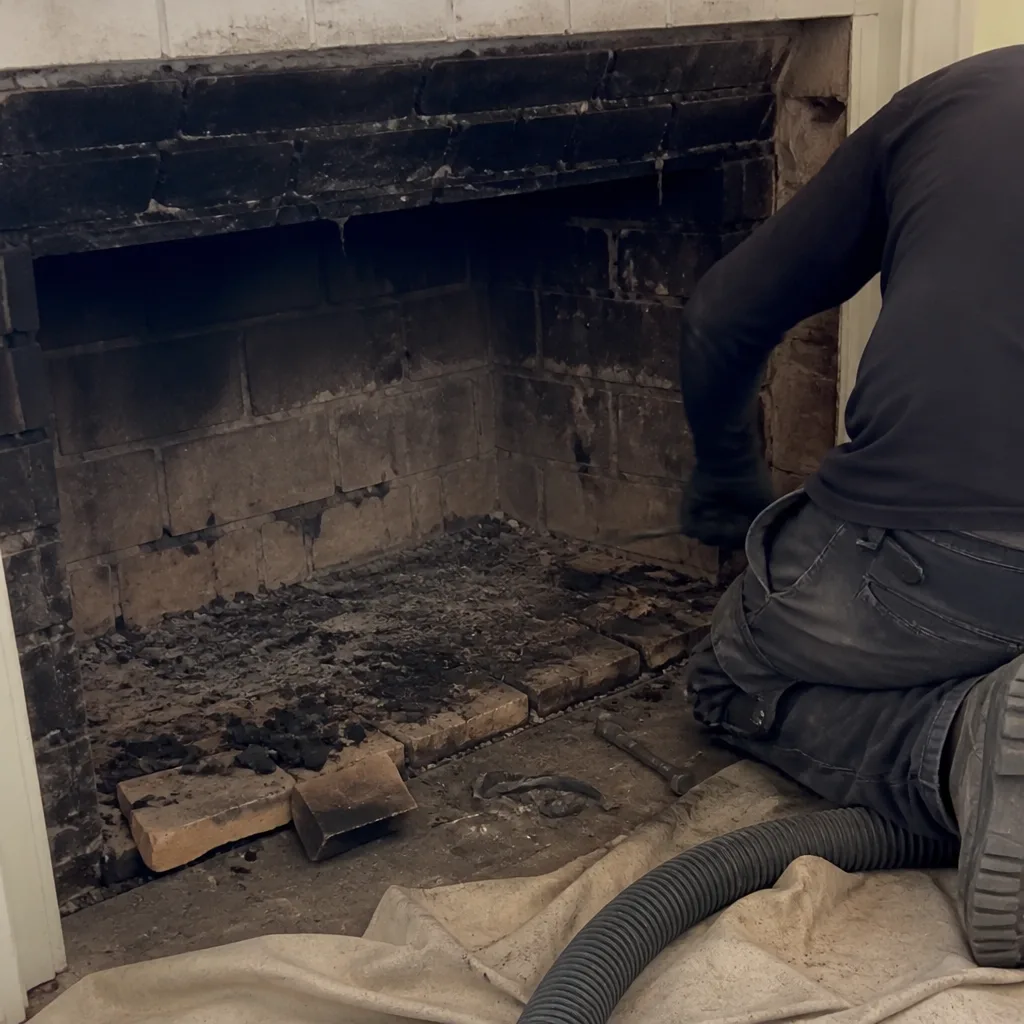 Before
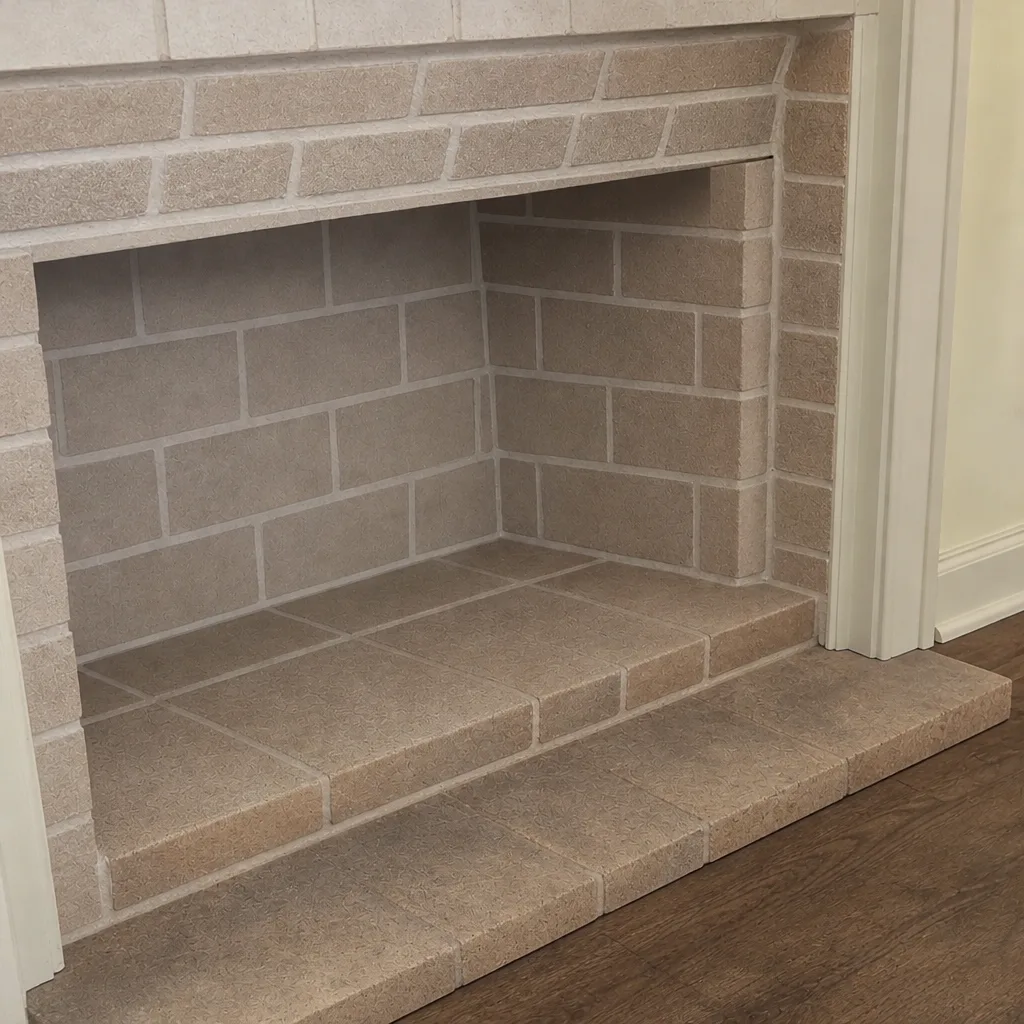 After
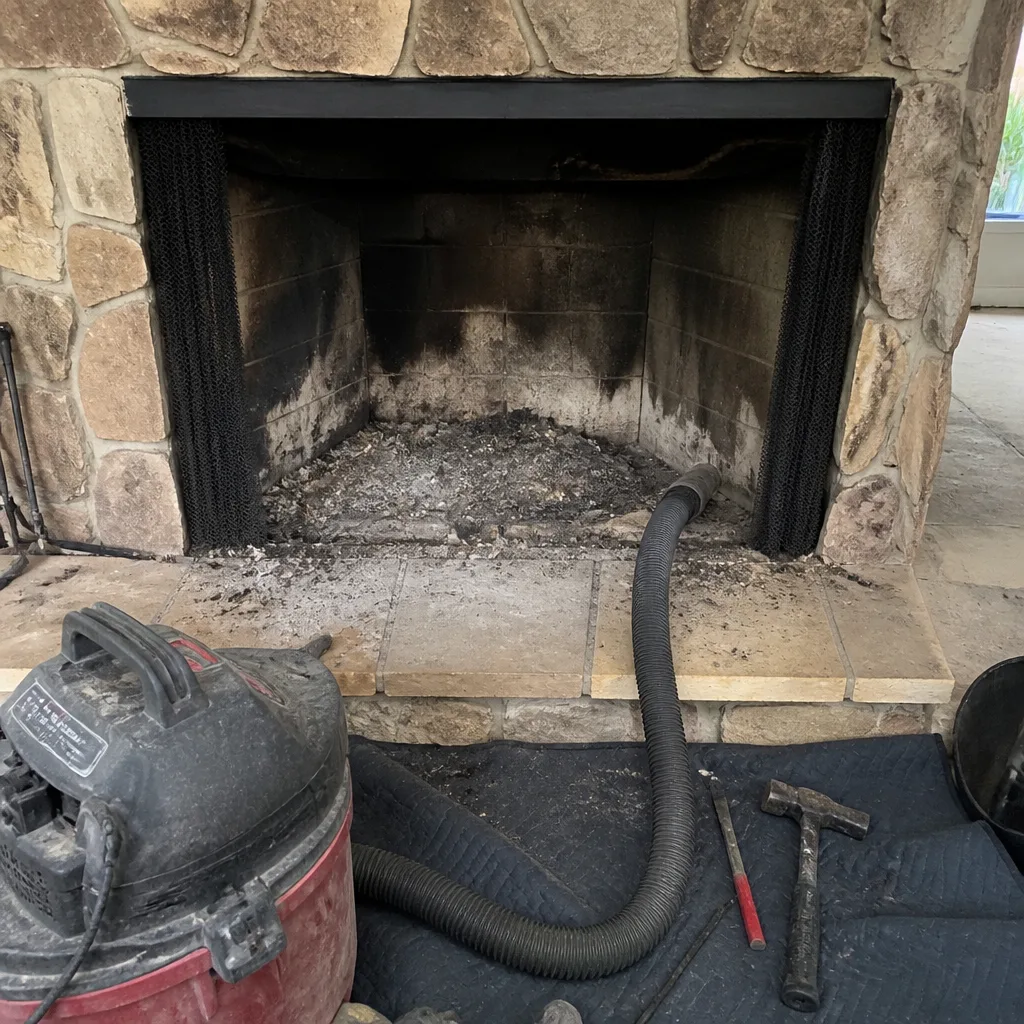 Before
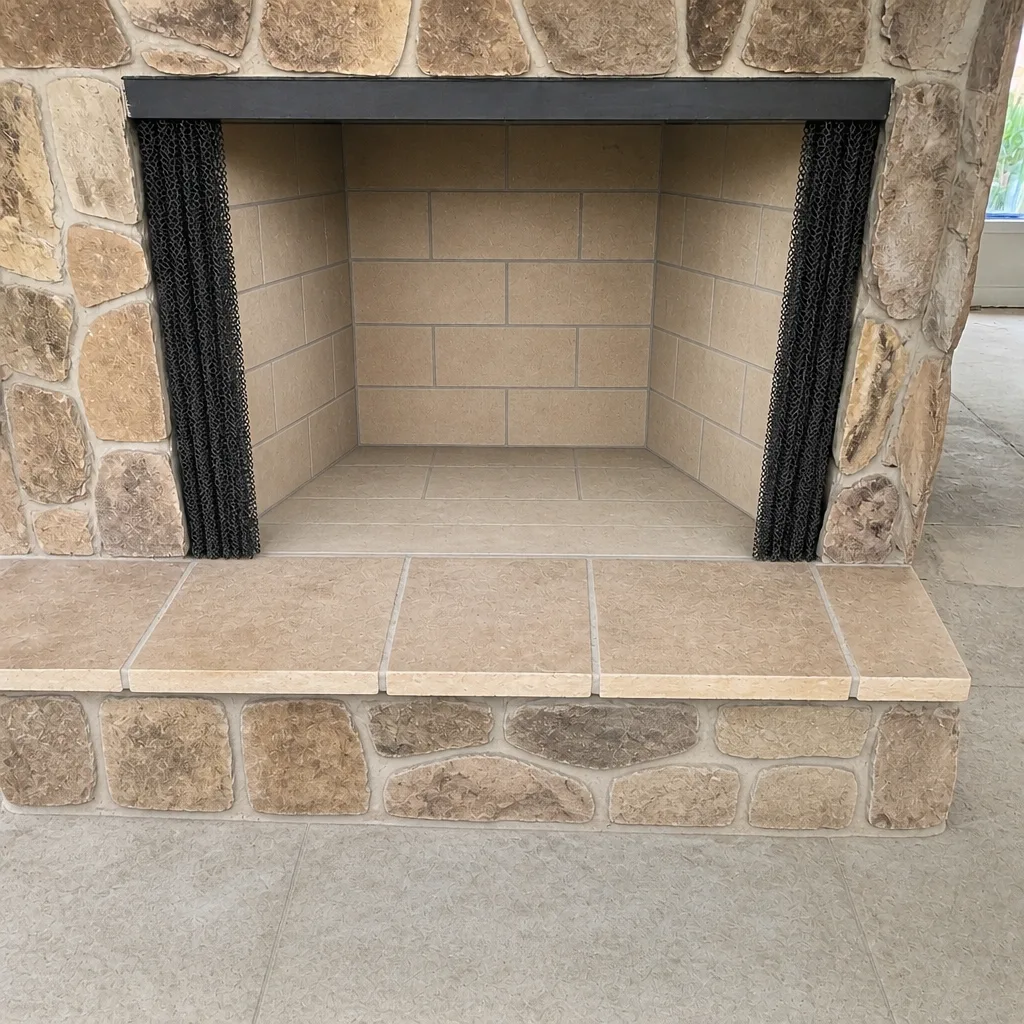 After
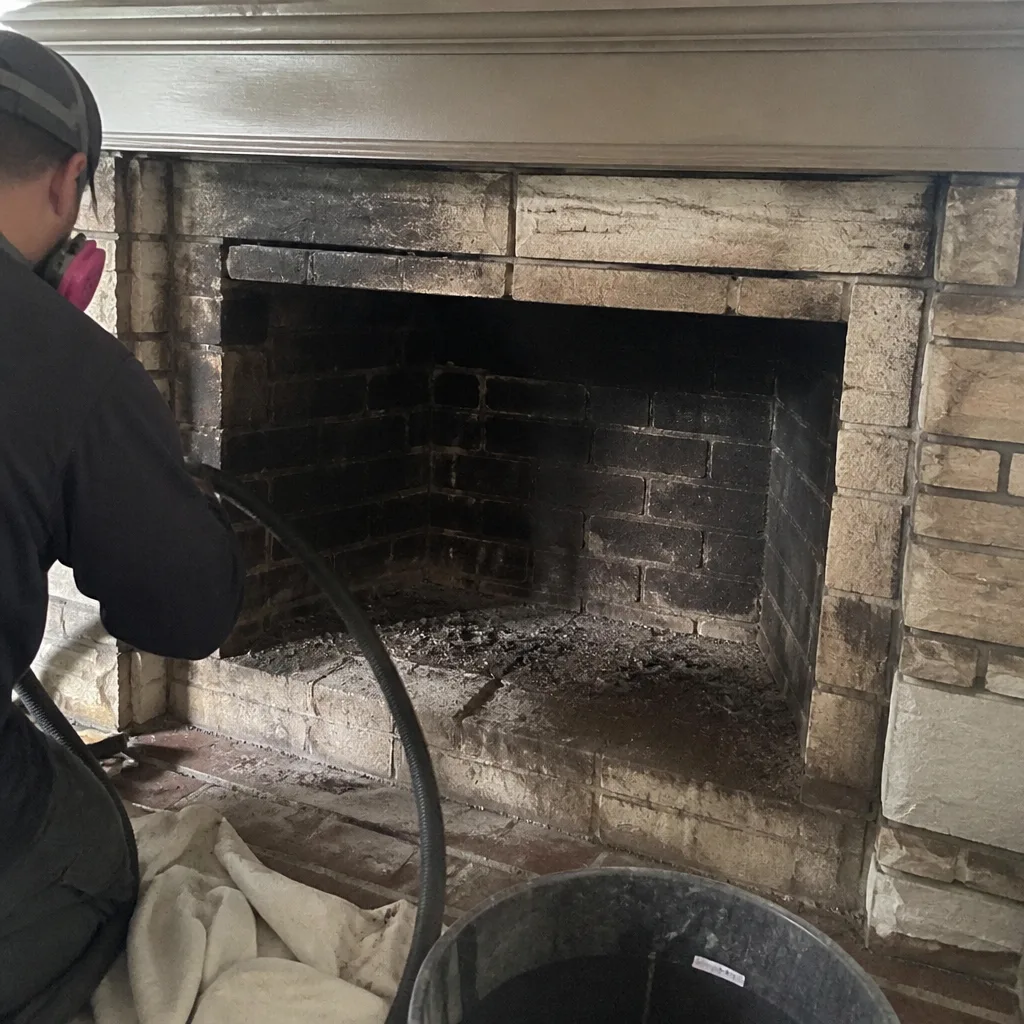 Before
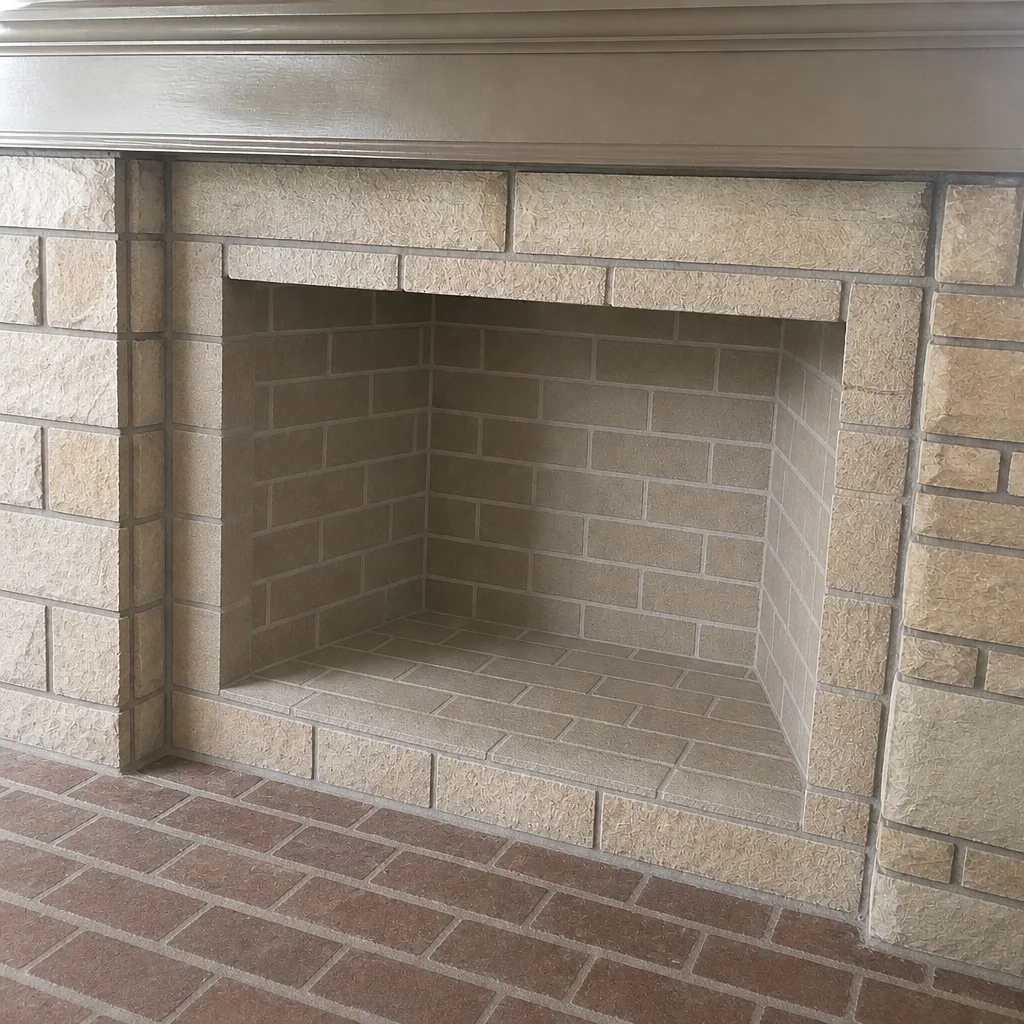 After
When to Call a Professional
Call a professional for chimney work whenever the answer involves a camera scan, a flue assessment, gas appliance servicing, or anything above the roofline. If you’re not sure whether your chimney has been inspected recently, that’s reason enough. If you’re noticing smoke in the room, a persistent smoky smell, visible cracks in the flue or crown, or a cap that’s gone missing, those are all cues to book a walk-through.
The safety cases are non-negotiable. Creosote fires and carbon monoxide exposure are not hypothetical hazards in a neglected chimney, and they’re the reason we recommend a trained professional for anything inside the flue or connected to the venting. There are no shortcuts here. Your local chimney professional handles the flue brush, the camera, the liner assessment, and any repair in one visit so nothing gets missed. Cypress Chimney Sweep Pros offers free estimates in Cypress, and the written estimate sets the final price. Call (877) 492-3411. We answer 24/7. Fast dispatch from 7am to 7pm, Sunday through Friday.
Frequently Asked Questions
Chimney cleaning in Cypress typically ranges from about $150 to $350 for a standard wood-burning fireplace sweep, depending on flue type, creosote level, and whether a camera scan is included. Gas fireplace servicing is often quoted separately because the work and safety checks are different. Call (877) 492-3411 for an exact quote; estimates are free.
Not necessarily, and that’s the honest answer. Some cracked or pitted flue tiles can be resurfaced with a HeatShield product rather than fully replaced, which changes the repair cost considerably. A camera scan is what determines which category you’re in. Nothing is recommended without footage you can see for yourself, and oftentimes the damage can safely wait. Call (877) 492-3411 for an exact quote; estimates are free.
A wood-burning chimney should typically be swept once a year during the burning season, or more often if you burn heavily. Gas fireplaces are generally serviced on the manufacturer’s schedule, which is also usually annual. If it’s been more than a year since your last cleaning, book one before burning season rather than after. Call (877) 492-3411 for an exact quote; estimates are free.
Creosote builds up, and at high levels it’s the fuel for a chimney fire. Flue tiles can develop cracks that go unnoticed, letting heat and gases reach the structure around the chimney. And a flue can become blocked with debris, forcing smoke and carbon monoxide back into the home. None of that is immediate, which is what makes skipping it easy. It’s also what makes catching it early inexpensive. Call (877) 492-3411 for an exact quote; estimates are free.
Gas fireplace servicing focuses on different components than wood-burning: the logs, burner, pilot assembly, and venting rather than the flue and firebox. It’s more targeted but also more delicate, and it involves a carbon monoxide safety check that a wood-burning sweep doesn’t. Many chimneys-only sweeps aren’t set up to service gas systems, which is one reason Cypress homeowners get quoted such different prices. Call (877) 492-3411 for an exact quote; estimates are free.
A recent cleaning with a written report makes any inspection smoother, and it’s something buyers and their inspectors ask about. If it’s been a while, a sweep and a camera scan gives you documentation of the chimney’s actual condition instead of a question mark. Call (877) 492-3411 for an exact quote; estimates are free.
The Bottom Line
Chimney cleaning prices in Cypress vary by a factor of five because the services behind them vary that much. The $89 sweep and the $450 sweep are often selling entirely different scopes: firebox only versus firebox, smoke chamber, flue scan, cap, crown, and a written report. The way to compare quotes is to compare the line items inside them, not the totals. Price follows scope. Scope follows what’s actually being inspected. A camera scan shows you what’s real, and a thorough quote explains what’s included before you schedule. The work is done by the team that inspects and the team that repairs, and the parts come from professional-grade chimney manufacturers, not generic substitutes. Call (877) 492-3411. We answer 24/7. Fast dispatch from 7am to 7pm, Sunday through Friday. Your entire chimney system, cleaned, inspected, and protected.
Written by the team at Cypress Chimney Sweep Pros.