
Last updated November 25, 2026
 Sweep & inspection
 Caps & crowns
 Flue relining
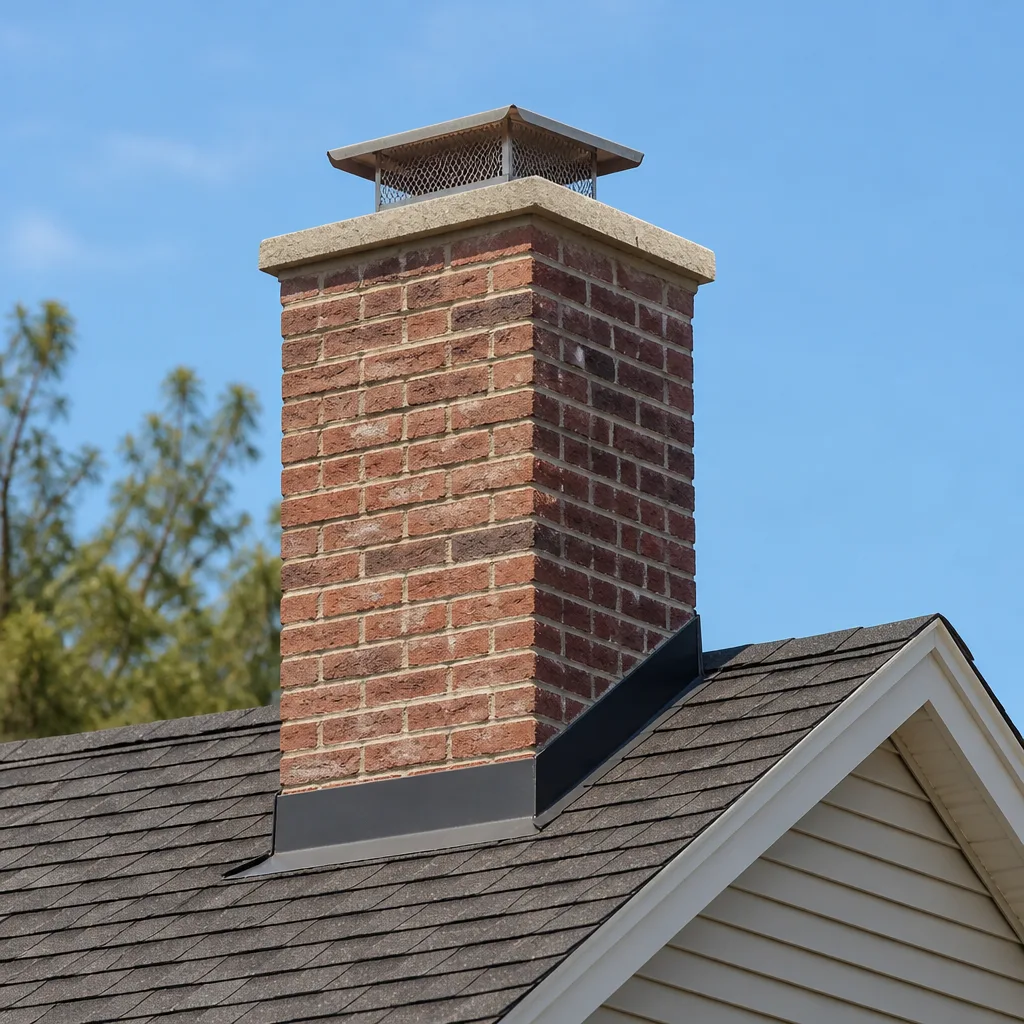 Masonry repair
 Gas fireplace service
Level 1 sweep and inspection to the NFPA 211 annual standard - flue, crown, cap, and flashing checked and photographed
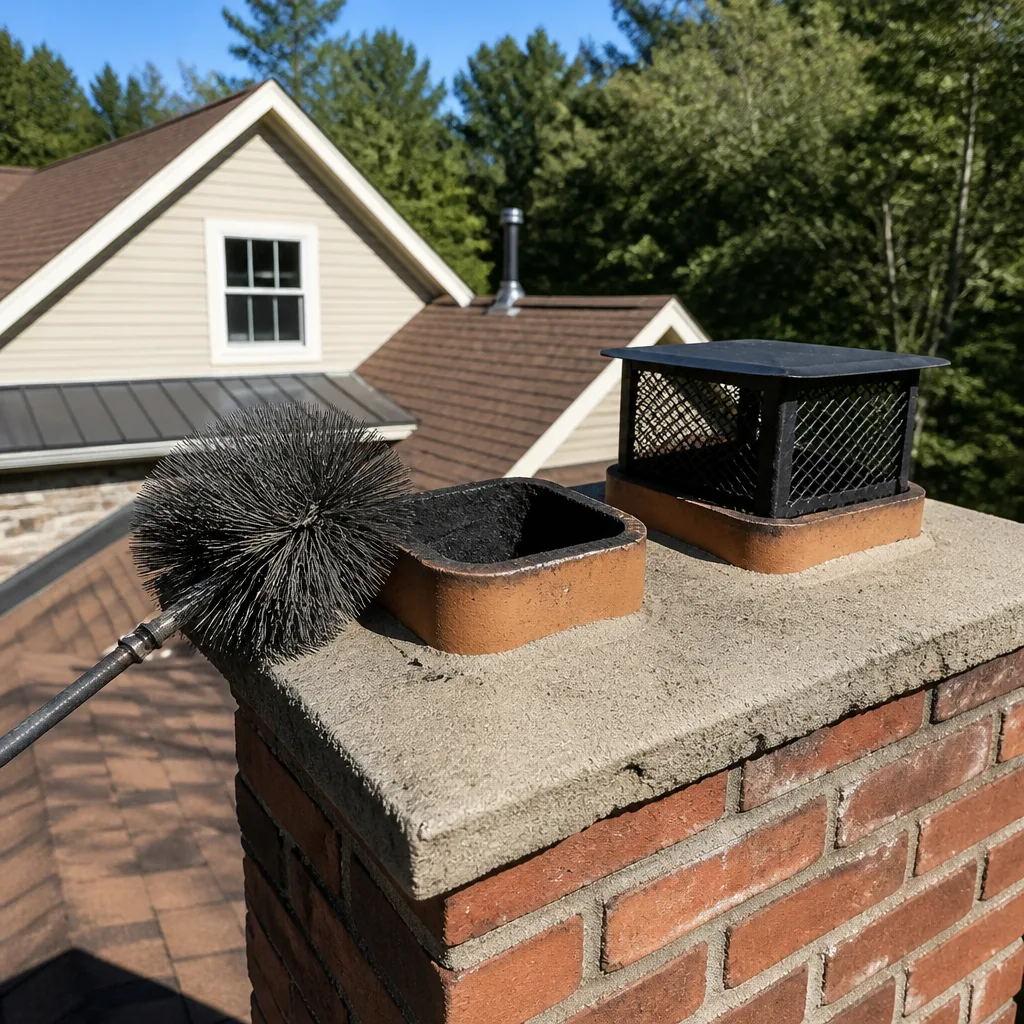
Chimney sweep logs do not sweep chimneys. They loosen some creosote - which then falls where a brush and vacuum still have to collect it.
Seasonal Chimney Cleaning Care for Cypress: Year-Round Homeowner’s Guide
Here’s the paradox of owning a fireplace in Cypress: the milder the climate, the easier it is to neglect the chimney. Because you light a fire a handful of times each winter instead of every cold night, problems develop slowly and quietly in a flue nobody is watching. From July through October your chimney sits closed, forgotten, and exposed to dry heat and dust while creosote residue and cracked mortar go untouched. This guide walks through what a full year of chimney care actually looks like here – what happens inside an idle flue in summer, the exact pre-season sequence before your first fire, and how to use the off-season to get repairs done without urgency or guesswork.
Quick Answer
Year-round chimney care in Cypress means treating the chimney as a four-season system, not a one-time fall sweep. The core rhythm is: a pre-season inspection, cleaning, and draft test before your first fire, cap and crown checks after Santa Ana wind events, a light spring review to catch winter wear, and off-season repairs done while demand is low. Skipping the off-season is where most problems start, because an unused flue deteriorates just as surely as a used one.
Styles & brands we work with
- Sweep & inspection
- Caps & crowns
- Flue relining
- Masonry repair
- Gas fireplace service
Table of Contents
- Why a Mild Climate Makes Chimney Neglect Worse, Not Better
- What Happens Inside an Unused Flue During Cypress’s Dry Summer
- The October Pre-Season Protocol: Inspection, Cleaning, and Testing
- How Santa Ana Winds Test Your Cap and Crown
- Post-Season Spring Tasks That Protect the Chimney
- Using the Off-Season for Non-Urgent Repairs
- A Month-by-Month Care Calendar for Cypress Homeowners
- Common Mistakes to Avoid
Why a Mild Climate Makes Chimney Neglect Worse, Not Better
In a cold climate, the fireplace runs constantly, which forces homeowners to notice how the chimney is behaving. They see smoke spill, they smell creosote, they hear a draft. In Cypress the fire might burn a dozen evenings a season, so the chimney never demands attention. That quiet is not a sign of health. It’s simply an absence of feedback.
The Mediterranean pattern here – long dry summers, a short rainy stretch, and warm dry winds pushing through in the cooler months – puts your chimney through a specific cycle of expansion, drying, and stress that most chimney guidance written for snowy regions doesn’t address. There’s no freeze-thaw here, but there is a lot of seasonal movement of masonry as it heats, cools, and dries.
Here’s what actually happens to a neglected chimney in Cypress:
- Creosote sits undisturbed for months. Residue from last winter’s fires stays on the flue walls through the summer, where it hardens and glazes over time, making it harder to remove in the fall.
- Mortar dries and cracks. Repeated heating and cooling, plus dry summer air, pulls moisture from the mortar joints in the crown and flue, opening hairline cracks that widen over seasons.
- Small problems go unseen. A cracked crown or a loose cap looks fine from the ground. Without an annual look, it stays a small problem until rain and wind turn it into a bigger one.
- Animals move in. An open or damaged flue is prime real estate for birds and rodents during the long dry season.
The takeaway is simple: your chimney doesn’t need less care because you burn less. It needs a different schedule of care, one built around the seasonal pressures of Cypress rather than a generic “sweep it once a year” rule.
When you’re ready to put that schedule into action, a chimney sweep is usually the first visit of the year, and it’s the one that tells you what the rest of the year needs to look like.
What Happens Inside an Unused Flue During Cypress’s Dry Summer
An idle flue in Cypress is not an empty, harmless tube. It’s a vertical column of space connected to the outside, and nature treats it as shelter. The dry months are when the quiet work of deterioration happens.
Pest nesting
Birds, squirrels, and rodents look for exactly what a chimney provides: a dark, protected cavity off the ground. During summer, a missing or damaged cap turns your flue into a nest site. The nests themselves are a problem, but so is what they leave behind. Twigs, leaves, and nesting material become fuel, and they restrict the flue at the precise moment you need it to vent cleanly. If you find a nest, don’t try to burn it out – have it removed during the pre-season sweep.
Mortar desiccation
The mortar that holds your masonry together needs a small, steady moisture content to stay flexible and intact. Long dry summers pull that moisture out, and repeated heating and cooling of the chimney during the winter flexes joints that have dried out. Over a few seasons, joints crack and the crown starts to show fine fissures. This is exactly the kind of slow change nobody sees from the ground.
Draft-reversal conditions
On hot, still summer days, the air outside can be warmer than the air inside the flue, which reverses the normal upward draft. That’s mostly harmless when no fire is lit, but it can push musty, smoky smells into the house and hint at a flue that will struggle to establish a draft when you do light a fire in the fall. If you notice a persistent smoky smell in the house during summer, that’s worth flagging at your pre-season inspection.
Blockages and debris
Summer storms and dry wind events drop leaves, twigs, and dust down an uncapped flue. By the time you’re ready to light that first fire, the flue may be partially blocked. We’ve seen this caught during an inspection countless times – the homeowner had no idea, because nothing looked wrong from the hearth.
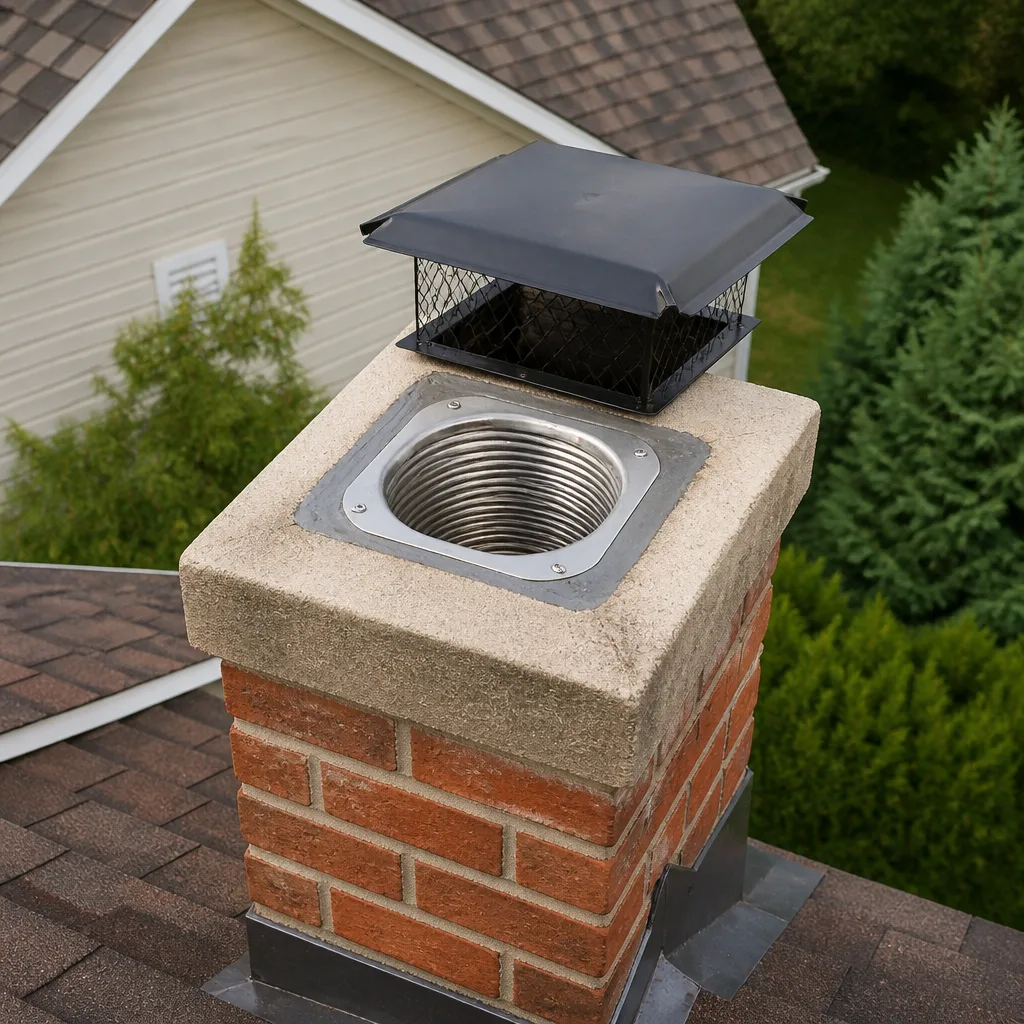
A properly fitted cap is the single best defense against all of this. When we install or replace caps, we use purpose-built chimney hardware from brands like Famco and Gelco rather than generic building-supply parts, because a cap needs to vent correctly, not just cover the hole.
The October Pre-Season Protocol: Inspection, Cleaning, and Testing
Most homeowners think “get it swept” is the whole task. It isn’t. A pre-season visit that only cleans is a missed opportunity. The right sequence before your first fire of the season looks like this.
- Visual exterior inspection first. Before anyone looks up the flue, we check the crown, the cap, the flashing, and the masonry from outside. A crown crack or a loose cap is a weather problem, and weather problems need to be solved before the flue is even useful.
- Interior inspection of the firebox and damper. Damper operation, firebox condition, and signs of moisture or staining tell us whether the system has been holding up over the summer.
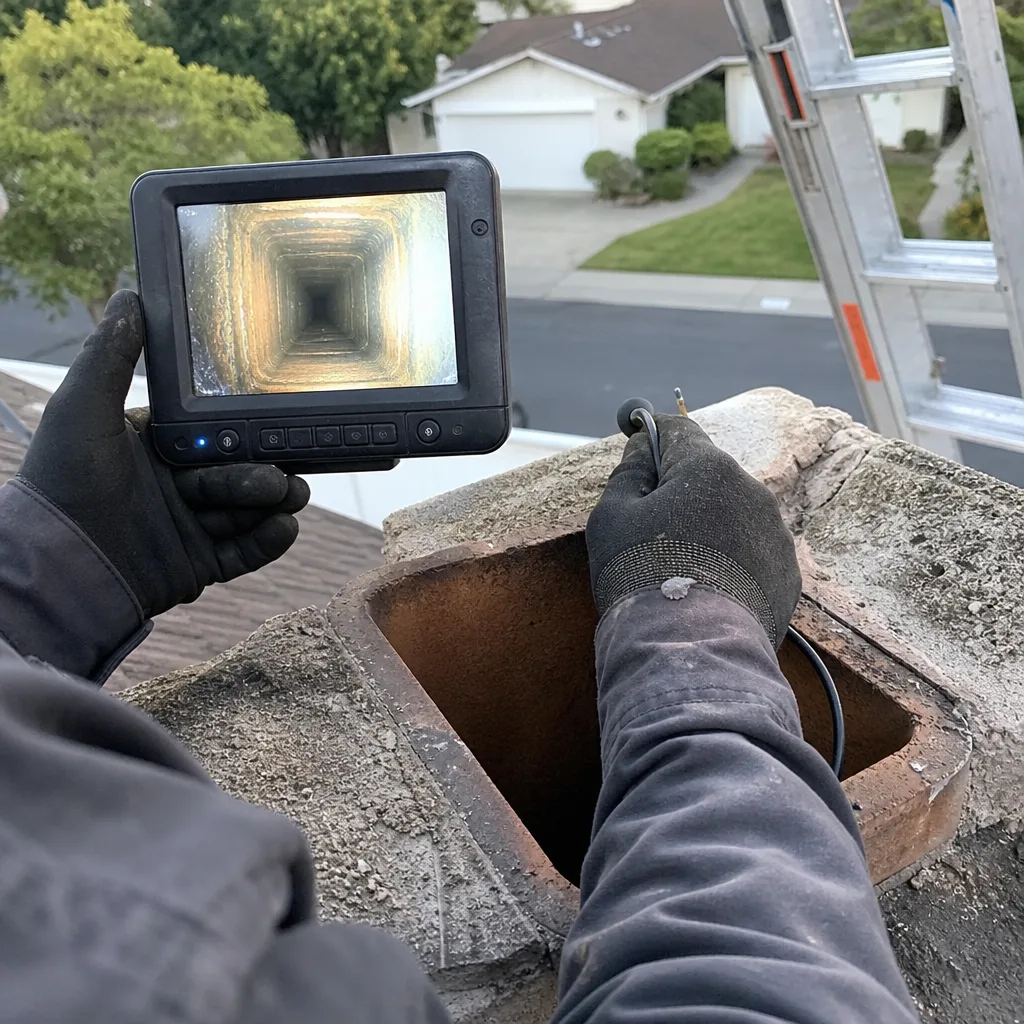
- Camera inspection of the flue. A camera run up the flue shows the actual condition of the liner, reveals any cracking, and exposes blockages or pest material you’d never spot otherwise. This step is what separates a real inspection from a glance.
- Sweep the flue. Now – and only now – the flue gets cleaned, so we’re removing what’s actually there rather than guessing at it.
- Draft test. A smoke or draft test confirms the flue is pulling correctly and that the chimney is ready to vent a fire safely. This is where reversed-draft or blockage problems get caught before they become a house full of smoke.
- Written report and photo evidence. You see what we see, along with clear recommendations and a written estimate for anything that needs attention.
That order matters. Cleaning before inspection can hide problems. Inspection before cleaning catches them while they’re still visible. And the draft test is the step homeowners most often don’t realize they’re missing, because it’s the real proof that the chimney is ready to use.
If your inspection turns up damaged liner components, the fix isn’t a patch – it’s a proper liner solution. We work with professional-grade parts from manufacturers like DuraFlex and Olympia Chimney, and where the flue needs resurfacing rather than replacement, a HeatShield application can restore structural integrity without tearing into the masonry. That’s a capability most sweep-only companies don’t offer.
The tricky part for homeowners is that by the time October rolls around, everyone else in Cypress has the same idea. Scheduling early in the fall, or in the late summer, gets you a spot and gives you time to complete any repairs before you need the fireplace. If a problem does turn up and you need a chimney repair done before the season, you’ll want a few weeks of buffer.
How Santa Ana Winds Test Your Cap and Crown
The dry wind events that push through Southern California from roughly October to February are the real-world stress test for your chimney’s weather protection. You don’t need a special tool to find out your cap is loose – a Santa Ana will show you, usually by rattling it, lifting it, or blowing debris into the flue.
The reason these winds matter so much for chimney care is that they attack the two components that protect everything beneath them: the cap and the crown.
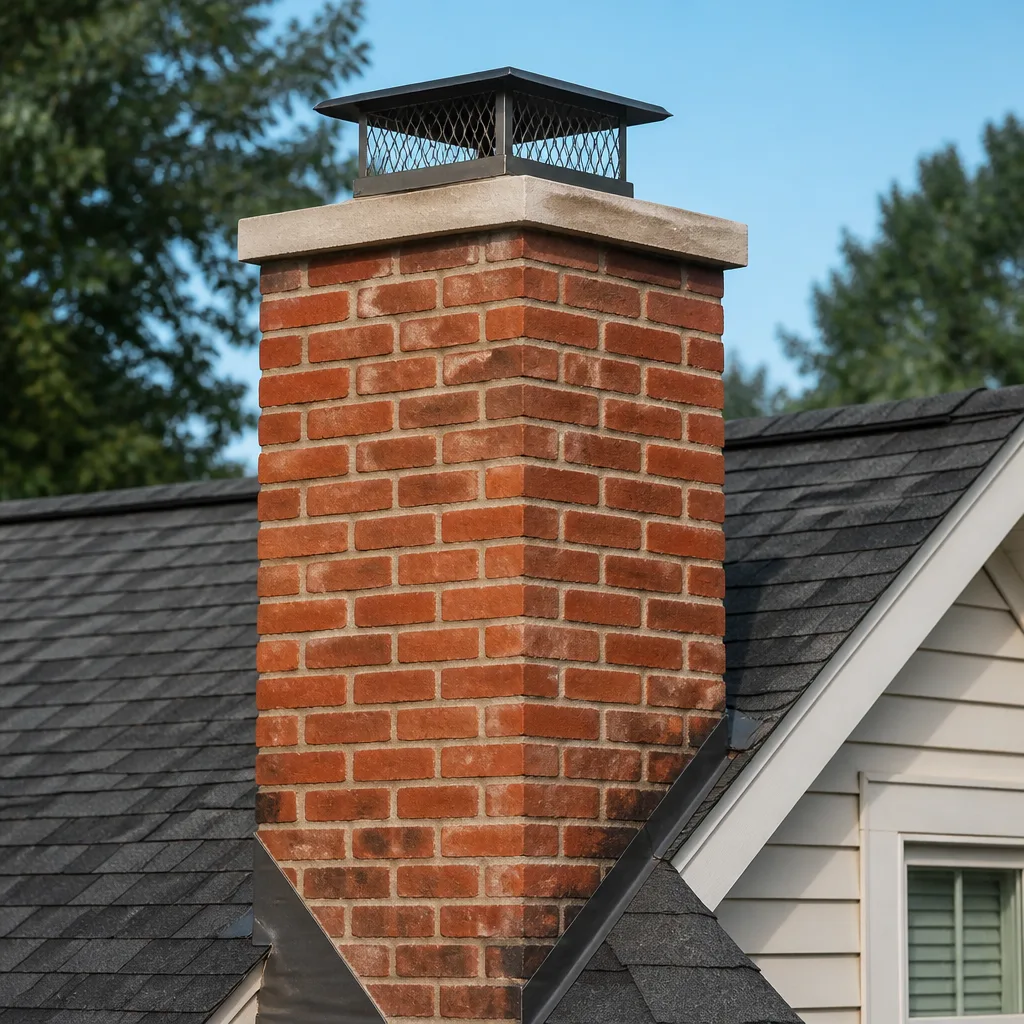
- The cap sits on top and does double duty – it vents smoke and it blocks wind from pushing down the flue while keeping rain, debris, and animals out. A cap that’s rattling, dented, or missing is exposed immediately under wind load.
- The crown is the concrete or masonry top surface that sheds water away from the chimney body. Wind-driven rain and grit can open cracks in a crown that already has hairline fractures, and those cracks let water into the masonry below.
After a strong Santa Ana, it’s worth looking at the top of the chimney from the ground for obvious damage – a shifted cap, visible debris at the base of the chimney, or cracks you can see. What you can’t see is why working with a chimney specialist matters: cap and crown installation is a repair, not a cosmetic add-on, and it should use dedicated chimney-supply hardware. Copperfield crowns and caps, for example, are manufactured specifically for this job rather than adapted from generic building materials.
That’s why your annual care schedule should include a post-wind check of the top of the system, not just a pre-season sweep. Wind events happen throughout the cool season, and the cap is the part most likely to be quietly compromised by the time winter fires begin.
Post-Season Spring Tasks That Protect the Chimney Through the Rainy Stretch
Spring is the transition point. The fire season is over, but the chimney isn’t done with weather. The milder rain season is exactly when moisture finds every weakness in the top of the system. Spring care isn’t a full sweep – it’s a targeted review to make sure the chimney is sealed and protected during the wet stretch.
Here’s what a spring review covers:
- Crown check with fresh eyes. After a winter of heating and cooling, look for new cracks in the crown, especially around the flue opening.
- Cap and screen inspection. Confirm the cap is secure and the mesh screen is intact. A screen torn during winter wind allows pests to move in during summer.
- Flashing and masonry joints. Check the seal at the roof line and repair any open joints before the rain season does more damage.
- Damper and firebox inspection. A damper that no longer closes fully wastes heat in winter and lets air (and moisture) into the flue in summer. If it’s sticking, note it for an off-season upgrade.
- Light sealing and cleaning touch-up. Small gestures – sealing the crown, tightening hardware – now save larger repairs later.
The reason this matters more in Cypress than you might expect is that most of the risk comes from the top down. When the chimney is well-protected at the cap and crown, the rest of the system tends to stay stable through the rainy stretch. It’s the neglected top of the chimney that lets water in.
If your spring review shows cracks or a failing cap, the fix can usually wait until the off-season, which is the smartest time to schedule it. Your fireplace repair work – damper upgrades, firebox touch-ups – often fits this window too.
Using the Off-Season for Non-Urgent Repairs
Here’s the practical side of year-round care: not every repair needs to happen in October. In fact, the summer and early fall months, before the seasonal rush, are the best time to handle the repairs you already know about. You get more flexibility in scheduling, and the work happens with no pressure to have it done before the first fire.
The repairs that belong in the off-season:
- Crown coating and resurfacing. A crown with hairline cracks can often be sealed and protected rather than rebuilt, and this is ideal off-season work.
- Cap replacement or upgrade. If you’ve been putting up with a rattling or undersized cap, replace it in the off-season. It’s a straightforward install with the right hardware.
- Damper upgrades. A damaged or sticking damper can be upgraded while you’re not using the fireplace, so you’re not waiting on parts or a slot in the calendar.
- Liner resurfacing or restoration. A HeatShield application addresses structural flue issues without a full liner replacement, and it’s a natural fit for the off-season.
We handle all five service categories – sweeping, inspection, fireplace repair, chimney repair, and cap and crown work – so the team that inspects your chimney is the same team that repairs it. That matters in the off-season, because there’s no scramble to coordinate between an inspection-only company and a separate repair crew. We find the problem, and then we fix it.
The single biggest advantage of off-season scheduling, though, is that you control the timing. You’re not calling because smoke is backing into the house. You’re calling because the calendar says it’s the right moment to address something you already know about.
A Month-by-Month Care Calendar for Cypress Homeowners
Here’s the whole year at a glance. This is the practical schedule we recommend for a Cypress home with a working fireplace and chimney.
Late summer: Book your pre-season inspection and sweep before the fall rush. This is when you want to find and fix any liner, cap, or crown problems while there’s time to do the work.
Early fall: Complete the full October protocol – inspection, cleaning, draft test. Confirm the cap is secure and the damper operates.
Late fall through winter: Use the fireplace. After any strong wind event, check the top of the chimney for cap or crown damage, and note any smoking or draft issues. If anything seems off, call it in rather than waiting.
Early spring: Do the post-season review – crown, cap, screen, flashing, damper. This is a check, not a sweep.
Late spring and summer: Complete non-urgent repairs – crown coating, cap replacement, damper upgrade, liner resurfacing. This is the quiet season for chimney work, and the best window for planned repairs.
Layered over all of this: a chimney professional should look at the system – inside and out – at least once a year. The National Fire Protection Association recommends an annual inspection, and a sweep whenever there’s a buildup of creosote or any obstruction. In a mild climate like Cypress, that annual inspection is more valuable, not less, because you’re not going to notice problems on your own the way a cold-climate homeowner might.
When you want the whole system handled – from the firebox to the cap – a single specialist is the cleanest path. That’s the approach at Cypress Chimney Sweep Pros, and it’s why we can build a year-round schedule around your home instead of handing you off to a separate contractor each time something needs repair.
Common Mistakes to Avoid
We’ve seen how seasonal chimney problems get started, and they usually begin with the same few habits. Here’s what to avoid in Cypress specifically.
- Treating “sweep it once a year” as the whole job. A sweep cleans the flue, but it doesn’t check the crown, test the draft, or verify the cap. Year-round care means the whole system gets looked at, not just the tube.
- Leaving the chimney closed and forgotten all summer. The long dry season is exactly when pests move in and mortar dries out. A closed damper and an uncapped flue are the conditions that let a small problem grow.
- Skipping the pre-season draft test. A chimney can look clean and still draw poorly. The draft test is what confirms it will vent a fire without pushing smoke into the house.
- Assuming a mild winter means no creosote. A handful of fires a season can still leave residue that hardens over the summer months. Yearly inspection catches it before it becomes glaze.
- Ignoring the cap after a wind event. Santa Ana winds stress-test your cap in real time. If it’s rattling or damaged, it’s not protecting the flue, and the fix is small if you act.
- Doing repairs at the last minute in October. The busiest month of the year is not the time to discover you need a new cap or a resurfaced liner. Off-season repairs are easier to schedule and gentler on the calendar.
- Hiring an inspection-only company with no repair capability. If the inspection finds something, you don’t want to be left scrabbling to find a separate crew. Single-contractor accountability keeps the work moving.
See the difference
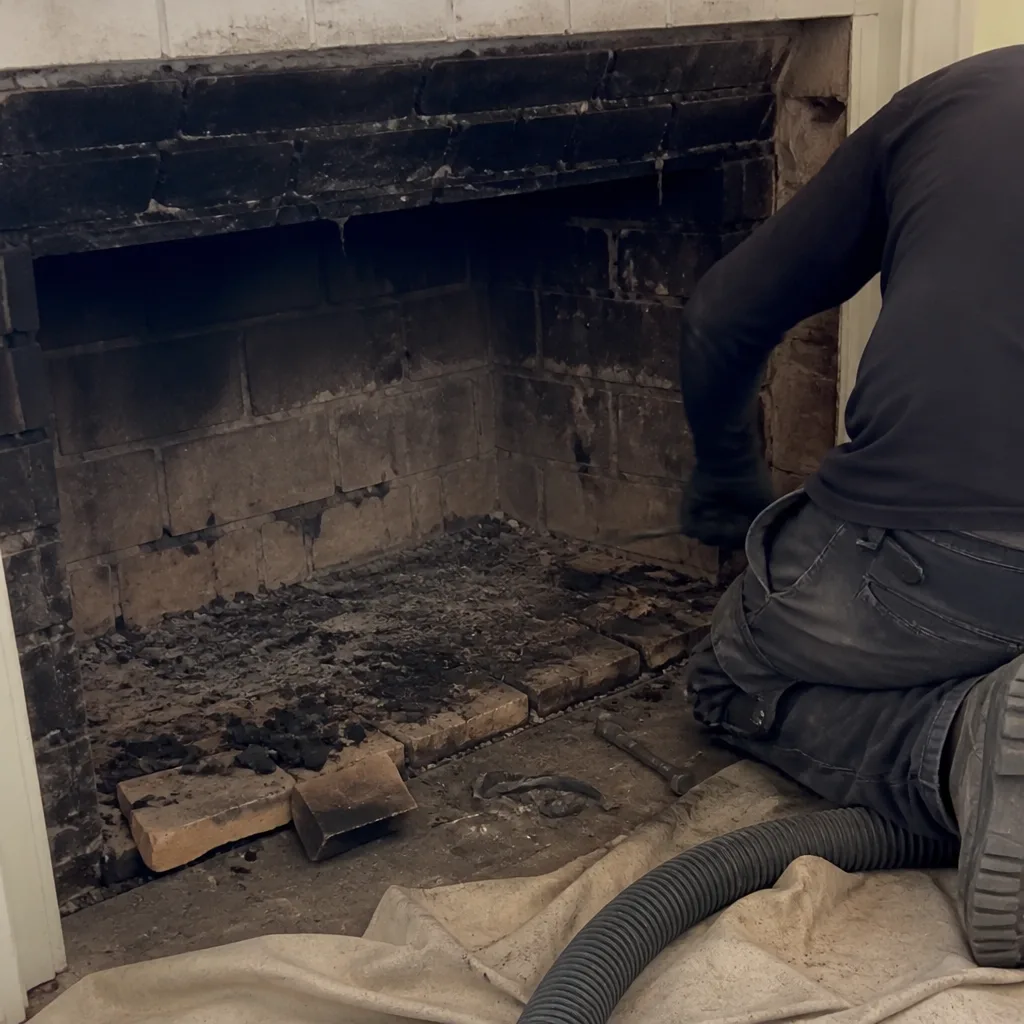 Before
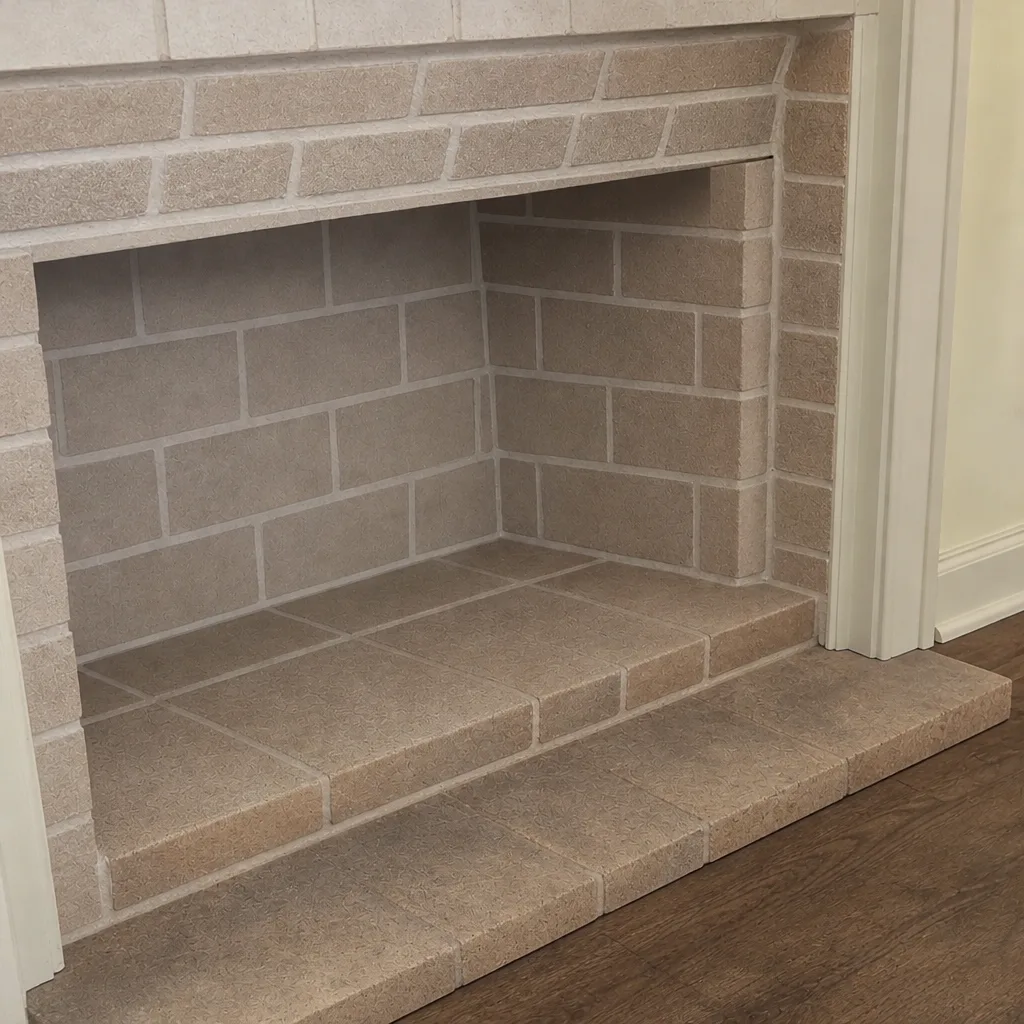 After
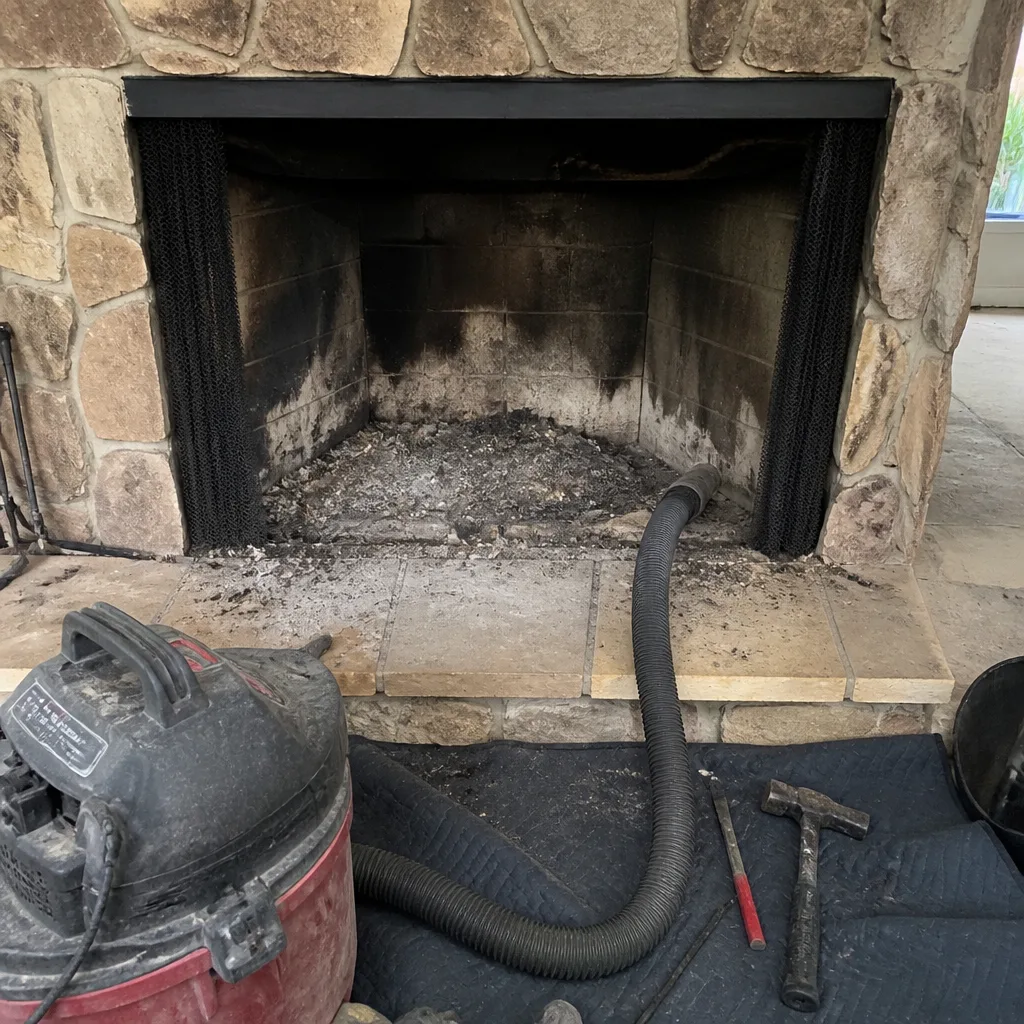 Before
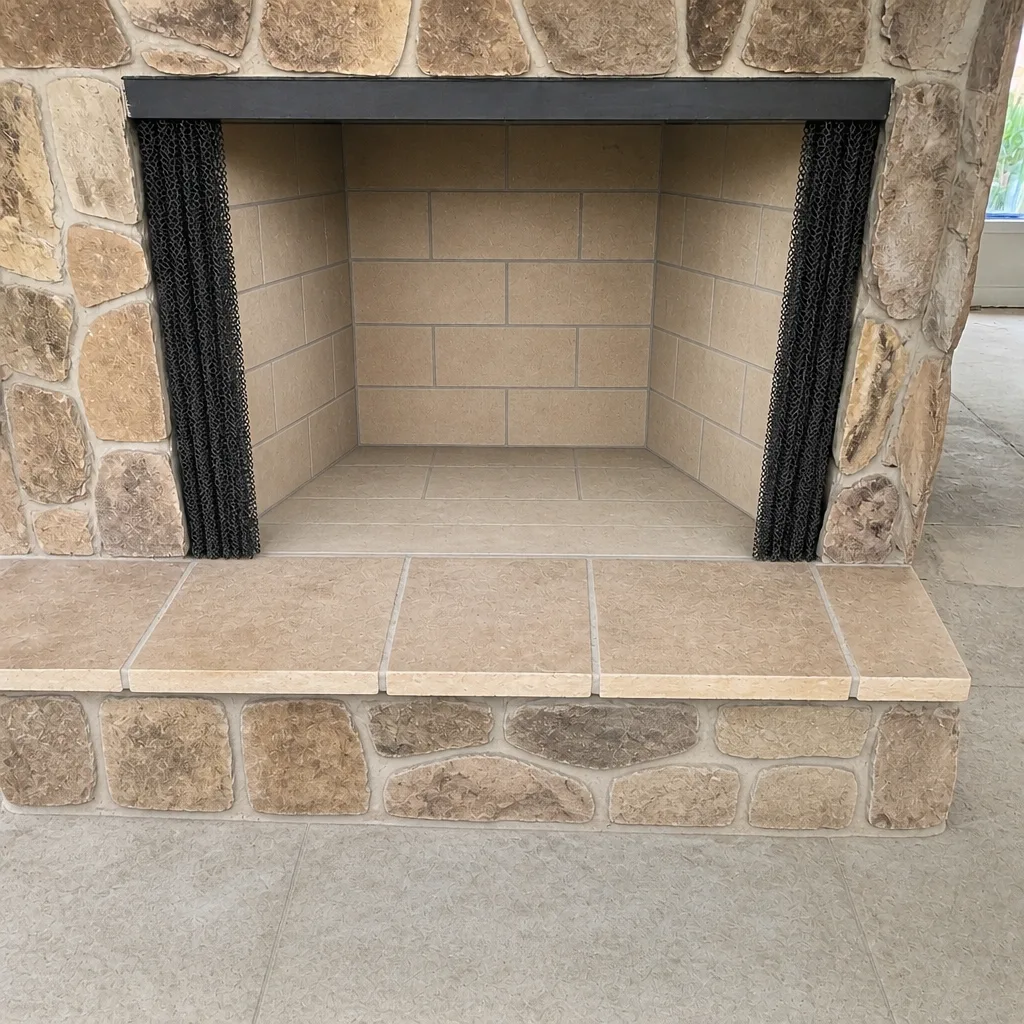 After
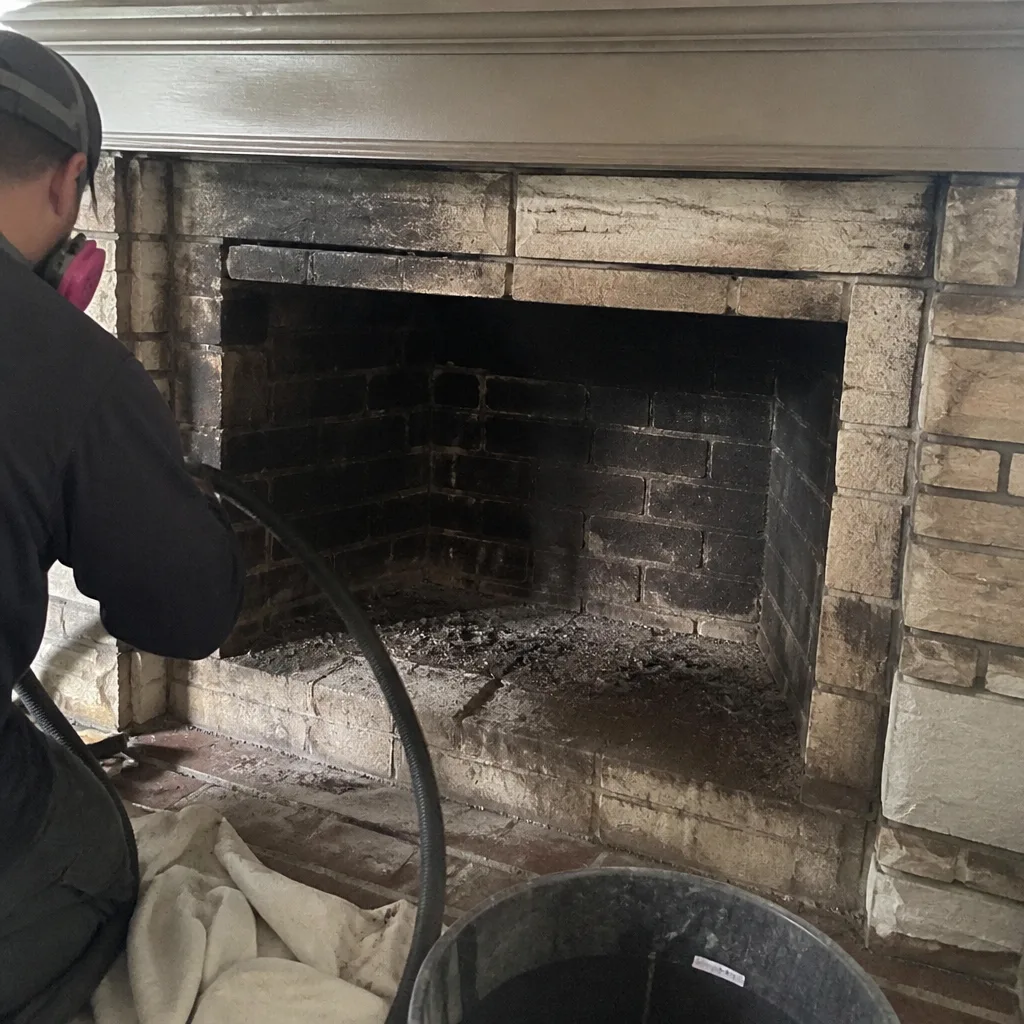 Before
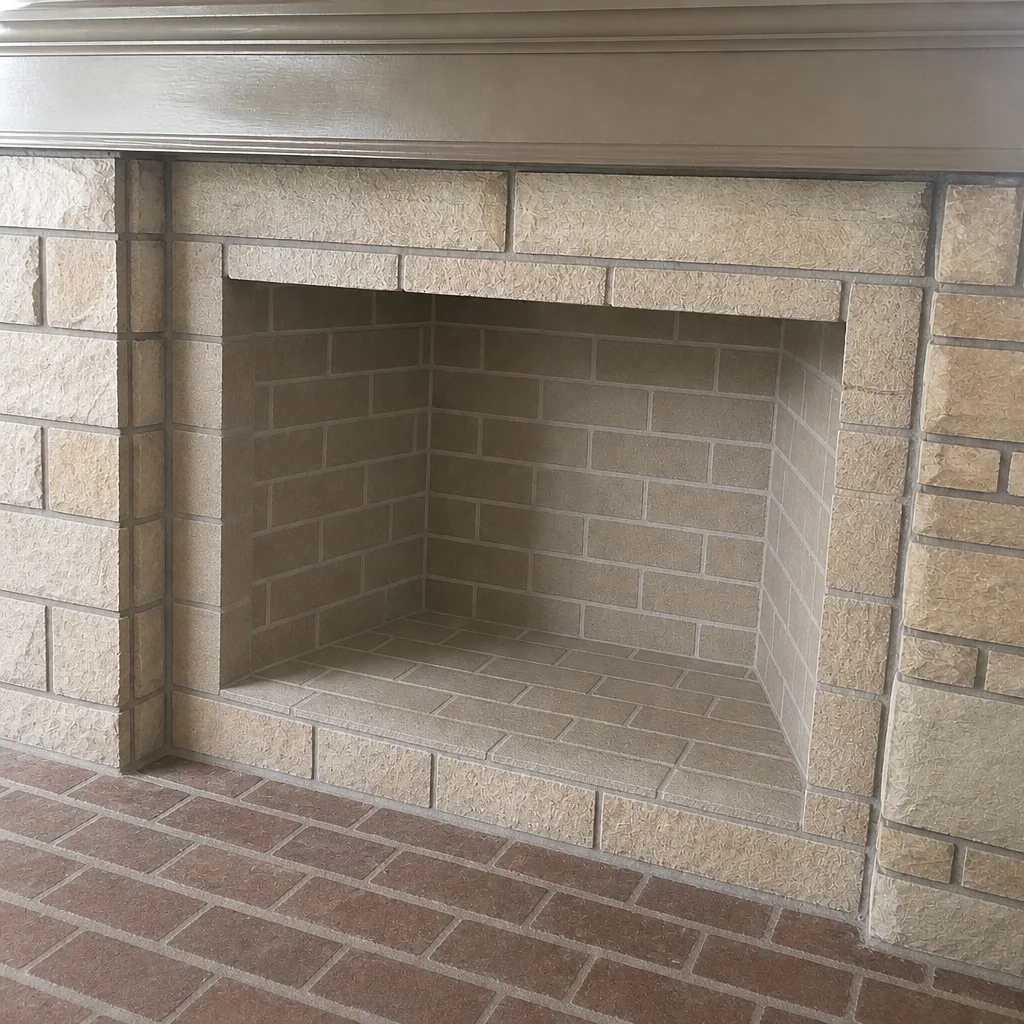 After
When to Call a Professional
Some chimney work should always be handled by a trained professional – certainly anything involving the top of the system, and anything involving structural components or a camera inspection. Call us when:
- You can’t remember the last time the chimney was inspected or swept.
- You’ve noticed a smoky smell in the house during warm months.
- A wind event has rattled or damaged your cap.
- You see cracks in the crown or staining on the masonry.
- The damper sticks or no longer closes fully.
- Smoke backs into the room when you light a fire.
- You want to schedule a planned repair during the off-season.
If any of these sound familiar, don’t wait for the fall rush. Call the experts at Cypress Chimney Sweep Pros for a free estimate in Cypress – call (877) 492-3411. We’ll schedule a pre-season inspection or an off-season repair, show you what we find with photos, and give you a written estimate before any work begins. Our technicians have up to 10 years of experience working with the full chimney system, from the firebox to the cap.
If your fireplace itself needs attention – the firebox, the damper, the surround – our fireplace repair service covers that side of the system, so a single call can address everything the season turns up.
Frequently Asked Questions
Have the chimney inspected at least once a year, ideally before the first fire of the season, and swept whenever the flue has creosote buildup or any obstruction. Even if you only burn a few fires a winter, the annual inspection matters because the long dry season is when a chimney quietly deteriorates. Call (877) 492-3411 to book a pre-season visit.
No – it typically needs more careful scheduling, not less. You won’t get the constant feedback a cold-climate fireplace gives you, so problems develop without you noticing. That’s why year-round care, with a spring review and off-season repairs, fits Cypress homes better than a one-time fall sweep.
A sweep cleans the flue, while an inspection evaluates the entire system – the firebox, damper, flue, liner, crown, and cap. A good pre-season visit includes both, plus a draft test. If you want to know whether your chimney is safe to light, you need the inspection, not just the sweep.
No. Even occasional use leaves residue that hardens over the summer, and the long dry season is when debris and pest material collect. Cleaning removes what’s there rather than letting it sit for months. Call (877) 492-3411 for an exact quote – estimates are free.
Look at the top of the chimney from the ground for a rattling or shifted cap, visible cracks, or debris at the base – and call for an inspection if anything looks off. Wind events stress-test the cap and crown, which protect everything below them. Getting it checked after the season is part of a year-round care routine.
It’s not about price – it’s about scheduling. The off-season gives you more flexibility to have repairs done without pressure, and you can address crown, cap, or damper work before the fall rush. The written estimate sets the price, and the estimate itself is free. Call (877) 492-3411 to schedule.
The Bottom Line
In Cypress, the fireplace may be a small part of your winter, but the chimney is a year-round system. The long dry summer is when pests move in and mortar dries out. Santa Ana winds test your cap and crown. The mild rain season finds every crack in the top of the system. And off-season months are your chance to do repairs on your own terms. A simple rhythm – pre-season inspection and draft test, post-wind checks, a spring review, and off-season repairs – keeps the whole system safe from the firebox to the cap. One specialist, one schedule, and no scramble in October.
Call (877) 492-3411. We answer 24/7. Fast dispatch from 7am to 7pm, Sunday through Friday. Estimates are free, and the written estimate sets the final price.
Written by the team at Cypress Chimney Sweep Pros.